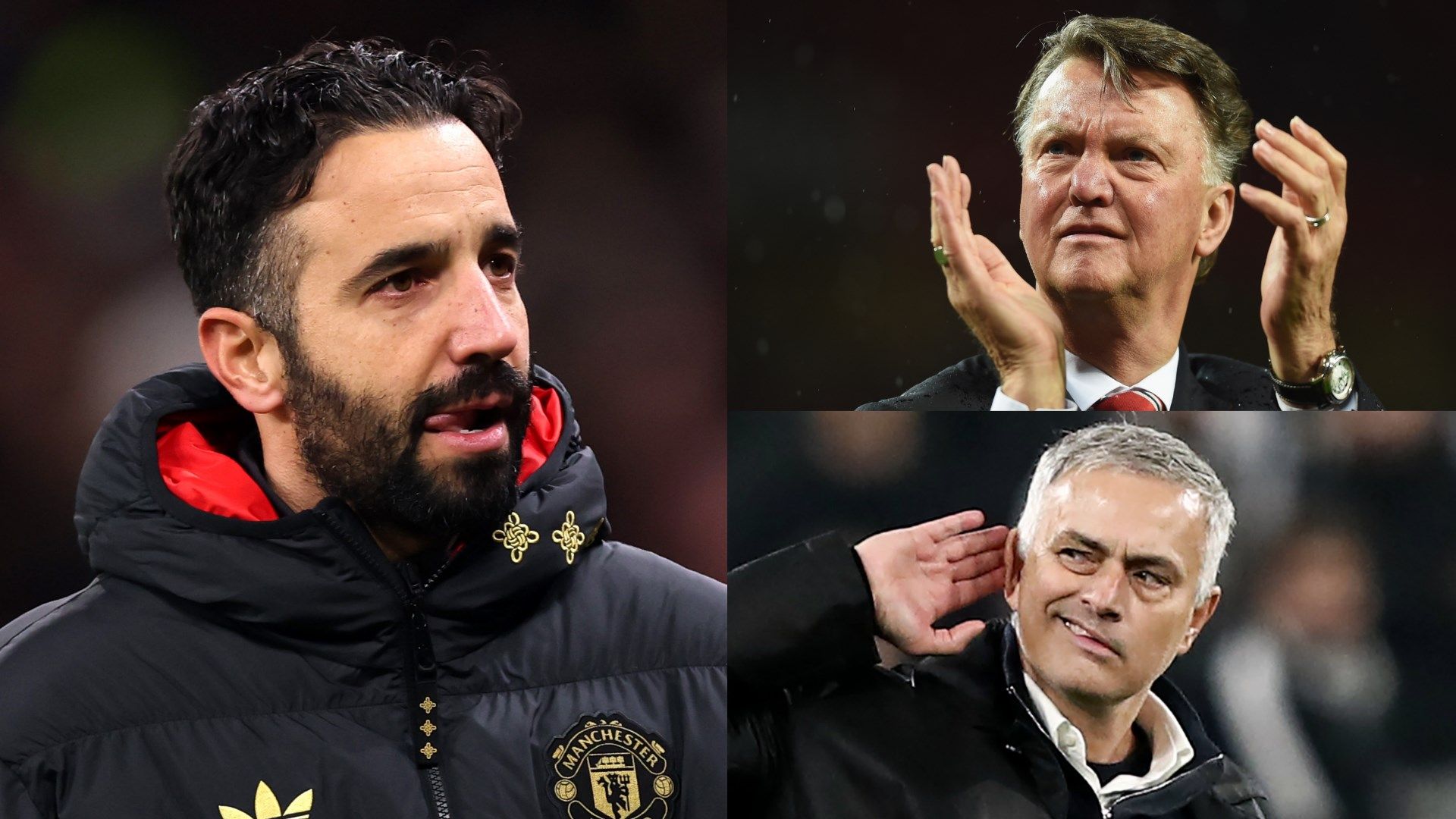
Ruben Amorim’s Manchester United tenure has come to an abrupt and disappointing end, cementing his place as arguably the club’s most underwhelming manager in the post-Sir Alex Ferguson era. Having lasted just under 14 months, Amorim’s stint is now the second-shortest of any permanent boss at Old Trafford since the legendary Scot’s retirement.
Ruben Amorim’s Struggles at Manchester United
Hailed as one of Europe’s brightest coaching prospects after his success at Sporting CP, Ruben Amorim arrived at Manchester United with high expectations. Co-owner Sir Jim Ratcliffe hoped Amorim could replicate the transformative effect of Mikel Arteta at Arsenal, while CEO Omar Berrada even likened him to Pep Guardiola. However, these lofty comparisons failed to materialize, as United finished a dismal 15th in the Premier League — their lowest league standing since 1974.
Despite significant investment in the squad, including a combined £208 million spent on attackers Bryan Mbeumo, Matheus Cunha, and Benjamin Sesko, the team struggled for cohesion and consistency. Amorim’s insistence on a rigid 3-4-3 formation, coupled with a series of controversial press conferences, only exacerbated United’s troubles. With European football absent during the final six months, expectations for domestic improvement grew, but a string of poor results — including a home defeat to 10-man Everton and draws against relegation candidates — sealed Amorim’s fate.
How Amorim Ranks Among United’s Recent Managers
In the club’s post-Ferguson managerial hall of shame, Amorim’s record stands out for all the wrong reasons. His 38.7% win percentage is the lowest for any United manager since the early 1970s, significantly worse than David Moyes’s 52%. Unlike Moyes, who inherited an aging squad with minimal backing, Amorim was afforded both time and financial resources yet failed to inspire progress.
While there were some notable highlights, such as a first win at Anfield in a decade and a dramatic Manchester derby victory, these moments were overshadowed by United’s overall decline. Even reaching the Europa League final in Bilbao ended in disappointment, with a defeat to Tottenham denying United Champions League football.
Comparing Amorim to Other Post-Ferguson Managers
The post-Ferguson years at Manchester United have seen a revolving door of managers, each facing unique challenges:
- David Moyes: Tasked with following Ferguson, Moyes struggled with a declining squad and limited support, finishing seventh before his early dismissal.
- Louis van Gaal: Brought pedigree but ultimately delivered insipid football, leaving shortly after an FA Cup win.
- Jose Mourinho: Won three trophies and achieved the club’s best points total since Ferguson, but his tenure soured amid dressing room unrest.
- Ole Gunnar Solskjaer: Provided United’s happiest post-Ferguson days, securing two top-four finishes and leading memorable comebacks, yet ultimately faltered.
- Erik ten Hag: Sparked initial optimism with a Carabao Cup win and Champions League qualification, but inconsistency led to his departure.
- Ralf Rangnick: Hailed for his tactical acumen, Rangnick’s impact was limited as interim boss, and United slumped to a then-record low Premier League points tally.
In this context, Ruben Amorim’s inability to deliver results or galvanize the squad places him at the bottom of the list, marking his reign as a cautionary tale for high-profile managerial appointments.
What’s Next for Ruben Amorim?
With his reputation tarnished in England, Amorim may look to Portuguese football for redemption, potentially returning to former club Benfica or another top-flight side. Given his tactical rigidity and media missteps at United, any future employer will likely scrutinize his ability to adapt and manage pressure at elite clubs.
Opinion: Lessons from Amorim’s United Tenure
Ruben Amorim’s brief and turbulent spell at Manchester United highlights the immense pressure and scrutiny that comes with managing one of football’s most storied clubs. Even the most promising talents require not just resources, but adaptability and emotional intelligence to succeed at the highest level. For Manchester United, this episode underscores the importance of aligning managerial philosophy with the club’s identity and demands.
For more news on Manchester United and the latest developments in football, visit for more news.
Your global gateway to nonstop football coverage:
News Goal
Share this content: