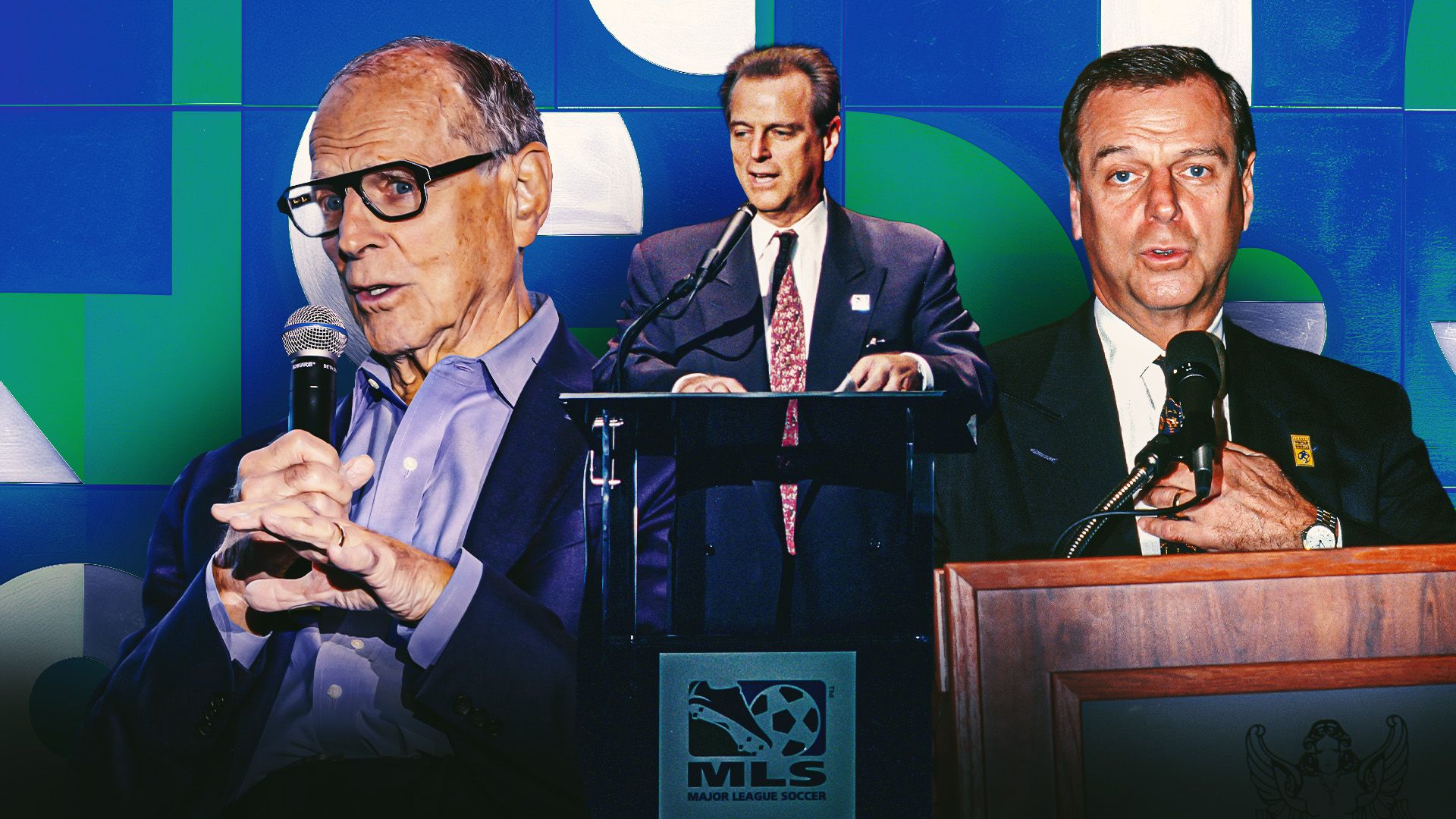
Alan Rothenberg stands as the driving force behind American soccer’s dramatic rise—from grassroots obscurity to global recognition. Though he knew little about the sport in his youth, Rothenberg’s influence is indelibly stamped on the history of soccer in the United States, shaping everything from the 1994 World Cup to the enduring legacy of Major League Soccer (MLS).
How Alan Rothenberg’s Unexpected Soccer Journey Began
Rothenberg’s entry into soccer was serendipitous. As a successful Los Angeles lawyer, he volunteered for the 1984 Olympics, specifically choosing soccer for its seemingly low workload. This unplanned involvement set him on a path that would define the future of the sport in America. Despite growing up with traditional American sports in the Midwest, Rothenberg’s early soccer experience included part-ownership of the LA Aztecs in the NASL and even orchestrating matches involving the Cuban national team.
Planning the 1994 World Cup: The Turning Point for American Soccer
By the early 1990s, Alan Rothenberg was no longer just an observer; he had become a central figure in soccer’s American expansion. Tasked with managing the bid and logistics for the 1994 FIFA World Cup, Rothenberg faced enormous skepticism. Financial advisors expected disaster, and he even worked without a salary to avoid burdening the project. However, his meticulous organization paid off—over 3.6 million fans attended, making it the highest-attended World Cup ever and igniting a lasting passion for soccer across the nation.
Alan Rothenberg’s Legacy: Pioneering Major League Soccer
A vital condition of hosting the World Cup was creating a professional league. Rothenberg’s challenge was immense: convincing investors to support a startup league in a country with a checkered soccer past. MLS launched with teams playing in existing stadiums, but the pivotal decision by Lamar Hunt to build a soccer-specific stadium in Columbus set a new standard. Today, MLS franchises are global brands, with Rothenberg’s vision at the core of this transformation.
Empowering the Women’s Game and Expanding the Sport
Rothenberg’s impact extended beyond men’s soccer. After the U.S. won the inaugural Women’s World Cup in 1991, he advocated for women’s soccer at the highest levels, ensuring its inclusion in the 1996 Olympics and securing the United States as host of the record-breaking 1999 Women’s World Cup. The tournament’s success, epitomized by the iconic image of Brandi Chastain celebrating victory, was a testament to Rothenberg’s belief in the sport’s universal appeal.
Alan Rothenberg and the Lasting Influence on American Soccer
Even after stepping back from day-to-day soccer operations, Rothenberg’s influence endures. He continues to work in sports business, writes about his experiences in “The Big Bounce,” and remains an active supporter of the sport he helped popularize. With the 2026 World Cup returning to U.S. soil, Rothenberg plans to attend matches in Los Angeles—witnessing first-hand the thriving soccer culture his efforts made possible.
Opinion: Rothenberg’s Vision Built the Foundation for Today’s Success
Rothenberg’s story is a masterclass in vision, commitment, and adaptability. By embracing a sport outside his comfort zone, he set in motion a chain of events that forever changed the landscape of American athletics. His willingness to take risks, innovate, and inspire others proves that a single determined individual can transform an entire sport. As the U.S. prepares to host the World Cup again, Rothenberg’s legacy is more relevant than ever, and his impact will be felt for generations.
For more coverage on soccer and the world of sports, visit for more news.
Your global gateway to nonstop football coverage:
News Goal
Share this content: