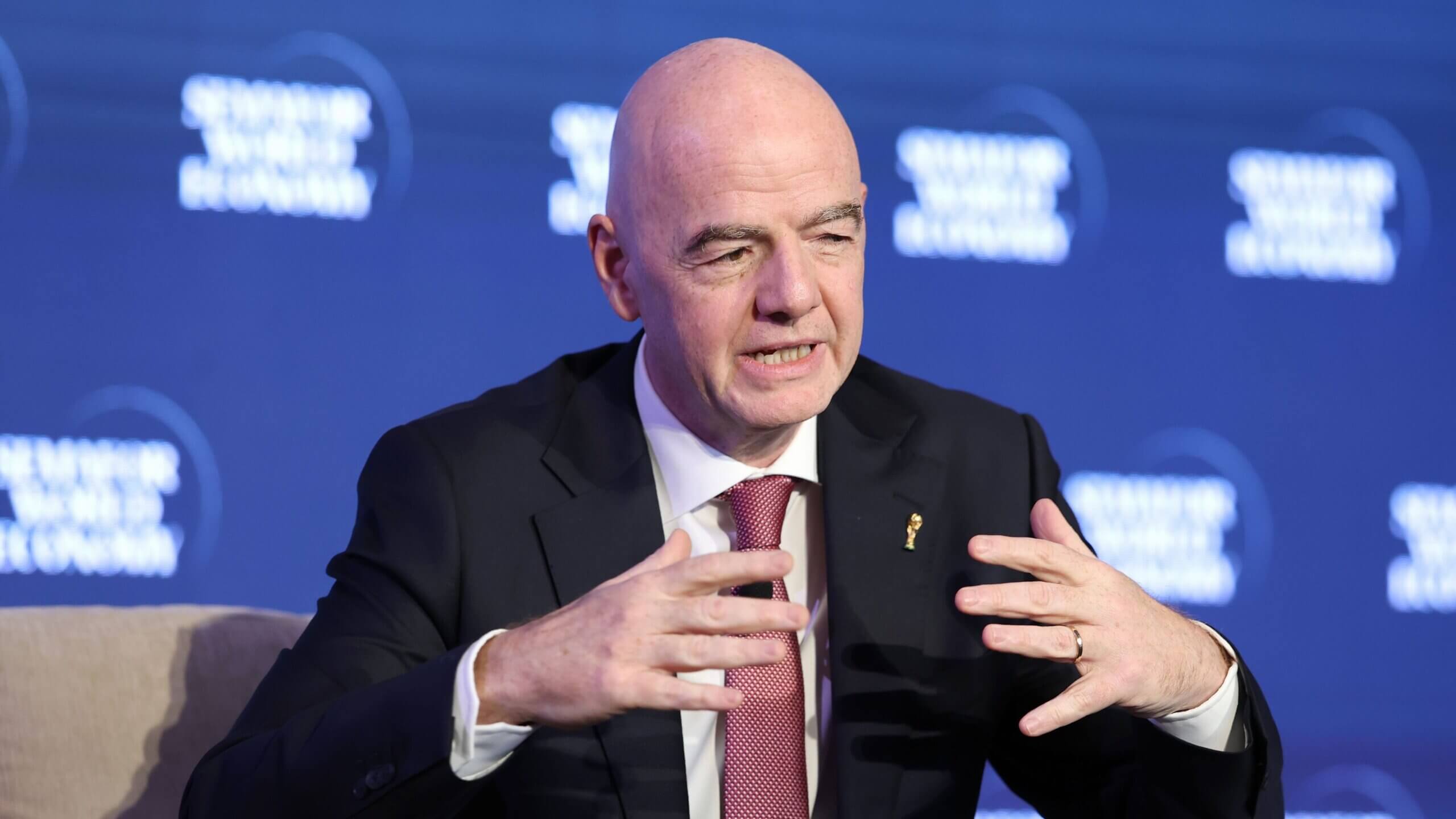
World Cup ticket prices have become a lightning rod for criticism as the countdown to the 2026 tournament in the United States, Canada, and Mexico intensifies. FIFA president Gianni Infantino has directly addressed the outcry, standing firm on the organization’s controversial pricing policy despite mounting frustration from fans worldwide.
World Cup Ticket Prices Ignite Global Debate
World Cup ticket prices for 2026 have sparked unprecedented debate among supporters. Fans have reacted with anger and disappointment as reports emerged of final match tickets at MetLife Stadium reaching several thousand pounds. Many have described the costs as “shameful” and “exorbitant,” fueling social media campaigns and open letters to FIFA demanding a rethink.
The outrage has grown particularly acute as some premium “Category 1” seats for marquee matches have soared by more than 80 percent compared to the last tournament. These increases come at a time when the expanded 48-team format is expected to draw the biggest crowds in World Cup history.
Infantino Justifies World Cup Ticket Prices
Infantino has responded by firmly defending FIFA’s stance, emphasizing that World Cup ticket prices are a financial necessity, not a profit-driven choice. In a statement to L’Equipe, he outlined FIFA’s unique financial model: “The main—and so far the only—source of revenue for FIFA is the World Cup. We generate revenue in one month. For the next 47 months, until the next World Cup, we spend that money.”
FIFA’s president argued that the singular revenue opportunity provided by the month-long tournament must sustain the organization’s global football development programs, grassroots initiatives, and competitions across all continents for the entire four-year cycle. He insisted that, with demand at record levels due to the expanded tournament format, the economics of supply and demand are also at work.
Barriers for Traditional Supporters
Despite these explanations, World Cup ticket prices remain a sticking point for many longtime supporters. Fan organizations fear that escalating costs are pushing the “people’s game” out of reach for ordinary fans—especially those who travel internationally or support their team through multiple group-stage and knockout matches.
Adding to these concerns, logistical expenses have surged. Reports indicate that local transportation and accommodation prices in host cities are skyrocketing, with some return train fares in the US increasing sevenfold on match days. For many, the dream of attending a World Cup is fading due to the mounting financial barriers.
World Cup Ticket Prices and FIFA’s Financial Imperatives
Infantino’s defense of current World Cup ticket prices is rooted in the governing body’s need to fund football development worldwide. Without a year-round league-style revenue stream, FIFA relies almost exclusively on the income generated from ticket sales, broadcasting rights, and sponsorship during the tournament window.
He argues that this model ensures that resources are available for grassroots projects, training programs, and competitions—including those in less affluent footballing regions. However, critics remain unconvinced, contending that more creative solutions are needed to balance financial sustainability with accessibility.
Unprecedented Demand and Economic Pressures
Interest in the 2026 World Cup is at an all-time high, with millions vying for a limited number of seats. This surge in demand, combined with the expanded field of teams and longer tournament duration, has given FIFA considerable leverage on pricing. Secondary ticket markets and scalping further exacerbate the issue, sometimes inflating prices even higher.
The final sales phase has only intensified the pressure on fans, who must now contend with not only high ticket costs but also rising expenses for travel, accommodation, and local services. Many supporters feel increasingly marginalized, arguing that the World Cup risks losing its identity as a truly global festival accessible to all.
Balancing Financial Realities and Fan Expectations
The debate around World Cup ticket prices is set to continue as the tournament nears. While FIFA maintains that high prices are crucial for funding the game’s development, fan groups insist that more must be done to protect accessibility for the average supporter. The challenge for FIFA is reconciling its financial requirements with the passion and loyalty of its global fan base—a balance that has proven elusive as costs continue to climb.
For those seeking ongoing updates, detailed coverage, and expert analysis on this evolving issue, visit for more news.
Opinion: Accessibility Must Remain a Priority
While FIFA’s financial model relies heavily on World Cup revenue, there is a pressing need to ensure that lifelong fans are not left behind. The spirit of the tournament thrives on inclusivity and diversity, and ticket pricing should reflect that ethos. As the world prepares to celebrate football’s greatest spectacle in 2026, it’s vital that governing bodies remember that the game belongs to the people—both on and off the pitch.
Your global gateway to nonstop football coverage:
News Goal
Share this content: