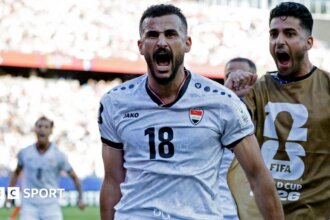
The 2026 World Cup opened with a flashpoint that immediately shifted attention away from the occasion itself. In Mexico City, referee Wilton Pereira Sampaio produced three red cards in the tournament’s first match, sending off South Africa’s Yaya Sithole and Themba Zwane, as well as Mexico defender Cesar Montes.
For supporters, an opening game is usually about tone-setting: a chance to see whether a team can settle quickly, impose its style and build momentum for the group stage. Instead, this match became an early reminder that World Cup football can turn on discipline as much as quality. When a game reaches three dismissals, the competitive balance changes dramatically, and the tactical picture becomes secondary to game management, emotional control and survival.
What the red cards mean for the match
Red cards in a World Cup opener carry consequences beyond the 90 minutes. They can disrupt selection plans for the next fixture, force managers into reshaping their approach and place extra pressure on squads that are already operating under tournament intensity. With South Africa and Mexico both affected, the immediate concern is not only the result of the opener but how each side recovers physically and mentally.
For South Africa, losing two players in the same match is especially damaging because tournament football often rewards compactness and discipline. A side reduced in numbers must cover more ground, protect space more carefully and accept a far more reactive game state. Mexico, meanwhile, will also have to deal with the fallout from Cesar Montes’ dismissal, which can affect defensive continuity and selection stability going forward.
A difficult start to the tournament
Opening matches often reveal more about temperament than tactics. Teams arrive with months of preparation, but the pressure of a World Cup stage can expose any lapse in control. That is what makes this incident notable: before the tournament had properly settled, the disciplinary drama had already become the headline.
For viewers, the match offered an early sign that this World Cup may be shaped by fine margins, officiating decisions and emotional discipline as much as attacking ambition. For the teams involved, the challenge now is to move on quickly, avoid further suspensions and ensure the opening-night chaos does not define the rest of their campaign.
BBC’s video report highlights the scale of the incident and the unusual nature of three red cards in a World Cup opener, a moment that will be remembered as much for its disciplinary drama as for the football itself.
Source note: This article was prepared using publicly available information from BBC Sport and expanded with editorial context.
Share this content: