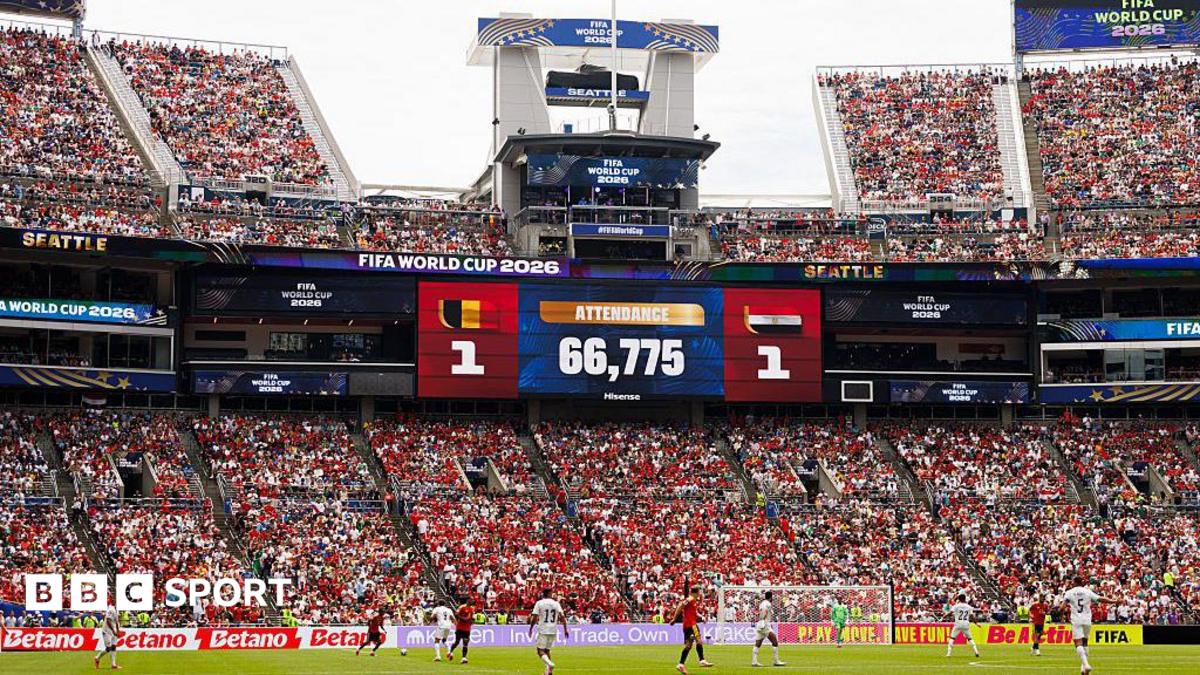
The opening week of the 2026 World Cup has already produced a familiar tournament debate: are too many matches drifting toward caution rather than risk? According to BBC Sport, draws have been the defining feature of the early stage, while Europe’s slow start has added to the sense that several teams are prioritising control over ambition.
That matters because the World Cup is built on tension. Supporters expect group-stage matches to carry consequence from the first whistle, with every point shaping the route to the knockout rounds. When draws dominate early fixtures, the competition can feel less volatile, especially if the strongest teams are reluctant to open games up. For fans, that can mean fewer decisive moments and more matches where the balance of power is carefully managed rather than aggressively attacked.
Why the early pattern matters
In tournament football, the opening rounds often reveal how teams plan to survive the group stage. A cautious start is not unusual, particularly when qualification formats reward patience and minimise the damage of a single defeat. But a cluster of draws can also suggest that sides are treating risk as the bigger enemy than the opponent itself. That is where the conversation around jeopardy begins: if too many teams are happy to settle, the competitive edge that defines World Cup football can soften.
For Europe’s representatives, a slow start can be read in different ways. It may reflect the usual early-tournament caution, or it may point to a broader tactical trend in which structure and game management are taking priority over tempo and directness. Either way, the opening week has created a storyline that goes beyond results. It asks whether elite international football is becoming more conservative at the very moment when the World Cup should be at its most unpredictable.
What it means for supporters
For supporters, the concern is not simply about entertainment. It is about whether the tournament still delivers the sense that every match can swing a group, alter momentum, or expose a favourite. Draws can be valuable in the standings, but they can also flatten the drama if they become the default outcome. The early evidence from this World Cup suggests that the balance between caution and jeopardy is already under scrutiny.
That does not mean the tournament lacks quality or that the story is settled. Early patterns can change quickly once teams are forced into must-win scenarios. But the BBC’s framing captures a real issue for the competition: if the opening week is dominated by draws, the World Cup may need a sharper competitive edge to match its reputation as football’s most unforgiving stage.
Source note: This article was prepared using publicly available information from BBC Sport and expanded with editorial context.
Share this content: