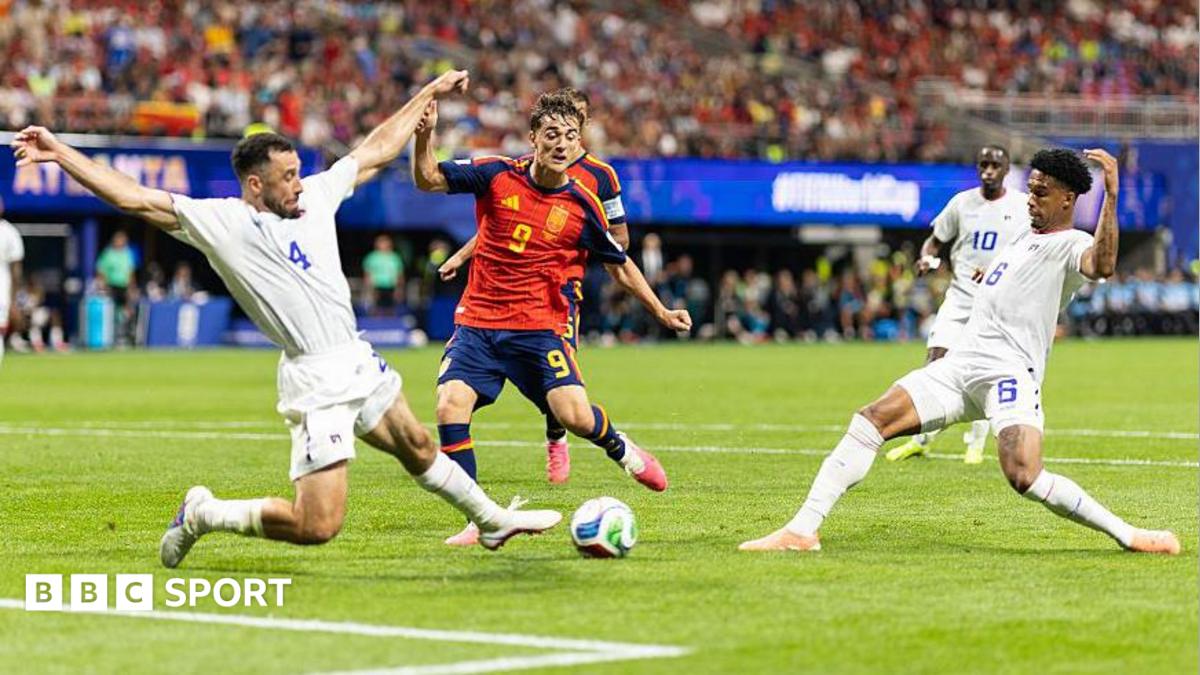
Cape Verde’s draw with Spain has emerged as one of the early talking points of the World Cup, not simply because of the result itself but because of what it suggests about how smaller nations can frustrate elite opposition on the biggest stage. For Scotland, watching that performance unfold will have felt especially relevant with Morocco next on the agenda.
The BBC’s framing is telling: this is not just a story about an underdog collecting a valuable point, but about whether a disciplined, well-organised display can be turned into a practical blueprint. In tournament football, where margins are thin and one mistake can decide everything, the ability to stay compact, deny space and survive pressure is often as important as possession or territory.
Why Cape Verde’s result matters beyond the scoreline
Spain entered the match as European champions and, on paper, the clear favourites. That Cape Verde were able to leave with a draw gives the result wider significance. It reinforces a familiar World Cup theme: technical superiority does not always translate into control if the underdog can manage the game’s rhythm, stay disciplined without the ball and make the favourite work for every opening.
For supporters of teams outside the traditional elite, that is encouraging. It shows that structure, concentration and collective commitment can still level the field, at least for a night. For Scotland, it also offers a reminder that the route to a positive result against Morocco may not depend on matching them in every phase, but on choosing the right moments to press, counter and protect key areas.
What Scotland can take from the Cape Verde example
Scotland’s challenge is different in personnel and style, but the principle is similar. Against strong opposition, the temptation is often to chase the game too early or stretch the shape in search of a breakthrough. Cape Verde’s draw suggests the opposite approach can be more effective: patience, compactness and clarity about roles.
That does not guarantee success, of course. Morocco will bring their own strengths and tactical demands, and Scotland will need to adapt to the specific match context. But the broader lesson is clear enough for fans: in a World Cup, belief can come from organisation as much as ambition. Cape Verde’s performance has already become more than a headline result; it is now a reference point for other teams trying to punch above their weight.
For Scotland, that makes the Cape Verde story worth studying closely. If they can borrow even part of that discipline and resilience, they may give themselves a genuine chance of turning a difficult fixture into something far more manageable.
Source note: This article was prepared using publicly available information from BBC Sport and expanded with editorial context.
Share this content: