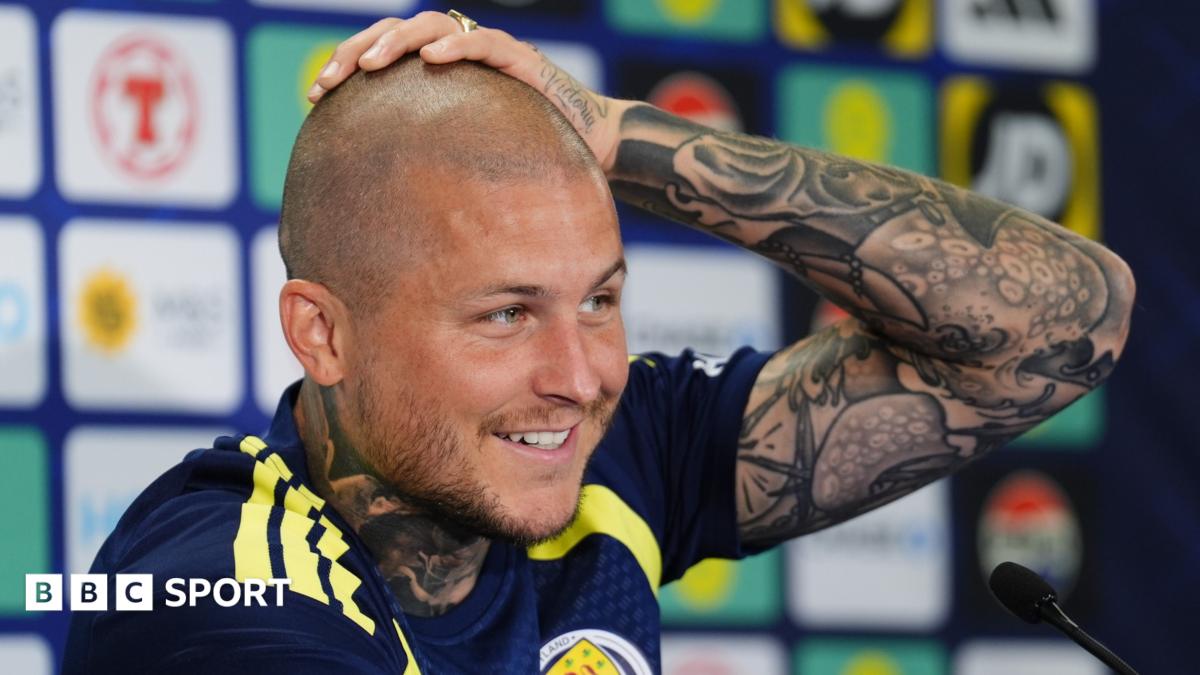
Lyndon Dykes has built a very specific kind of reputation in Scotland colours: not as a relentless goalscorer, but as a striker whose rare goals tend to arrive at exactly the right time. BBC Sport’s latest piece leans into that odd but valuable pattern, and it says a lot about how Steve Clarke’s side have functioned in recent years.
For supporters, that matters because international football is often decided by fine margins. Scotland do not need Dykes to be a high-volume scorer in the way a top club No 9 might be expected to be. They need him to be useful, disruptive, and decisive when the moment comes. That is where his place in the squad has been forged. The article describes him as a cult hero, and that label fits a player whose contribution is measured as much by timing and presence as by raw numbers.
A striker defined by moments, not volume
The central point of the BBC story is simple: Dykes does not score often, but Scotland win when he does. That is a powerful narrative in tournament football, where one goal can change the direction of a campaign. It also explains why Clarke has continued to trust him. A forward can influence a team in ways that do not always show up in headline statistics, especially in a side that may need direct running, physical duels and an outlet under pressure.
That profile has tactical value. Scotland have often needed a centre-forward who can occupy defenders, stretch the pitch and give the team a reference point in attack. In that context, Dykes’ role is not just about finishing chances. It is about creating the conditions for Scotland to compete, and then converting the chances that matter most.
Why this matters for Scotland supporters
The broader implication is that Scotland’s hopes can hinge on players who are not always judged by conventional scoring records. Dykes’ story is a reminder that international teams are often built around trust, familiarity and specific roles rather than pure output. When a player becomes associated with winning moments, that reputation can become part of the team’s identity.
BBC Sport’s framing also underlines the emotional side of tournament football. Supporters do not just remember who scored; they remember what it meant. If Dykes finds the net, Scotland fans have reason to believe the result may follow. That is a rare and valuable association, and it helps explain why he remains such a notable figure in Steve Clarke’s squad.
As Scotland look ahead to the World Cup conversation, Dykes’ place in the picture is less about glamour and more about function. He may not score often, but when he does, Scotland tend to be celebrating. In a sport where confidence and momentum can shape everything, that is no small thing.
Source note: This article was prepared using publicly available information from BBC Sport and expanded with editorial context.
Share this content: