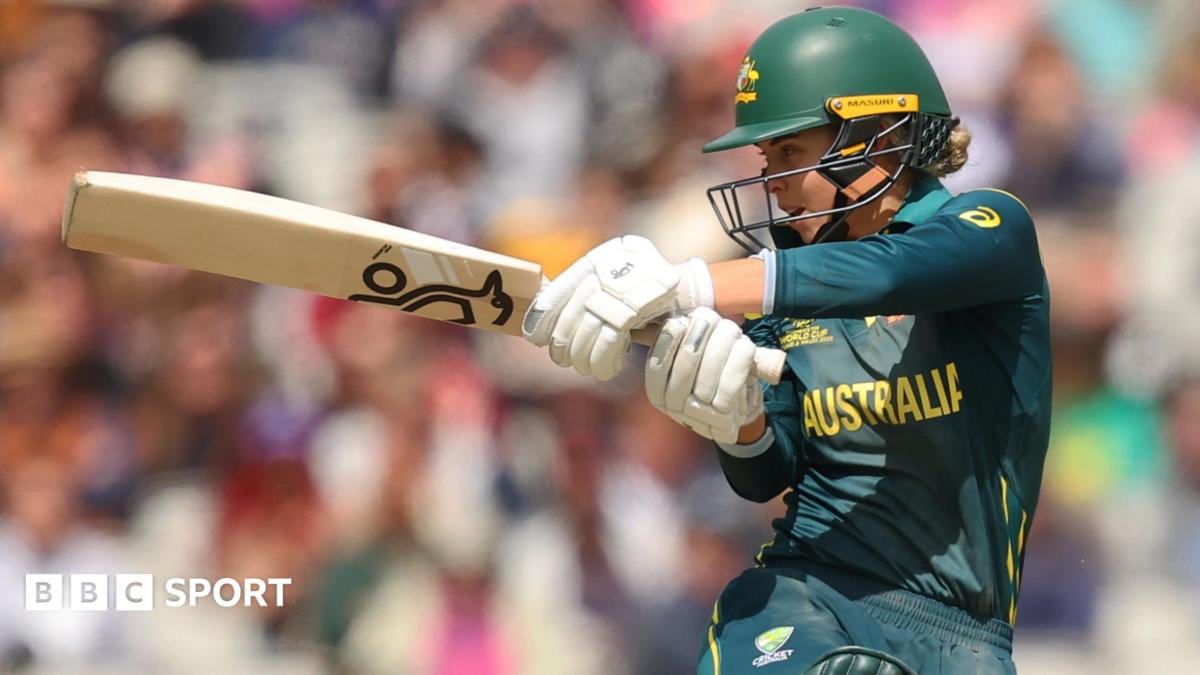
Australia’s Women’s T20 World Cup campaign has been handed an early fitness concern, with opener Phoebe Litchfield expected to miss the next three matches after suffering a quad injury while batting against South Africa. For a side built on depth and continuity, the setback is significant because it affects both the top order and the balance of selection in the short term.
What Litchfield’s absence means for Australia
Litchfield’s role at the top of the order matters because Australia generally rely on fast starts to control the tempo of T20 cricket. When an opener is unavailable, the knock-on effect is not just about replacing runs; it is also about reshaping the batting sequence, managing left-right combinations and deciding how aggressively to attack the powerplay. In a tournament where margins are tight, even a brief absence can alter the rhythm of a campaign.
The injury also places more responsibility on Australia’s remaining batting options to absorb the pressure of opening against high-quality attacks. South Africa’s bowling was the immediate context for the injury, but the broader issue for Australia is how quickly they can maintain their usual standards without one of their top-order players. Tournament cricket rarely allows time for a slow adjustment, so the next three matches become important not only for points but for squad management.
Why this matters in the wider tournament picture
For supporters, the concern is less about one isolated injury and more about what it suggests for Australia’s early momentum. The defending champions are expected to compete deep into the event, and any disruption to the batting order can affect confidence as well as tactics. If Litchfield is unavailable for three matches as expected, Australia will need to show that their system can absorb a loss without losing control of games they are expected to win.
That is especially relevant in a short-format tournament, where form can swing quickly and every match influences qualification scenarios. A team with Australia’s pedigree will still be judged by results, but injuries to key players often reveal how much resilience a squad really has. The next few fixtures will therefore offer an early test of Australia’s depth and adaptability, with Litchfield’s recovery timeline now a key storyline for the group stage.
For now, the immediate takeaway is straightforward: Australia have been forced into an early rethink, and the absence of a frontline opener is the kind of issue that can shape a tournament long before the knockout rounds arrive.
Source note: This article was prepared using publicly available information from BBC Sport and expanded with editorial context.
Share this content: