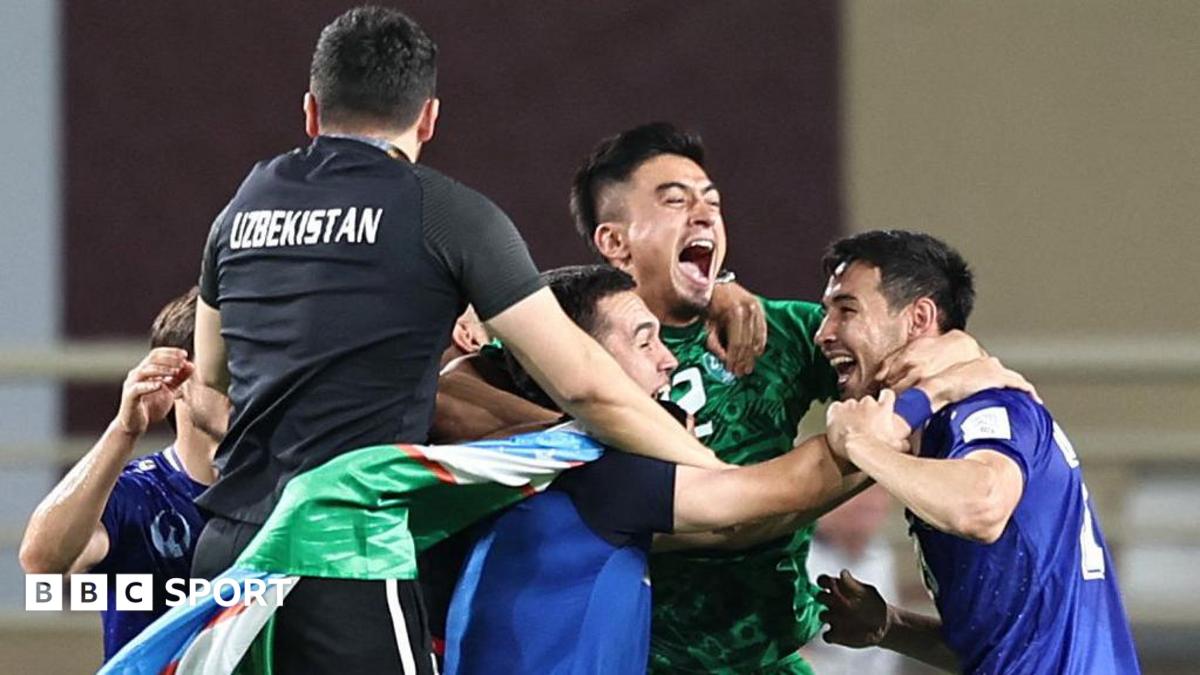
Uzbekistan’s qualification for the 2026 FIFA World Cup is more than a national milestone. It is a landmark for Central Asian football, a region that has long produced competitive teams and talented players without ever breaking through to the sport’s biggest stage. According to the BBC source, Uzbekistan made history on 5 June 2025 by securing a first-ever World Cup place, ending decades of near misses and underlining how far the country has come.
For supporters, the significance is immediate and emotional. World Cup qualification changes the scale of expectation, visibility and belief. It gives Uzbekistan a global platform that can accelerate interest in the domestic game, strengthen the country’s football identity and inspire the next generation of players across the region. It also means Central Asia will finally be represented at a World Cup for the first time in history, a detail that gives this achievement wider continental importance.
A breakthrough with regional meaning
The BBC’s description of Uzbekistan as one of Asian football’s “nearly men” captures the broader context. In international football, repeated progress without the final reward can become a defining burden. Breaking that pattern matters because it validates years of development work, investment and persistence. Even without the source listing the full qualification route, the outcome itself is clear: Uzbekistan have crossed a threshold that has eluded them for generations.
That breakthrough also matters tactically and structurally. World Cup qualification often reflects more than one strong campaign; it usually points to a deeper footballing base, better organisation and a squad capable of handling pressure over a long qualifying cycle. For a nation like Uzbekistan, the achievement can help retain talent, improve the standing of its domestic league and raise the profile of its players in the wider Asian market.
What it means for Asian football
From a continental perspective, Uzbekistan’s place at the World Cup adds another competitive voice to Asia’s representation on the global stage. It strengthens the argument that football development outside the traditional power centres is producing real results. For fans across Central Asia, it also offers a shared reference point: a team from the region has finally reached the tournament that defines international football.
There is still plenty to be decided on the pitch, but the historical significance is already secure. Uzbekistan’s qualification is not just a story about one country reaching one tournament. It is a story about persistence, regional progress and the moment a long-excluded part of the football map finally arrives at the World Cup.
Source note: This article was prepared using publicly available information from BBC Sport and expanded with editorial context.
Share this content: