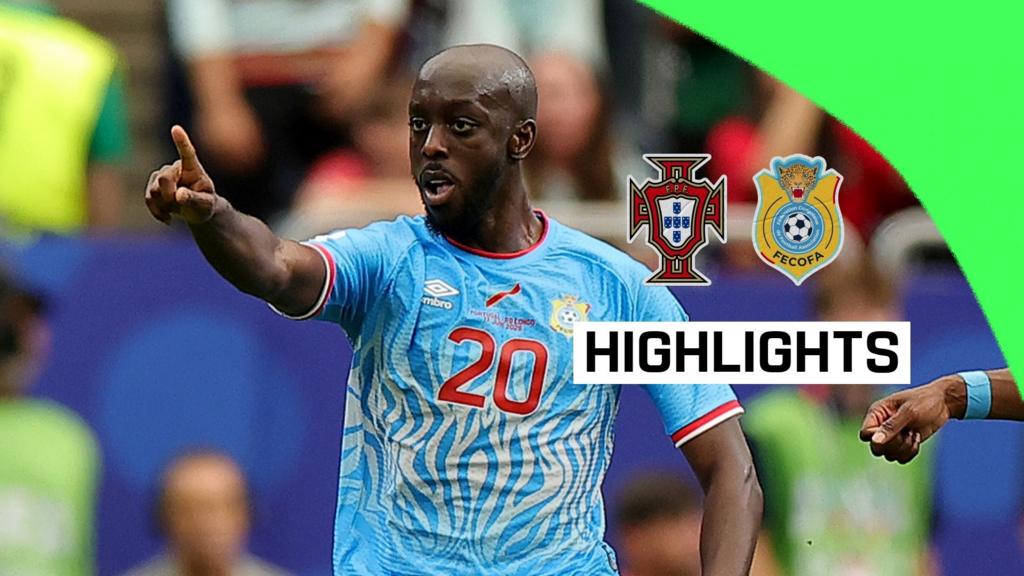
DR Congo’s 1-1 draw with Portugal in Group K at Houston Stadium was the kind of result that can reshape a World Cup campaign. Coming from behind to take a point against one of the tournament’s established European sides is not just a useful outcome on the scoreboard; it is also a marker of competitive maturity and belief under pressure.
For DR Congo, the value of the result goes beyond the single point. In a group-stage setting, especially at the World Cup, matches against higher-profile opponents often define momentum. Recovering after falling behind shows a team capable of staying organised, resisting panic and finding a way back into the contest. That matters for supporters because it suggests their side can compete in difficult moments rather than simply survive them.
What the draw means for DR Congo
From a footballing perspective, a draw of this nature can be as important psychologically as it is mathematically. Teams that can respond to adversity in a group match often carry that confidence into the next fixture. DR Congo’s ability to take something from Portugal should strengthen belief in the dressing room and among their fans that progression remains possible.
It also adds weight to the idea that the group is not being decided solely by reputation. Portugal may have entered the game with the stronger international pedigree, but DR Congo’s comeback ensured the contest was not one-way. That is often the difference in tournament football: the sides that can absorb pressure and remain in the game give themselves a chance to change the narrative late on.
Portugal left with work to do
For Portugal, the result is a reminder that control in possession does not always translate into control of the result. Dropping points after taking the lead is a setback in any group-stage campaign, particularly when qualification scenarios can tighten quickly. Even without the full match details, the headline outcome suggests Portugal were unable to close out a game they had put themselves in position to win.
That will concern supporters because World Cup group matches leave little margin for error. A draw can still be useful, but only if followed by a stronger response in the next outing. Portugal will now need to treat the result as a warning that game management and concentration remain crucial.
A result with wider tournament significance
In a World Cup group, every point can alter the balance of qualification. DR Congo’s comeback draw keeps them in the conversation and ensures Group K remains competitive. For neutral observers, it is exactly the sort of result that gives the tournament its edge: a disciplined underdog, a favoured opponent denied full reward, and a group table that stays open for longer.
For DR Congo supporters, the draw will feel like evidence that their team can stand up to elite opposition on the biggest stage. For Portugal, it is a prompt to sharpen the details that decide knockout qualification. Either way, the result carries more significance than the scoreline alone.
Source note: This article was prepared using publicly available information from BBC Sport and expanded with editorial context.
Share this content: