Stoppage time has become one of the most talked-about details in modern football, and the World Cup has helped turn it into a tactical and emotional flashpoint. What once felt like a routine few extra minutes at the end of each half is now often extended enough to reshape the final stages of a match, influence momentum and keep supporters on edge until the very last whistle.
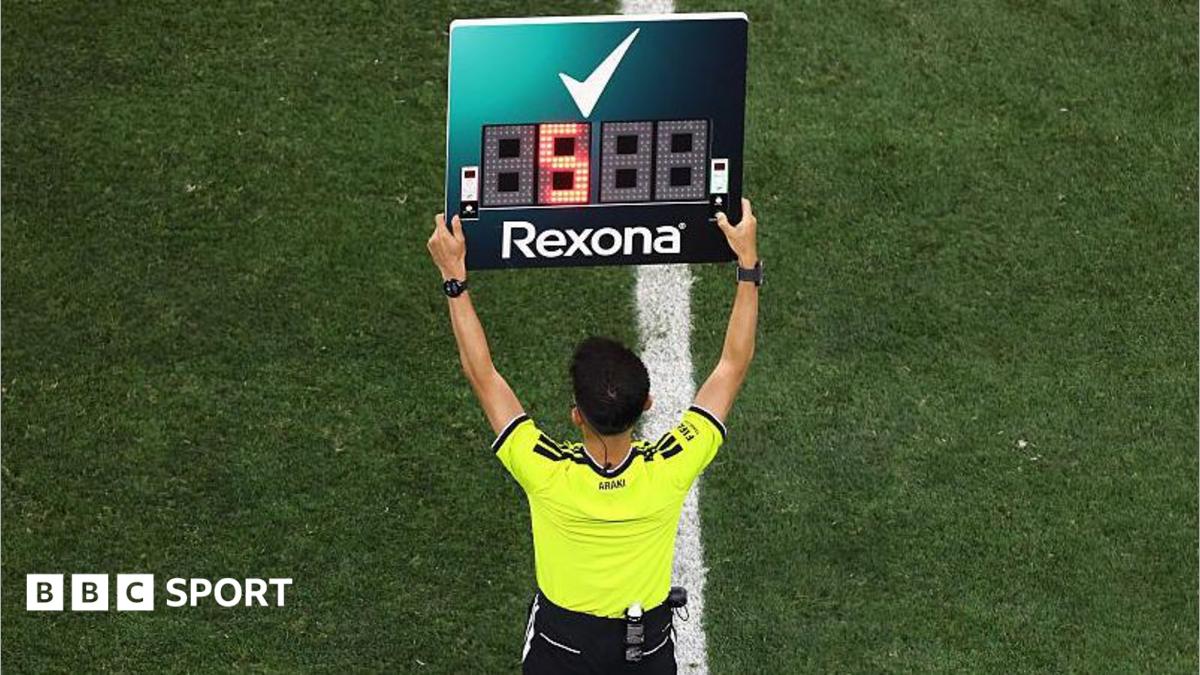
The BBC’s World Cup analysis highlights the growing attention around those added minutes, noting that boards showing 10, 11 or 12 minutes used to draw groans from players and fans alike. That reaction is easy to understand. In a tournament where margins are tiny and every goal can alter a nation’s path, longer stoppages do more than simply compensate for lost time: they change the way teams manage risk, substitutions and game state.
Why added time matters more at major tournaments
At World Cups, the pressure on officials to account for delays is magnified because the stakes are so high. Time lost to injuries, substitutions, VAR checks and celebrations can no longer be treated as an afterthought. For coaches, that means planning for matches that may effectively run much longer than the traditional 90 minutes. For players, it means energy conservation, concentration and bench usage become even more important in the closing phase.
Supporters also feel the difference. A team protecting a lead can no longer assume that a narrow advantage will survive a short burst of pressure. Likewise, a side chasing an equaliser may see longer stoppage time as an opportunity rather than a burden. That shift has made the final minutes of World Cup matches more volatile, more dramatic and, at times, more controversial.
What it means for teams and fans
From an editorial perspective, the key point is not just that stoppage time is longer, but that it has become strategically meaningful. Teams that are well drilled in game management can use those extra minutes to slow tempo, reset shape and protect territory. Teams that are behind must be prepared to attack with urgency while still guarding against the counter-attack, because the match may not end when older habits suggest it should.
For supporters, the change has altered the emotional rhythm of watching football. The final whistle now feels less predictable, and the tension can build far beyond the 90-minute mark. In a World Cup setting, that uncertainty is part of the spectacle. It can reward persistence, punish complacency and create the kind of late drama that defines tournament football.
BBC Sport’s question is therefore a timely one. Stoppage time is no longer just administrative bookkeeping. At the World Cup, it is a competitive factor in its own right, with real consequences for tactics, results and the experience of everyone watching.
Source note: This article was prepared using publicly available information from BBC Sport and expanded with editorial context.
Share this content: