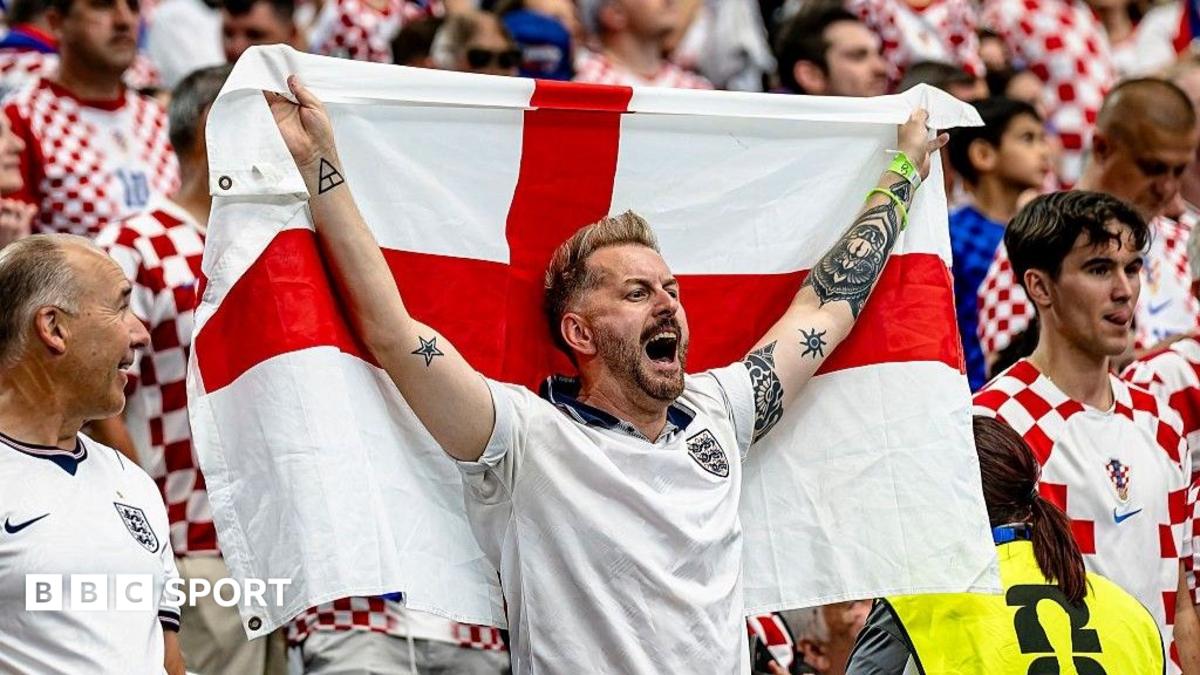
England’s use of a darts-style song at the 2026 World Cup is a small detail with a bigger meaning: national teams are increasingly treating the tournament as a branding exercise as well as a football competition. BBC Sport reports that England are among the sides using a dedicated goal song, part of a wider summer trend in which familiar tracks are played after every goal.
The idea is simple, but the effect can be powerful. A goal song turns a moment of celebration into something recognisable and repeatable, helping a team build an identity that supporters can latch on to. At a World Cup spread across the United States, Canada and Mexico, where atmosphere can vary from venue to venue, that kind of sonic signature can help create continuity for travelling fans and for viewers at home.
A growing tournament habit
BBC Sport notes that The Proclaimers, AC/DC, Daft Punk and Lynyrd Skynyrd are among the artists whose songs have been selected by national teams this summer. That list shows how broad the appeal is: some teams are leaning into anthemic singalongs, others into rock, dance or songs already associated with sporting culture. England’s choice fits that pattern, and the reference to a darts song suggests an attempt to tap into a familiar, high-energy atmosphere rather than a purely football-specific soundtrack.
For supporters, the significance is not just novelty. Goal songs can become part of a team’s emotional memory, especially in a tournament where margins are small and momentum matters. If a side scores early and often, the repeated use of the same track can become a symbol of confidence. If goals are scarce, the song can still serve as a rallying point, a reminder of the team’s personality and the mood it wants to project.
What it means for England and the wider World Cup picture
England’s decision also reflects how modern international football is presented. Teams are no longer defined only by formations, selections and results. Presentation, fan engagement and cultural references now sit alongside the football itself. A goal song may not change tactics, but it can shape perception, and perception matters at a World Cup where every detail is magnified.
There is also a practical layer to this. In a tournament hosted across three countries, with different stadium environments and a huge global audience, small identity markers can help teams stand out. For England, a darts-linked song may resonate with a domestic audience that understands the reference immediately, while also giving the side a distinctive hook in a crowded event.
BBC Sport’s report does not suggest the goal song will have any direct impact on results, and that is the point. This is not about footballing advantage in the tactical sense. It is about atmosphere, memory and the way teams want to be experienced by supporters. In a World Cup that will already be shaped by travel, venue variety and global attention, even a song after a goal can become part of the story.
Source note: This article was prepared using publicly available information from BBC Sport and expanded with editorial context.
Share this content: