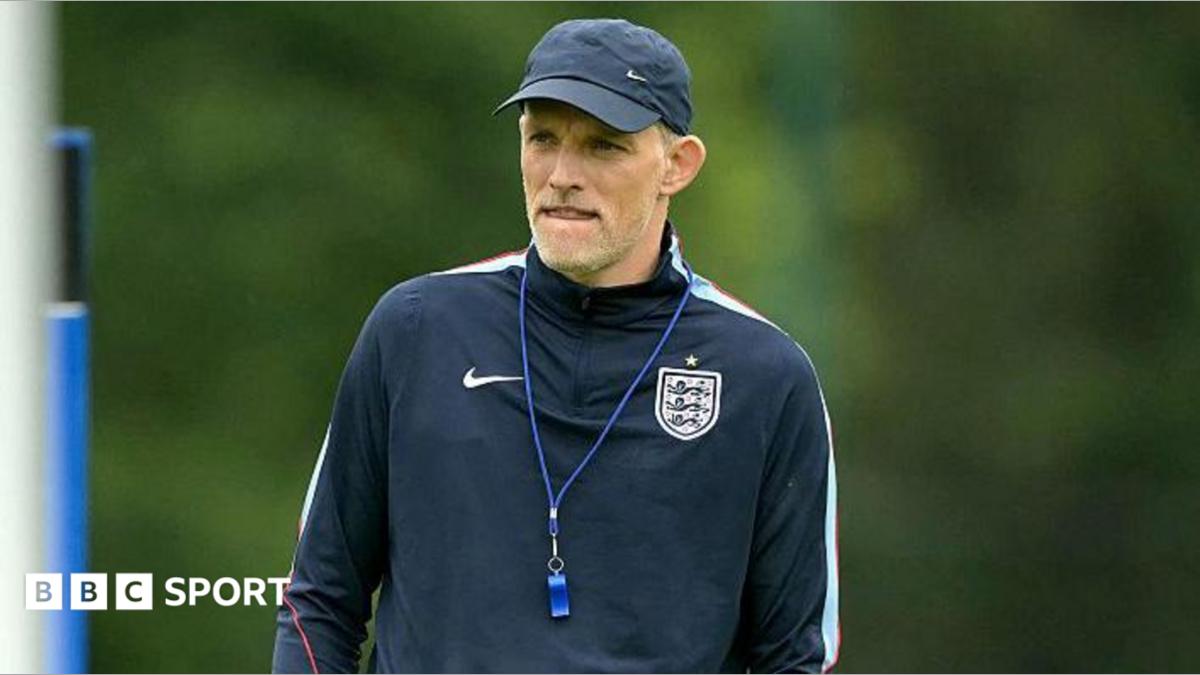
Thomas Tuchel has added his voice to one of the more debated details of modern tournament football, saying he is not a fan of the hydration breaks being used at the World Cup. It is a small comment, but one that reflects a wider tension between player welfare, match rhythm and the tactical flow of elite international football.
For England, the remark matters because it comes from the head coach himself, not from a player or a pundit. Tuchel is known for his attention to structure, tempo and game management, so any interruption that breaks up momentum is likely to draw his scrutiny. Hydration pauses are designed with player safety in mind, especially in hot conditions, but they also change the way matches are coached and played.
Why the breaks matter tactically
In tournament football, every stoppage can alter the balance of a game. Coaches use natural pauses to reset pressing triggers, adjust defensive lines and deliver instructions that are harder to communicate once the match is flowing. That is why hydration breaks can be welcomed by some teams and resisted by others: they can help players physically, but they can also blunt intensity and reduce the advantage of a side that has built momentum.
Tuchel’s view also fits the broader reality of international football, where conditions are often less predictable than in club competition. World Cup matches can be played in difficult climates, and governing bodies have increasingly prioritised player safety. The trade-off is that supporters sometimes see a more fragmented spectacle, with the game losing some of its rhythm just when the stakes are highest.
What it means for England supporters
For England fans, the comment is less about controversy for its own sake and more about how Tuchel is likely to approach the tournament. His teams are usually built on control, detail and adaptability, so his dislike of hydration breaks suggests he values uninterrupted flow and sustained pressure. That could become relevant in tight knockout matches, where momentum swings and concentration levels often decide outcomes.
It is also a reminder that the World Cup is shaped not only by tactics and talent, but by conditions and regulations that can influence how a match unfolds. Supporters will be watching to see whether England can adapt quickly if games are repeatedly paused, and whether Tuchel’s preference for a cleaner rhythm translates into a side capable of maintaining intensity regardless of interruptions.
In that sense, the issue is bigger than a brief stoppage. It speaks to the constant balancing act at elite level between protecting players and preserving the competitive edge that managers spend months trying to build.
Source note: This article was prepared using publicly available information from BBC Sport and expanded with editorial context.
Share this content: