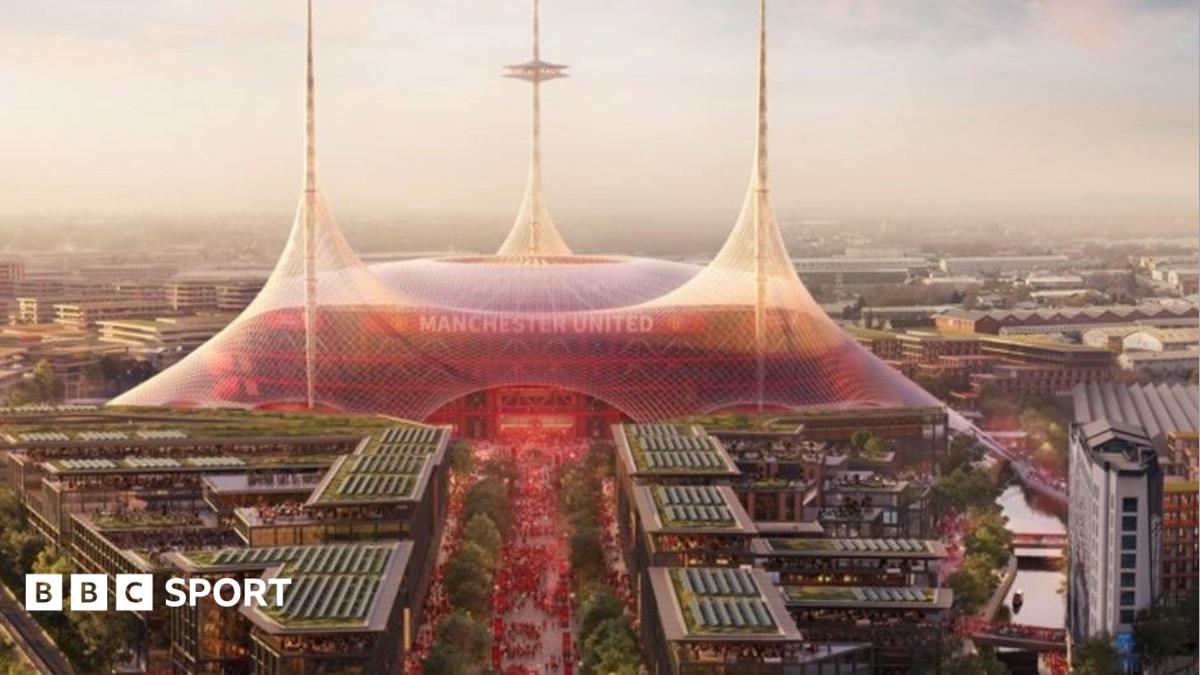
Manchester United have taken a notable step in their long-term stadium project by buying the majority of the land required for a proposed new 100,000-capacity ground near Old Trafford. The move does not mean construction is imminent, but it does strengthen the club’s position as it continues to shape one of the most ambitious infrastructure plans in English football.
For supporters, the development matters because stadium projects are rarely just about bricks and mortar. They are about identity, revenue, matchday experience and the club’s ability to compete at the top level over the long term. A larger, modern venue would be designed to meet the demands of a global fanbase and could become a central part of Manchester United’s next era, both commercially and symbolically.
A major land step, but still early in the process
The BBC report states that United have secured most of the land needed for the stadium close to their current home. That is an important milestone, because land assembly is often one of the most difficult parts of any major redevelopment or new-build project. Even so, the club still faces the usual questions around planning, financing, design and delivery before any stadium can become a reality.
At this stage, the most meaningful takeaway is that United are continuing to move the project forward rather than allowing it to stall. For a club of their size, stadium strategy is tied directly to football strategy: more capacity can mean more matchday income, while a modern venue can improve the overall experience for fans and visitors alike.
Why the project matters for Manchester United
Old Trafford remains one of the most recognisable grounds in world football, but the conversation around its future has grown louder as other elite clubs have invested heavily in new or upgraded stadiums. United’s decision to push ahead with land acquisition suggests they are serious about keeping pace with that trend.
The BBC also reports that the club believe Andy Burnham’s exit will not affect the stadium plans. That indicates the project is being treated as a long-term strategic issue rather than one dependent on a single political figure. For supporters, that should offer some reassurance that the idea is still alive and being handled at a serious level.
What happens next will depend on the wider planning process, but this is clearly more than a speculative concept. United have now made a concrete move that brings the possibility of a new stadium closer, even if the road ahead remains lengthy.
Source note: This article was prepared using publicly available information from BBC Sport and expanded with editorial context.
Share this content: