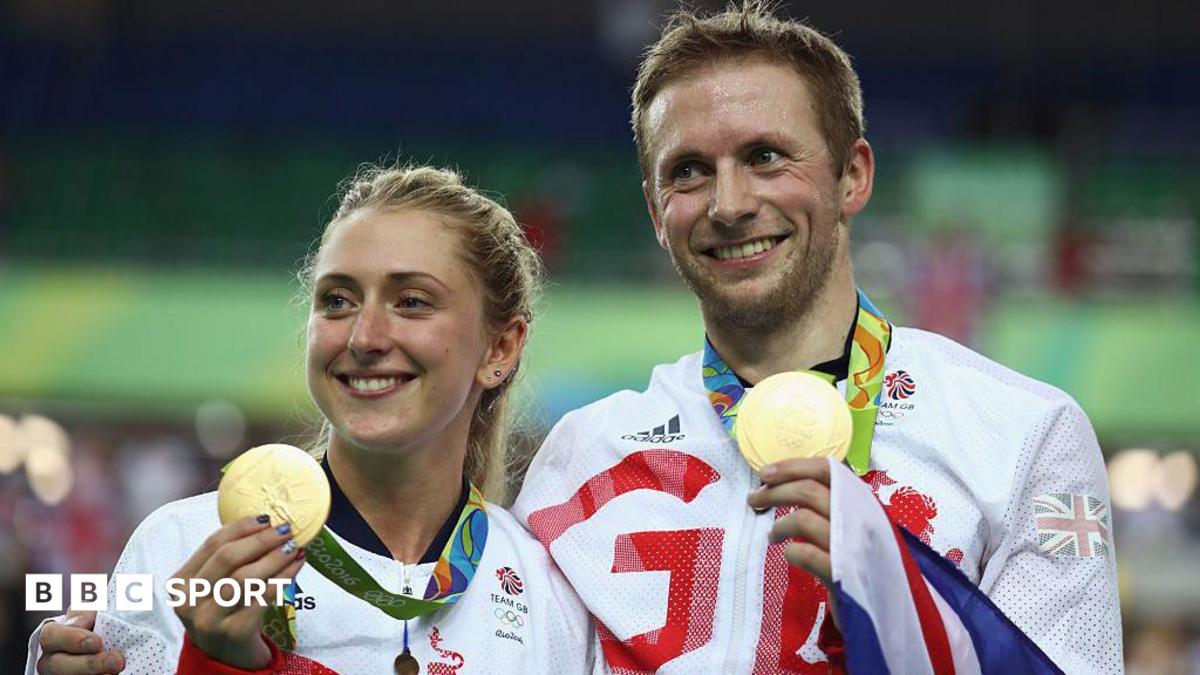
A proposed north of England bid to host the Olympic and Paralympic Games has gained high-profile backing from a group of current and former British athletes, adding momentum to a debate that is now as political as it is sporting. According to the BBC report published on 22 June 2026, the supporters argue that the region offers a distinctive sporting culture and a strong case for hosting a major international event.
The intervention matters because bids for the Games are never judged on sporting enthusiasm alone. They are also about infrastructure, transport, legacy planning and the ability to present a credible national project to the International Olympic Committee. By lining up behind a northern bid, these athletes are effectively making the case that the region can offer more than symbolism: it can offer a genuine event platform with public backing and a clear identity.
Why the northern bid is being framed as more than a location choice
The phrase used by the group — that the north of England has “a passion for sport like no other place” — is designed to underline the emotional and cultural argument behind the proposal. For supporters, that matters. Olympic and Paralympic bids often succeed when they feel rooted in a place that can sell a story, not just a set of venues. A northern bid would also be seen by many as a chance to spread the benefits of a mega-event beyond London and the south-east.
That wider distribution of investment is likely to be central to the political discussion. Hosting the Games can accelerate transport upgrades, urban regeneration and community sport investment, but it also brings scrutiny over cost, public spending and long-term use of facilities. The BBC report does not provide those details, but the broader context explains why the issue is likely to attract attention well beyond sport.
London’s response shows the stakes are already rising
Sir Sadiq Khan’s criticism of the government’s thinking adds another layer to the story. The London Mayor said excluding the capital would be “a missed opportunity”, a clear sign that any future bid will be judged not only on sporting merit but on national balance and political optics. London’s own Olympic legacy remains one of the strongest reference points in British sport, so any move to bypass the capital is bound to prompt debate.
For supporters, the key question is whether a northern bid can build enough credibility to move from idea to serious proposal. The athlete backing gives the project visibility, but the next stage would depend on whether organisers can turn enthusiasm into a practical plan that satisfies both domestic decision-makers and international scrutiny. For now, the story is less about a formal bid launch than about the early battle to shape public opinion around where Britain’s next major Games project should be centred.
What is already clear is that the argument has moved beyond simple geography. It is now about identity, legacy and the kind of national sporting project the UK wants to present. With Olympic and Paralympic voices publicly behind the north of England, and London pushing back, the conversation is likely to intensify quickly.
Source note: This article was prepared using publicly available information from BBC Sport and expanded with editorial context.
Share this content: