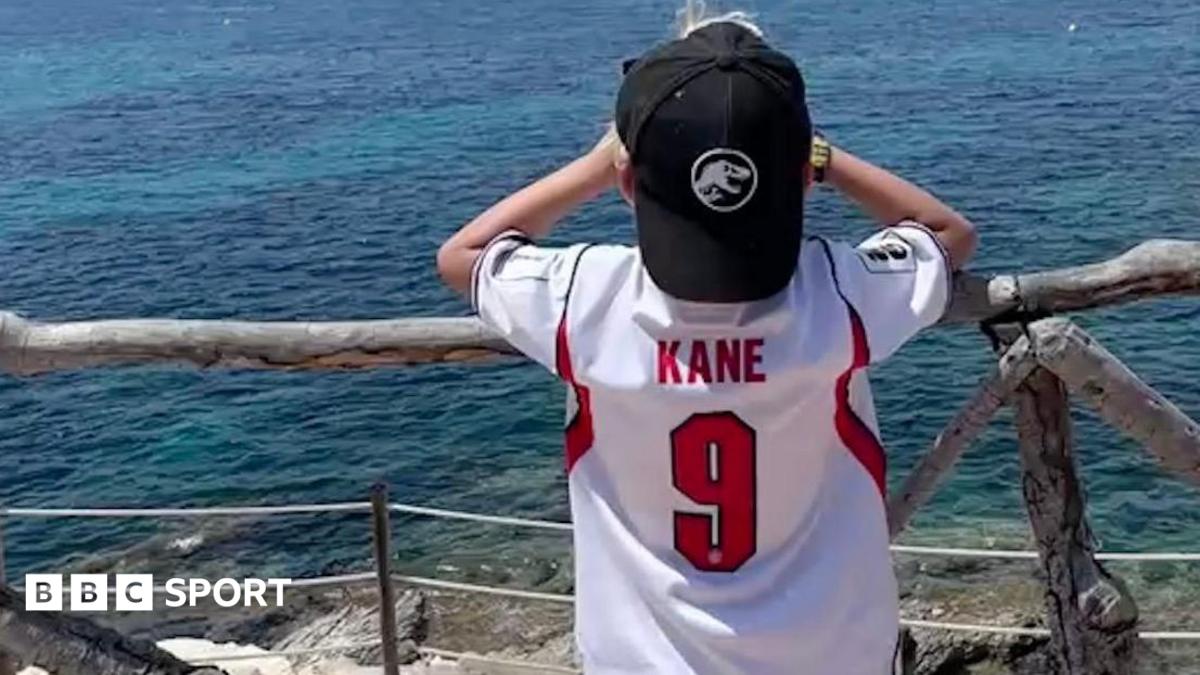
BBC Sport’s feature The beauty of sharing your child’s first World Cup is less about tactics, results or transfer noise and more about football’s most powerful long-term asset: memory. Published on 21 June 2026, the piece leans into the emotional pull of the tournament, where the game is not only watched but inherited. For supporters, that matters because the World Cup is often the first competition that turns casual interest into lifelong attachment.
The article’s central idea is simple but effective. A first World Cup is rarely just about the football on the pitch. It is about the atmosphere around it: the sense of occasion, the scale of the event, and the way it can connect generations. For parents, sharing that experience with a child adds another layer. It turns a global tournament into a family memory, one that can shape how the next generation understands the sport.
Why the World Cup still matters beyond the scoreline
In an era dominated by club football, constant content and relentless analysis, the World Cup still has a unique place in the sport’s calendar. It compresses drama, identity and national feeling into a short, high-stakes window. That is why features like this resonate: they remind readers that football’s biggest events are not only judged by winners and losers, but by the stories they create away from the technical breakdown.
For younger fans, a first World Cup can be a gateway into the sport’s history. It is often the first time they see the game presented as something larger than weekly fixtures and league tables. The BBC’s framing taps into that sense of wonder, the same feeling many supporters remember from their own childhood summers when football seemed to belong to a different, more magical rhythm.
A reminder of football’s generational pull
The feature also speaks to a broader truth about supporter culture: football is one of the few sports where memories are passed down as naturally as team allegiance. Parents often introduce children to the game through stories, shirts, highlights and tournament summers. The World Cup, with its global reach and emotional intensity, is the perfect stage for that handover.
That makes the article relevant even without a scoreline or transfer angle. It captures why football remains culturally powerful. The game is not only consumed in the present; it is remembered, retold and shared. For supporters, especially those watching with children for the first time, the tournament becomes part of family history as much as sporting history.
BBC Sport’s piece ultimately underlines a familiar but important point: football’s greatest moments are often measured not by statistics, but by the people who experience them together. A child’s first World Cup can become a lifelong reference point, and that is part of what keeps the tournament so central to the sport’s identity.
Source note: This article was prepared using publicly available information from BBC Sport and expanded with editorial context.
Share this content: