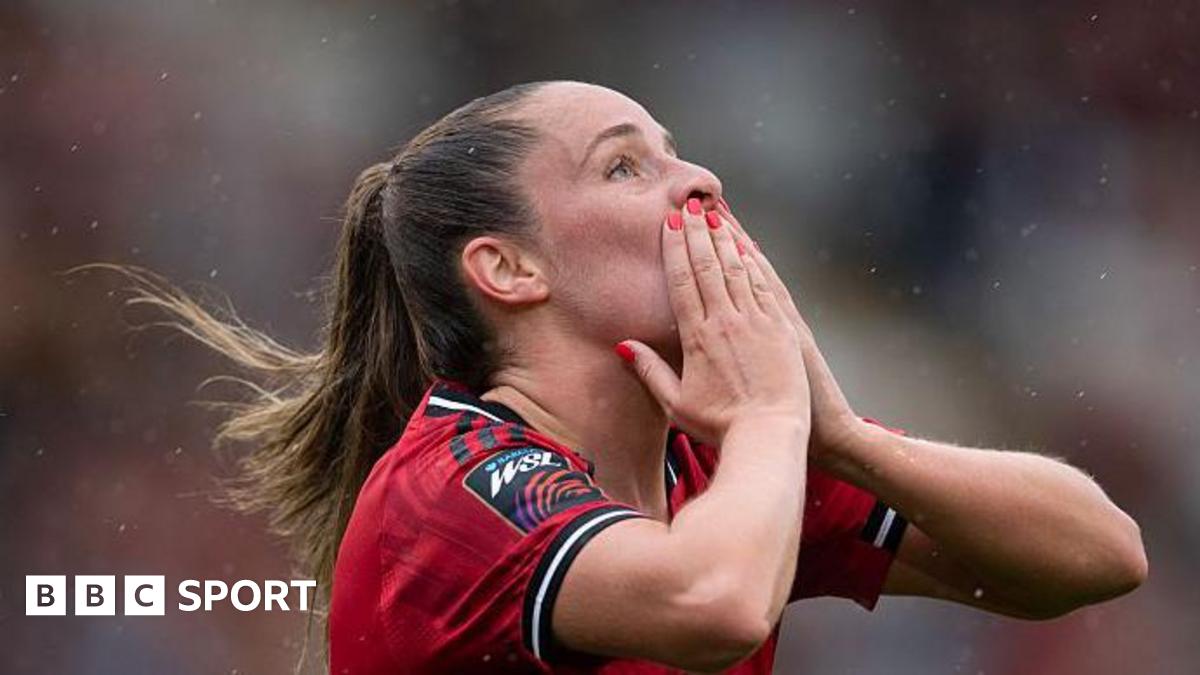
Ella Toone’s latest story is not about a transfer, a tactical tweak or a match-winning goal. It is about the human side of football, and the way the game can become a place of refuge when life becomes unbearably difficult. The England and Manchester United midfielder is preparing for her wedding this summer, but there will be an empty chair on the day: her father, Nick, will not be there.
That detail gives added weight to the way Toone has spoken about her relationship with football. She has said she dedicates every goal to her dad and regards him as the main reason she is where she is in her career. For supporters, that turns each celebration into something more than a routine gesture. It becomes a visible link between family, memory and performance at the highest level.
Football as a way through grief
Toone’s situation underlines something often discussed in women’s football and the wider professional game: players are expected to perform in public while carrying private pain. In that context, football can be both pressure and release. The training ground, the dressing room and the matchday routine can provide structure, but they cannot erase loss. What they can do is give a player a purpose to keep moving forward.
For Manchester United, Toone remains one of the most recognisable figures in the squad and one of the players most closely associated with the club’s rise in the women’s game. For England, she has long been part of the national conversation because of her creativity, personality and ability to influence big moments. When a player with that profile speaks openly about grief, it resonates beyond one club or one dressing room.
What it means for supporters
There is also a broader footballing significance here. Supporters often see only the final product: the goal, the celebration, the interview, the smile. Stories like Toone’s remind fans that elite players are still dealing with the same life events that affect everyone else, only under far brighter lights. That can deepen the bond between player and crowd, especially when the player’s emotional connection to the game is so clearly rooted in family.
The BBC’s feature, How Toone is navigating grief through football, points to a story that goes beyond results. It is about resilience, identity and the role football can play when personal life and professional duty collide. For Toone, the summer wedding will be marked by absence as well as celebration. For football, it is another reminder that the most powerful stories are often the ones that happen away from the pitch.
There are no transfer implications here and no tactical headline to dissect, but there is still clear relevance for the game. Toone’s openness adds to the understanding of what elite players carry with them, and why emotional strength can matter just as much as technical quality when careers are built over years, not weeks.
Source note: This article was prepared using publicly available information from BBC Sport and expanded with editorial context.
Share this content: