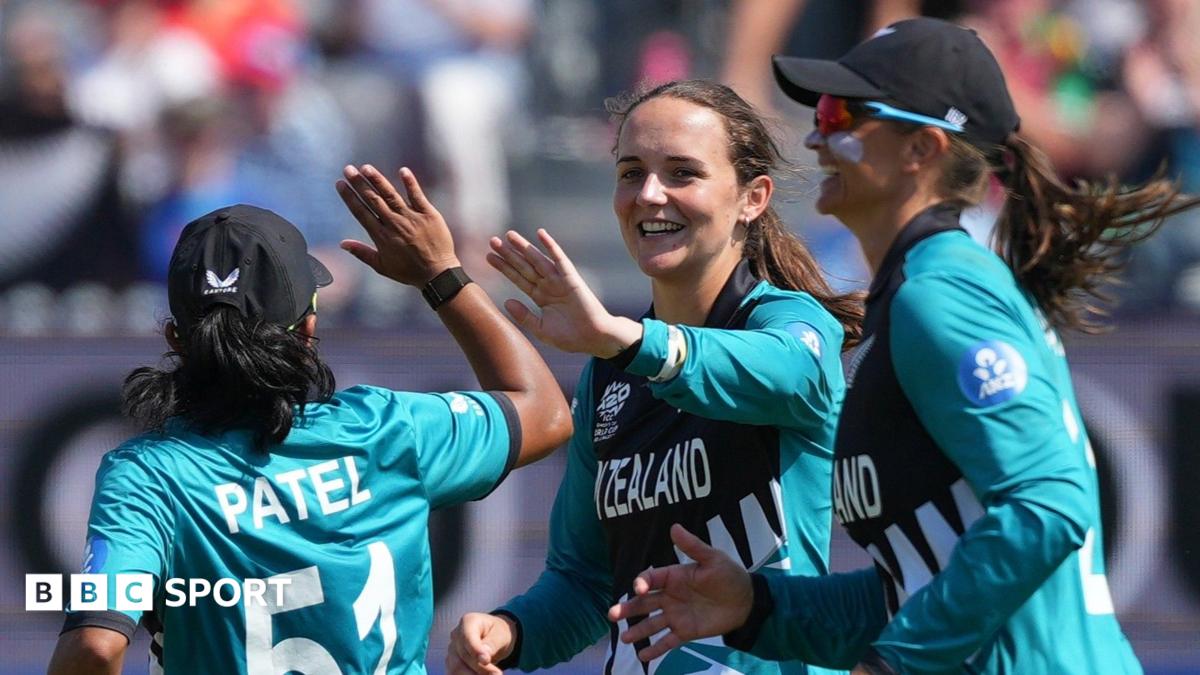
New Zealand have ended Scotland’s Women’s T20 World Cup campaign, with the BBC reporting that the result in Bristol confirmed the Scots’ exit from the tournament. In a short group-stage update, the outcome also sharpened the picture in Group 2, where every result now carries immediate qualification consequences.
For Scotland, the elimination is a hard stop to a tournament that was always likely to be defined by margins. In a short-format competition, one defeat can quickly become decisive, especially when a side is up against opponents with greater depth, more international experience and a longer record of handling pressure in major events. New Zealand’s victory therefore does more than add points to the table: it removes one of the group’s outsiders from contention and narrows the path for the remaining teams.
What the result means for Group 2
The BBC’s report places the match in the wider context of Group 2, alongside South Africa’s win over India. That matters because it suggests the group is being shaped by a small number of high-value results rather than a steady accumulation of comfortable wins. In tournaments like this, net run rate, momentum and head-to-head outcomes can become as important as raw points, and that increases the pressure on every batting collapse, every missed chance in the field and every over of disciplined bowling.
For New Zealand, the victory is the kind of result that can stabilise a campaign. Even when a team is not producing its most fluent cricket, getting over the line in a group match is often the difference between control and uncertainty. It also reinforces the value of tournament management: knowing when to press, when to protect wickets and how to close out a chase or defend a total under scoreboard pressure.
Why supporters should care
For Scotland supporters, the immediate feeling will be disappointment, but there is also a wider significance. Qualification exits in global tournaments expose the gap between emerging nations and established sides, yet they also provide a benchmark for future cycles. Scotland’s presence at this level matters, and the experience of facing a side like New Zealand should feed into planning, selection and development ahead of the next major event.
For neutral fans, the result keeps the Women’s T20 World Cup compelling because it underlines how quickly the table can change. Group-stage cricket often looks simple on paper, but the reality is more volatile: one strong performance can revive a campaign, while one poor day can end it. New Zealand have done the job they needed to do, and Scotland are out.
Source note: This article was prepared using publicly available information from BBC Sport and expanded with editorial context.
Share this content: