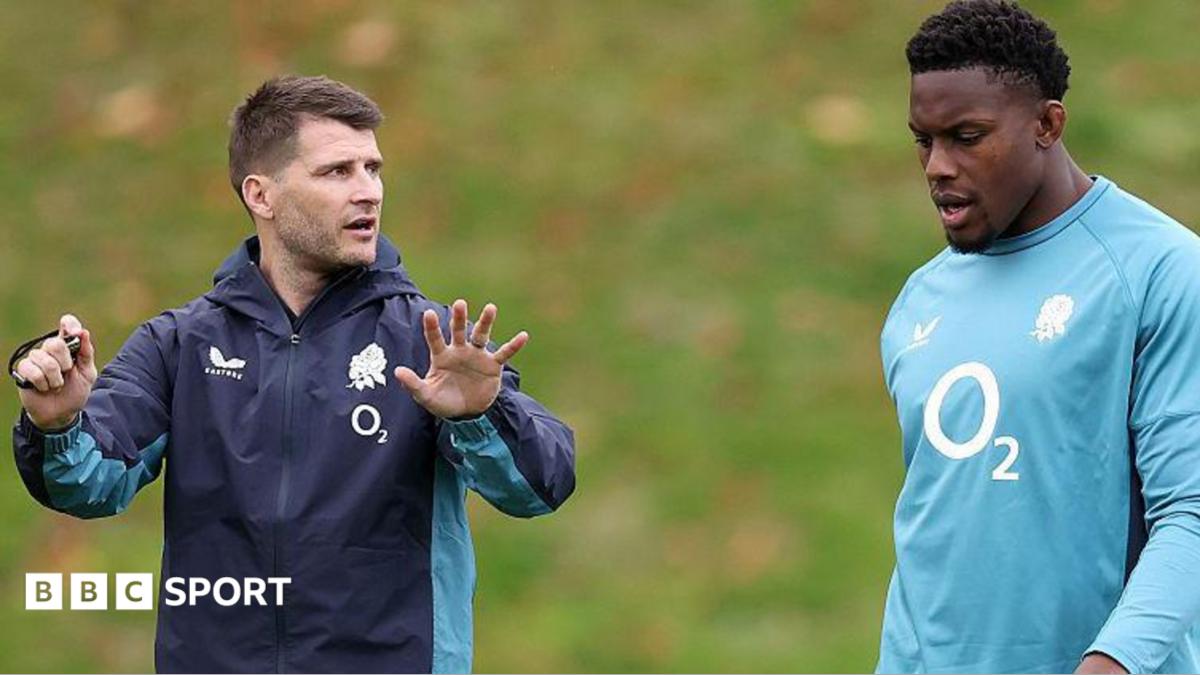
England’s decision to leave captain Maro Itoje out of next month’s meeting with South Africa has been framed by senior assistant coach Richard Wigglesworth as a sensible call rather than a gamble. With the world champions looming, the move suggests England are thinking beyond one headline selection and toward the longer arc of squad management, recovery and performance planning.
From a supporter’s point of view, the absence of a captain is always going to draw attention. Itoje is one of England’s most recognisable and influential players, and any decision to rest him naturally raises questions about leadership, balance and whether the team can absorb that loss without weakening its edge. But the fact England are comfortable making that call also hints at confidence in the depth of the group and in the structure around him.
Why England may see this as the right call
Wigglesworth’s stance points to a broader modern reality in elite international sport: the best teams increasingly have to manage players as assets across a demanding calendar. Resting a senior figure before a high-profile Test can be about protecting physical condition, reducing risk and ensuring key players peak when it matters most. Against South Africa, England will need intensity, discipline and clarity, but they may also need freshness more than familiarity.
That is especially relevant when facing a side with the physical and tactical demands associated with the Springboks. Matches against South Africa often become contests of territory, set-piece pressure and collision management, which means selection is rarely just about star power. England’s coaches will be weighing whether a slightly altered leadership picture can still deliver the control and resilience required for such a demanding fixture.
What it means for England and their supporters
For England fans, the immediate reaction may be mixed. Some will see Itoje’s omission as a risk in a game that already looks like a major benchmark. Others will view it as a sign of maturity: a team willing to make hard decisions in the interest of the bigger picture. Either way, the choice underlines how seriously England are treating the fixture and how carefully they are trying to manage the build-up.
The story also matters because it offers a glimpse into England’s internal thinking. Rather than simply naming the strongest possible side on reputation, the coaching staff appear focused on timing, workload and the demands of the opposition. If England get the balance right, the decision could be vindicated not only by Itoje’s freshness later in the campaign, but by the team’s ability to compete with South Africa without compromising their standards.
For now, the message from the England camp is clear: leaving Itoje out is not being treated as a setback, but as a calculated step in preparing for one of the most demanding fixtures on the calendar.
Source note: This article was prepared using publicly available information from BBC Sport and expanded with editorial context.
Share this content: