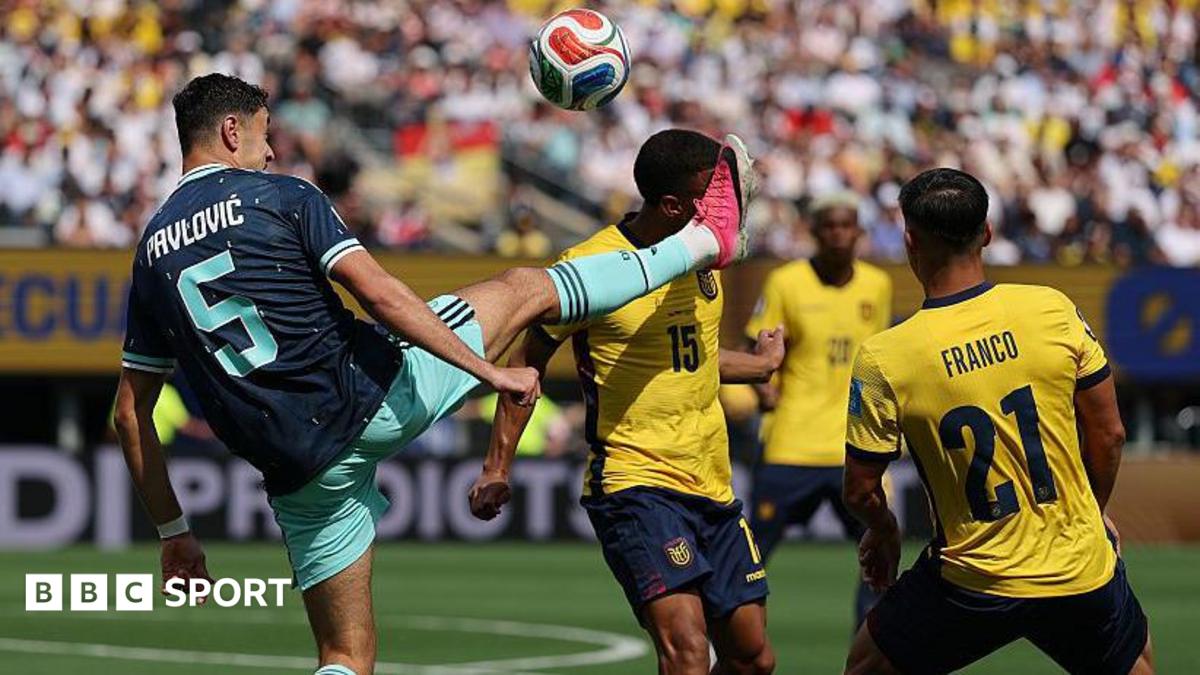
VAR was supposed to reduce controversy, not create a new layer of uncertainty. Yet BBC Sport’s World Cup discussion captures a familiar tournament problem: when the technology is present but the application feels inconsistent, supporters quickly stop trusting the process. After a week of strange decisions, the question is no longer simply whether VAR is being used, but whether everyone understands the same threshold for intervention.
The issue matters because the World Cup is the most scrutinised stage in football. Every review is magnified, every delay is dissected, and every non-intervention becomes part of the debate. For fans, that can be more frustrating than a single wrong call. If the system appears to change from one match to the next, the perception of fairness weakens even when officials believe they are following the correct protocol.
Why consistency matters more than technology
Video review is only as strong as the standards behind it. If referees are expected to step in only for clear and obvious errors, then that line must be applied consistently across the tournament. When viewers see similar incidents treated differently, the conversation shifts from the incident itself to the credibility of the process. That is exactly the kind of atmosphere the BBC piece reflects, with confusion building around when VAR is going to get involved.
For teams, the stakes are obvious. A marginal offside, a possible handball, or a penalty review can alter the rhythm of a match and the direction of a campaign. In a short tournament, there is no time to recover from a decision that feels arbitrary. Coaches plan around game states, but VAR uncertainty can distort those plans by interrupting momentum or leaving players unsure how aggressively they can defend in the box.
What it means for supporters and the tournament
Supporters want clarity above all else. They can accept tough decisions if the framework is transparent, but they struggle when the same type of incident seems to produce different outcomes. That is why the debate around VAR at the World Cup is not just about one call or one match. It is about whether the competition can maintain confidence in officiating while using a system designed to eliminate doubt.
The BBC article does not provide a full technical breakdown of every incident, but it does reflect the wider mood around the tournament: confusion, frustration and a growing sense that the line between review and non-review is not being read the same way by everyone involved. Until that changes, VAR will remain part of the story for all the wrong reasons.
Source note: This article was prepared using publicly available information from BBC Sport and expanded with editorial context.
Share this content: