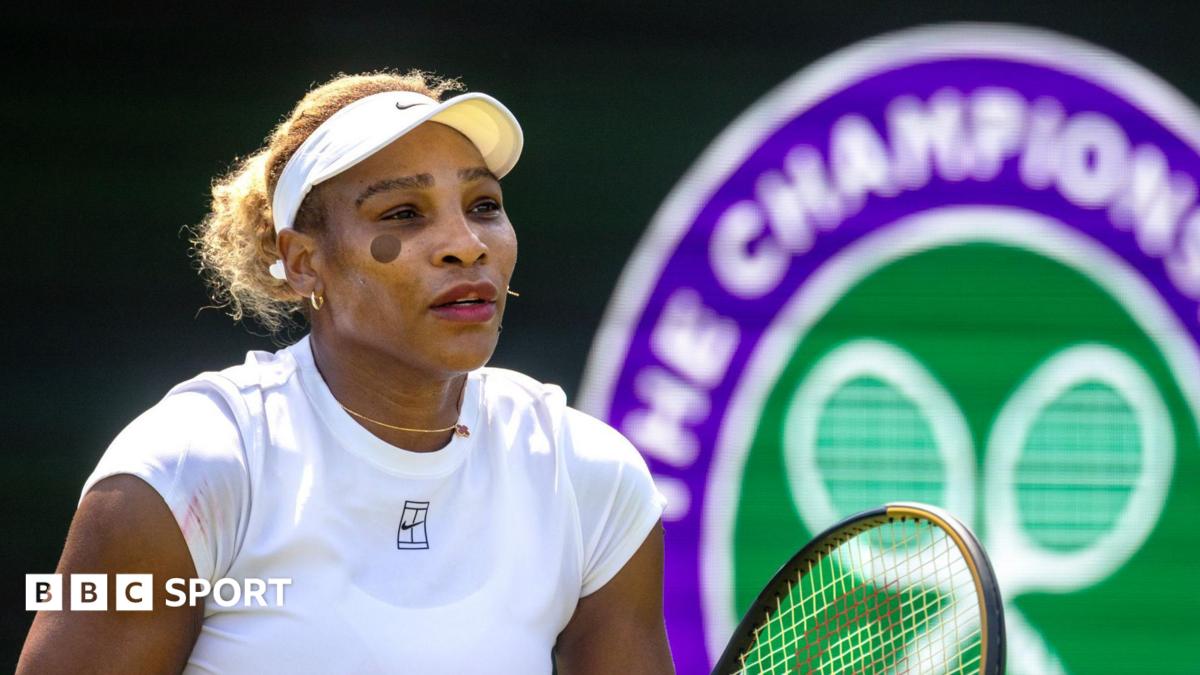
Serena Williams has offered a rare glimpse into the practical hurdles behind a possible return to tennis, saying the sport’s anti-doping testing requirements were so demanding that they nearly discouraged her from attempting a comeback. For a player whose name has defined an era of women’s tennis, the remark adds an important layer to the conversation around how elite athletes re-enter the professional game after time away.
Williams’ comments matter because they go beyond the usual questions of fitness, motivation and match sharpness. In modern tennis, any comeback is shaped not only by physical readiness but also by the administrative and regulatory demands that come with being part of the anti-doping system. For a former world-dominant champion, that process can still be a significant obstacle, especially after a long absence from competition.
What Williams’ comments reveal about a comeback
The BBC report says Williams described the testing protocols as “gruelling” and said they almost put her off returning. That framing is notable because it suggests the challenge was not simply about training or rebuilding form. It also highlights how tightly controlled professional tennis remains, with players expected to meet strict compliance standards even when they are not active on court.
For supporters, the story is another reminder that a comeback from a player of Williams’ stature would never be straightforward. Any return would carry huge attention, but it would also involve a long runway of preparation and a return to the routines that active players must follow continuously. The fact that the testing process itself became a barrier shows how much off-court discipline is part of the modern sport.
Why the story still resonates in tennis
Williams remains one of the most influential figures in tennis history, and even brief comments about her future plans draw major interest. That is partly because her career has always carried significance beyond results: she has shaped the sport’s competitive standard, its global profile and the expectations placed on elite athletes.
From a broader perspective, the report also speaks to the realities of elite sport in the post-peak phase of a career. Fans often focus on whether a star can still win matches, but the path back is usually more complicated than that. Regulatory obligations, timing and the mental burden of re-entering a highly scrutinised environment can all affect whether a comeback actually happens.
For now, the BBC report does not confirm a return, only that Williams was close to being put off by the process. Even so, the comments are enough to fuel discussion among tennis followers about what a comeback would require and whether the sport’s most recognisable names can ever truly step away for good.
Source note: This article was prepared using publicly available information from BBC Sport and expanded with editorial context.
Share this content: