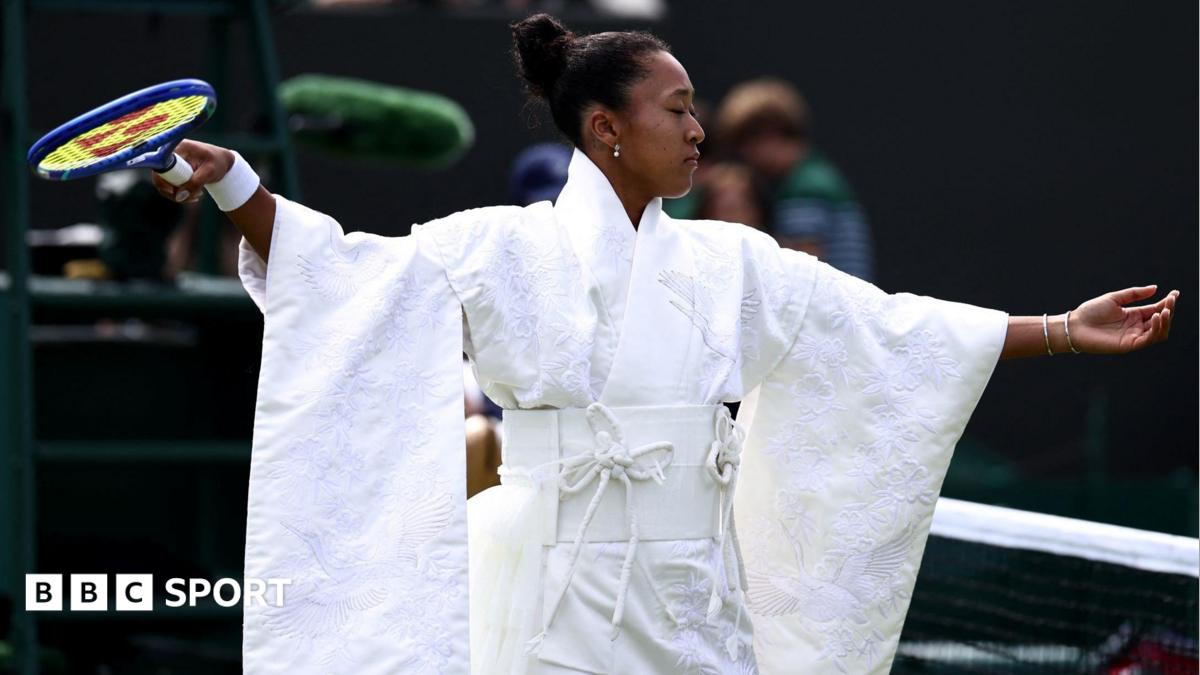
Naomi Osaka’s latest Wimbledon appearance is a reminder that elite tennis is not only about rankings, serve percentages and match tactics. It is also about identity, presentation and the small but meaningful ways players express where they come from. According to BBC Sport, Osaka “pays love and respect to Japan” through a kimono-inspired look, a choice that had to be adapted carefully to fit Wimbledon’s famously strict dress code.
For a player who has long been recognised for her bold on-court style, the outfit is more than a fashion note. It sits at the intersection of sport and culture, where individual expression is often constrained by tournament rules. Wimbledon has built much of its image around tradition, and that makes any deviation from its visual norms especially significant. Osaka’s look therefore becomes part of the event’s wider story: how modern athletes negotiate heritage, branding and the expectations of the sport’s most conservative stage.
Why the outfit matters beyond fashion
The BBC report makes clear that the kimono inspiration was not a casual styling decision. It required special thought to remain compatible with Wimbledon’s regulations. That detail matters because it shows how top players now operate in a space where image is scrutinised almost as closely as performance. Osaka’s choice signals respect for Japanese culture while also acknowledging the boundaries imposed by one of tennis’s most tradition-heavy tournaments.
For supporters, especially those who follow Osaka beyond the scoreboard, this is part of what makes her compelling. She has often been a player whose public presence extends well beyond the baseline. Her clothing choices, like her broader profile in the sport, tend to generate conversation because they carry meaning. In a tournament where white clothing and uniformity are central to the aesthetic, a culturally referenced outfit stands out even more.
What it says about Wimbledon and modern tennis
The story also reflects a broader shift in tennis. The sport still values heritage, but its biggest stars increasingly bring personal narratives into view. That can create tension, but it also enriches the event. Osaka’s appearance shows that tradition and individuality do not have to be mutually exclusive, even if they require careful compromise.
There is no match result or tactical angle in the source, but the significance is still clear. This is a story about how a global player uses one of tennis’s biggest stages to communicate respect, identity and style at the same time. For Wimbledon, it is another example of how the tournament’s strict image continues to shape the way players present themselves. For Osaka, it is a statement that cultural pride can be expressed within the rules, not only outside them.
Source note: This article was prepared using publicly available information from BBC Sport and expanded with editorial context.
Share this content: