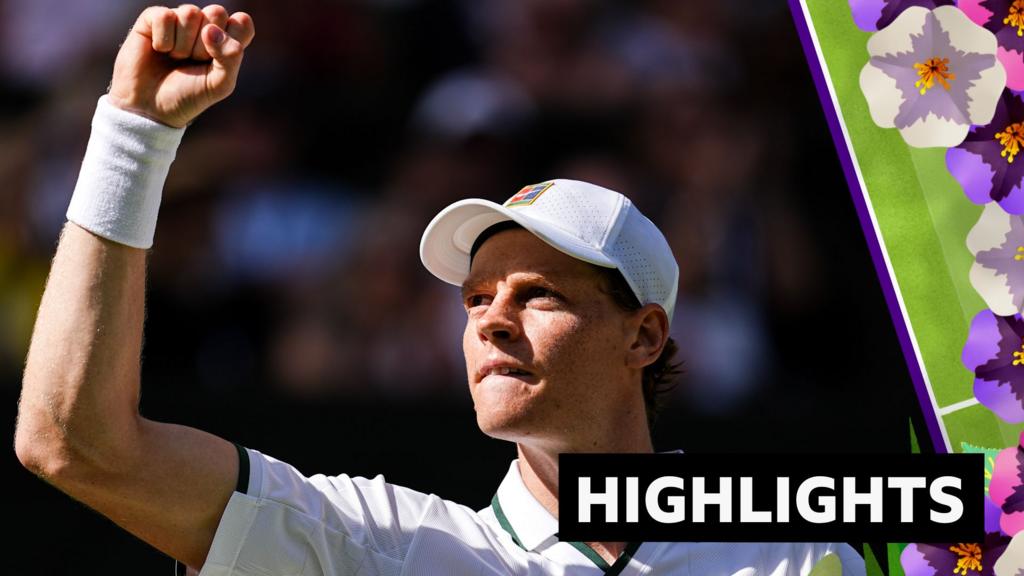
Jannik Sinner’s Wimbledon title defence began with a reminder that even the best-prepared champions can be pushed to the edge in the opening round. The Italian overcame a worrying slip and an injured foot to come from behind and beat Miomir Kecmanovic in five sets, a result that kept his campaign alive but also raised immediate questions about how comfortable his path through the tournament will be.
For a top seed or defending champion, the first round is usually about control, rhythm and conserving energy. Sinner’s match was the opposite: a physical test that demanded resilience as much as shot-making. The fact that he recovered to win in five sets matters not only because it sends him through, but because it shows he can still find a way when the match becomes messy and the body is not cooperating.
A difficult start to a title defence
Wimbledon is a tournament where early momentum can shape the entire fortnight. Grass courts reward confidence, quick movement and clean timing, but they also punish any hesitation. Sinner’s slip and foot issue will naturally be watched closely by supporters and by anyone tracking the title race, because even a minor physical problem can become more significant over the course of a Grand Slam.
From a tactical perspective, the match also underlined the value of staying composed when the favourite is under pressure. Kecmanovic did enough to force Sinner into a long contest, and that in itself is notable. Against a player of Sinner’s quality, extending the match into five sets is often the clearest route to creating doubt. While the source does not provide the full scoreline or set-by-set detail, the outcome alone suggests the Serbian made the defending champion work far harder than expected.
What it means for Sinner and Wimbledon supporters
For Sinner, the positive is obvious: he is through. For his team and supporters, the concern is whether the foot problem was only a brief scare or something that could affect movement in the rounds ahead. On grass, where balance and explosive changes of direction are essential, any discomfort can quickly become a tactical disadvantage.
Still, there is also a psychological benefit to surviving a match like this. Grand Slam champions often need one difficult win to settle into a tournament, and Sinner has already shown that he can absorb adversity and respond. If the injury concern proves minor, this could be remembered as the kind of early scare that sharpens a champion rather than derails him.
What happens next will matter. Sinner’s defence is still intact, but the opening round has already turned his Wimbledon into a test of durability as well as quality. For supporters, that makes the story more compelling: the champion remains in the draw, but the margin for error may already be thinner than anyone expected.
Source note: This article was prepared using publicly available information from BBC Sport and expanded with editorial context.
Share this content: