Hydration breaks are usually treated as a minor footnote in modern football, but BBC Sport’s latest World Cup analysis suggests they may have carried more significance in England’s last-32 comeback against DR Congo. In a tournament where heat, rhythm and momentum can all shape a knockout tie, even a short pause can become a tactical reset.
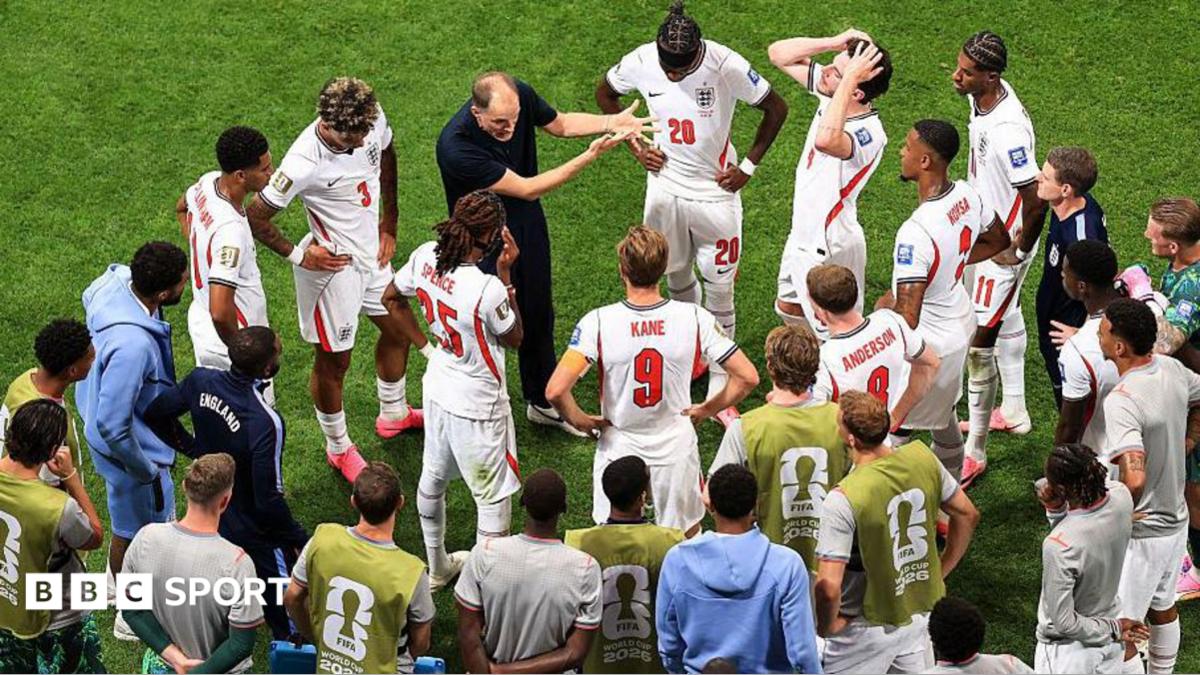
The BBC report focuses on the first hydration break in Wednesday’s match, which drew the customary boos from the crowd. That reaction is familiar in high-stakes football, where supporters often see stoppages as interruptions to flow. Yet for teams under pressure, those same pauses can be valuable moments to regroup, adjust positioning and recover mentally after a difficult spell.
Why the break mattered
England’s comeback context is what makes the discussion interesting. In knockout football, a team chasing the game often needs more than just a change in tempo; it needs a chance to reorganise. Hydration breaks can offer exactly that, especially when the match is being played in conditions that make sustained pressing and concentration harder to maintain.
From a tactical perspective, a stoppage can help a coaching staff reinforce instructions that may not be landing in open play. It can also allow players to settle after a period of pressure, slow the opposition’s momentum and restore shape. For a side like England, with expectations to control matches and manage tournament pressure, those brief pauses can become part of the broader game plan rather than a simple welfare measure.
What it means for supporters
For supporters, the debate is less about the rule itself and more about whether England are learning to use every available edge in tournament football. Fans want to see a team that can adapt when matches become messy, physical or emotionally charged. If hydration breaks are helping England reset and respond, then they may be worth more than the irritation they cause in the stands.
That does not mean the breaks alone decided the outcome. BBC Sport’s framing is careful to present the issue as a question rather than a conclusion, and that is the right approach. A comeback in a World Cup knockout match is rarely explained by one factor. It is usually the product of game management, tactical adjustments, individual quality and the ability to stay composed under pressure.
Still, the article raises a useful point for tournament analysis: in elite football, the smallest pauses can have outsized effects. If England did use the hydration break to reset and recover control, then it is another reminder that modern knockout football is often won in the details as much as in the goals.
Source note: This article was prepared using publicly available information from BBC Sport and expanded with editorial context.
Share this content: