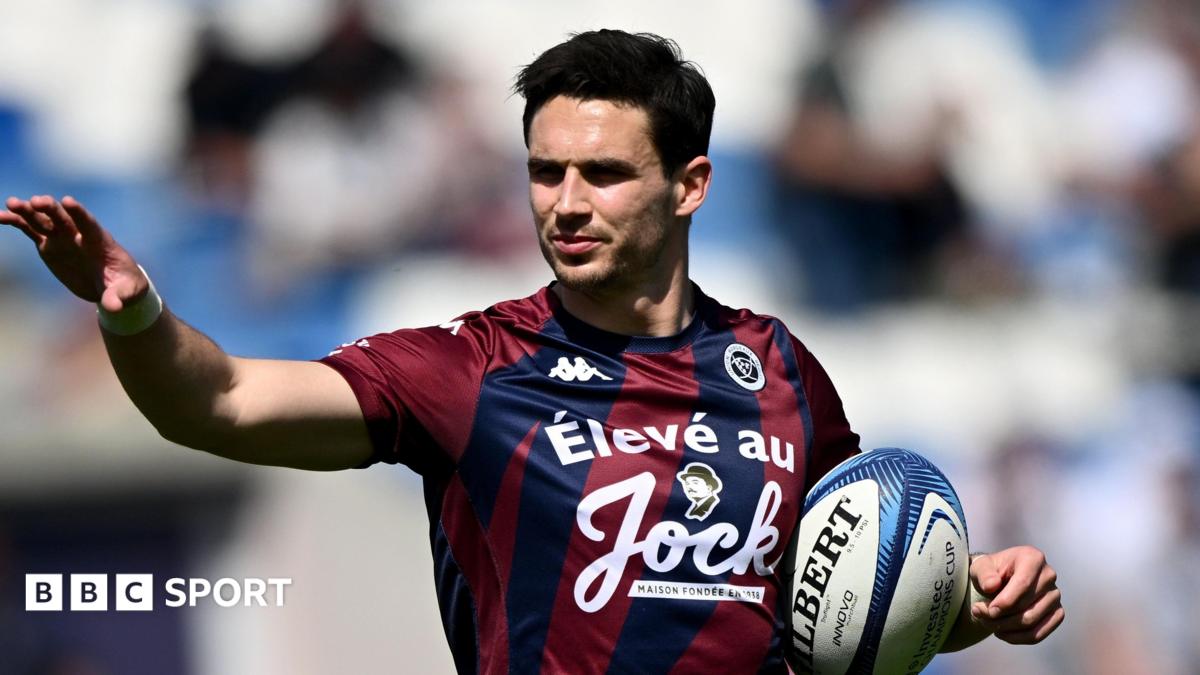
Leinster have confirmed that Ireland international Joey Carbery will return to the province before the 2026-27 season, a move that adds another experienced fly-half option to one of European rugby’s most demanding squads. The announcement is straightforward on the surface, but it carries wider significance for Leinster’s long-term squad planning and for the balance of Irish rugby more broadly.
Carbery’s return arrives in the context of Ciaran Frawley’s departure to Connacht, a change that alters the depth chart in a key position. In modern rugby, the fly-half role is not just about game management and kicking; it is the tactical hub of the team. For Leinster, a club that regularly competes at the sharp end of domestic and European rugby, the quality and availability of players in that position can shape selection, attacking structure and in-game control.
What the move means for Leinster
From a Leinster perspective, bringing Carbery back is a statement of continuity and ambition. Even without additional detail in the announcement, the timing suggests a planned squad adjustment rather than a short-term reaction. Leinster have long been associated with strong internal competition for places, and adding a player with international experience strengthens that environment.
For supporters, the key question is how Carbery fits into a squad that already demands precision and versatility from its half-backs. His return should increase competition for the No 10 shirt and may also give Leinster more flexibility in how they manage injuries, rotation and match-day strategy across a long season.
Why the fly-half picture matters
The fly-half position is often where a team’s identity is most visible. Leinster’s game is built around control, tempo and decision-making, so any change in personnel at 10 can have an outsized impact on how the side attacks and defends. Carbery’s experience at international level makes him a notable addition, especially in a squad where fine margins often decide knockout matches.
Frawley’s move to Connacht also underlines the constant movement within Irish provincial rugby, where player pathways and squad needs can shift quickly. While the source does not provide further detail on contract terms or exact timing beyond “before the 2026-27 season,” the confirmed transfer alone is enough to mark a meaningful reshuffle.
For Leinster fans, the headline is simple: a familiar Ireland international is coming back, and that should deepen the squad at one of the most important positions on the field. For the province, it is a move that looks designed to preserve standards and keep selection pressure high as the next cycle approaches.
Source note: This article was prepared using publicly available information from BBC Sport and expanded with editorial context.
Share this content: