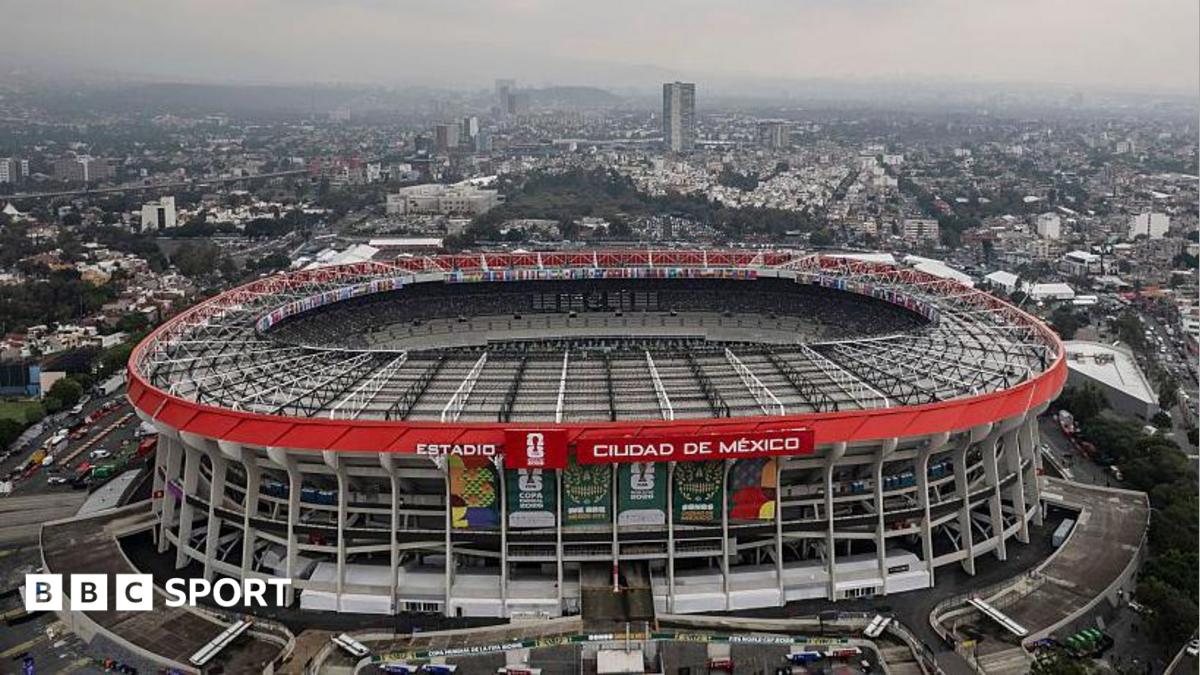
England supporters hoping to follow their team at the World Cup have been confronted by a familiar and controversial problem: tickets bought for Monday’s last-16 match against Mexico have been relisted for eye-watering sums on FIFA’s official resale portal.
The BBC report says some of those tickets are being advertised for as much as £26,000, with FIFA also adding a 15% fee on top of the resale price. That combination turns an already expensive market into one that is far beyond the reach of ordinary fans, and it raises fresh questions about how effectively football’s governing bodies can control secondary ticketing around major tournaments.
Why the resale market matters
For supporters, the issue is not only the headline price. It is the way resale platforms can quickly transform a ticket intended for a genuine match-going fan into a speculative asset. When prices climb to this level, the practical result is that many travelling supporters are priced out, while the atmosphere inside the stadium risks becoming less representative of the fanbase that followed the team through qualification and into the knockout stage.
England’s presence in the last 16 also adds to the demand. Knockout matches at a World Cup are among the most sought-after fixtures in football, and any game involving England tends to attract heavy interest from both domestic and international buyers. That makes the resale market especially volatile, and it explains why tickets can reappear at extreme prices almost immediately after being released.
What it means for England fans
For England supporters, the story is as much about access as it is about price. A World Cup is supposed to be the pinnacle of the international game, but the resale figures reported here underline how quickly that experience can become commercialised. Fans who planned travel, accommodation and time off around the fixture may now find themselves competing with a market that rewards scarcity rather than loyalty.
The BBC’s reporting also highlights the tension between official resale systems and the expectation that they should protect supporters from exploitation. FIFA’s platform is legitimate, but the numbers involved suggest that legitimacy alone does not guarantee fairness. With a 15% fee attached, the governing body also benefits financially from the same market it is meant to regulate.
For England, the broader implication is that demand around the team remains powerful enough to drive extraordinary ticket inflation. For supporters, the concern is simpler: if the official route can produce prices of £26,000, the system is failing to keep major tournament football accessible to the people it is supposed to serve.
Source note: This article was prepared using publicly available information from BBC Sport and expanded with editorial context.
Share this content: