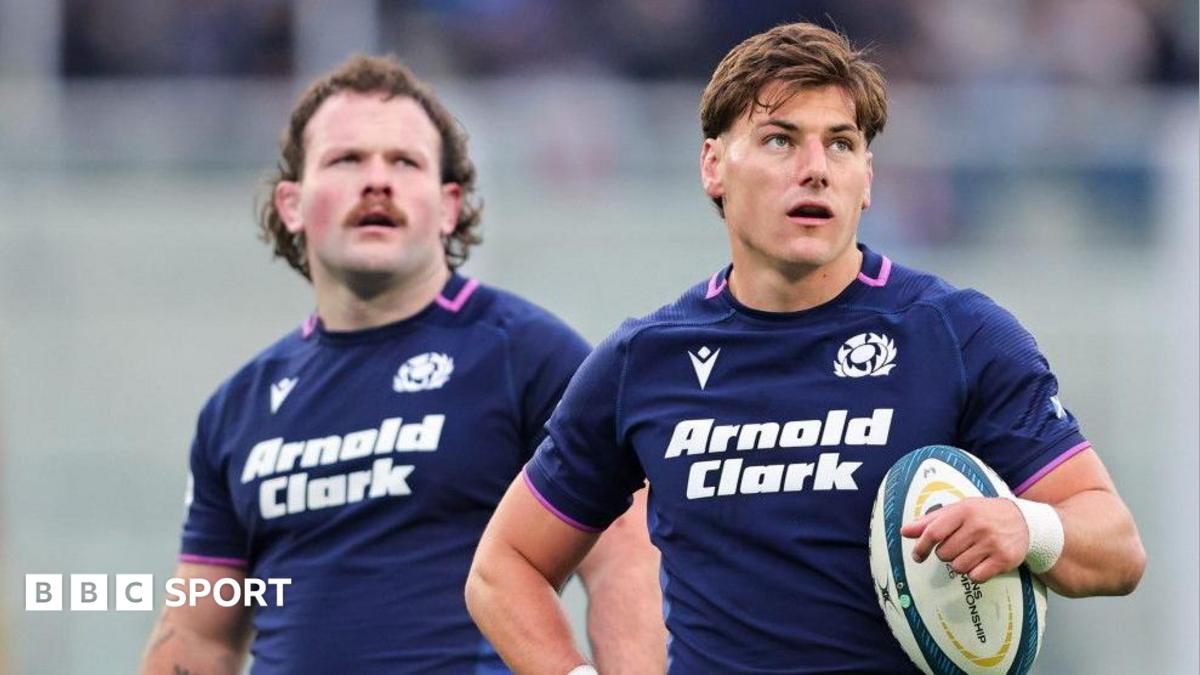
Scotland’s selection debate for the trip to South Africa centres on one of the most influential players in their squad: Finn Russell. BBC Sport’s latest rugby union item frames the question plainly — should Scotland leave their star man on the bench for next week’s visit to the Springboks, or build the side around him from the start?
Even without a full team sheet, the issue is easy to understand. Russell is the kind of fly-half who can change the rhythm of a match with one pass, one kick or one decision under pressure. For Scotland, that makes him both a luxury and a tactical dilemma. Against a physically imposing opponent such as South Africa, the balance between control and creativity becomes especially important.
Why the Russell decision matters
Selection calls around a player of Russell’s profile are rarely just about form. They are also about match plan. If Scotland want to stretch the field, play with tempo and ask South Africa to defend laterally, Russell is a natural fit. If they want to prioritise territory, set-piece pressure and a more conservative opening spell, there is a case for keeping him in reserve and using him later in the contest.
That kind of decision can also affect the rest of the backline. A starting Russell often means Scotland are prepared to take more risks in attack, trusting his vision and distribution to unlock space. Leaving him on the bench, by contrast, suggests a more measured approach early on, with the possibility of introducing him when the game opens up or when fresh ideas are needed.
What it could mean for Scotland supporters
For Scotland supporters, the debate is bigger than one player. It is about how ambitious the team can be against elite opposition and whether the coaching staff believe the best route to victory is to start with their most creative player or save him as an impact option. In a fixture like this, the margin for error is usually small, and the choice at fly-half can shape both momentum and confidence.
South Africa will bring the sort of physical challenge that tests decision-making, composure and discipline. That makes Russell’s role even more significant, because Scotland may need a player capable of turning pressure into points. Whether he starts or waits on the bench, his presence is likely to be central to how Scotland approach the match.
For now, the BBC Sport discussion underlines the key question facing Scotland: is Finn Russell best used as the conductor from the opening whistle, or as the late-game difference-maker who can alter the course of the contest when legs begin to tire?
Source note: This article was prepared using publicly available information from BBC Sport and expanded with editorial context.
Share this content: