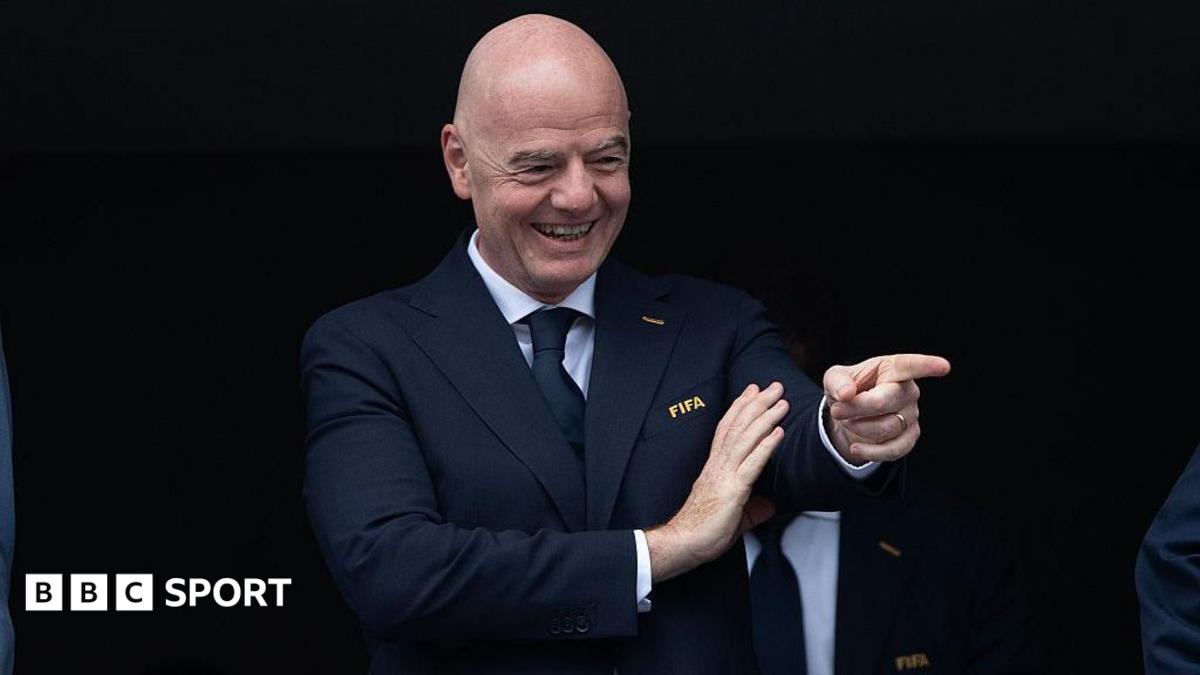
Gianni Infantino has spent a decade at the top of world football’s most powerful governing body, and that longevity matters when assessing how he reacts to criticism. According to the BBC’s framing of the issue, the latest European backlash over Donald Trump’s intervention is unlikely to unsettle the Fifa president in any meaningful way.
That is not simply because Infantino is accustomed to scrutiny. It is because his leadership style has long been defined by political calculation, global positioning and a willingness to operate beyond the traditional comfort zone of European football powerbrokers. For supporters, that means the debate is about more than one headline: it speaks to how Fifa now manages influence, diplomacy and the commercial direction of the game.
Infantino’s decade in charge has changed the tone of Fifa
Infantino’s 10-year spell as president has coincided with a period in which Fifa has increasingly projected itself as a global political actor, not just a sporting regulator. That matters when outside figures such as Trump enter the conversation. The BBC’s report suggests that European anger, while noisy, is unlikely to alter Infantino’s broader approach because he has already shown he is comfortable absorbing criticism if it serves a larger strategic purpose.
For many fans, especially in Europe, that raises familiar questions about accountability and influence. Fifa’s decisions affect the calendar, tournament hosting, commercial partnerships and the overall direction of the World Cup, so any perception of political alignment inevitably becomes a football issue as well as a governance one.
Why the reaction in Europe may not change the outcome
The key point in the BBC’s report is not that the backlash is irrelevant, but that it may not carry enough weight to force a change in Infantino’s stance. European football has often been vocal when it feels the balance of power is shifting away from its traditional centres, yet Fifa’s president has repeatedly shown he is prepared to weather that resistance.
That leaves supporters with a broader concern: whether football’s biggest institutions are being shaped by sporting priorities or by political relationships. The World Cup remains the sport’s most visible event, and any discussion involving Infantino, Trump and European criticism inevitably feeds into the same larger question about who really influences the game’s future.
For now, the BBC’s report points to a familiar conclusion. Infantino is unlikely to be rattled by the latest wave of criticism, because his presidency has been built on surviving it.
Source note: This article was prepared using publicly available information from BBC Sport and expanded with editorial context.
Share this content: