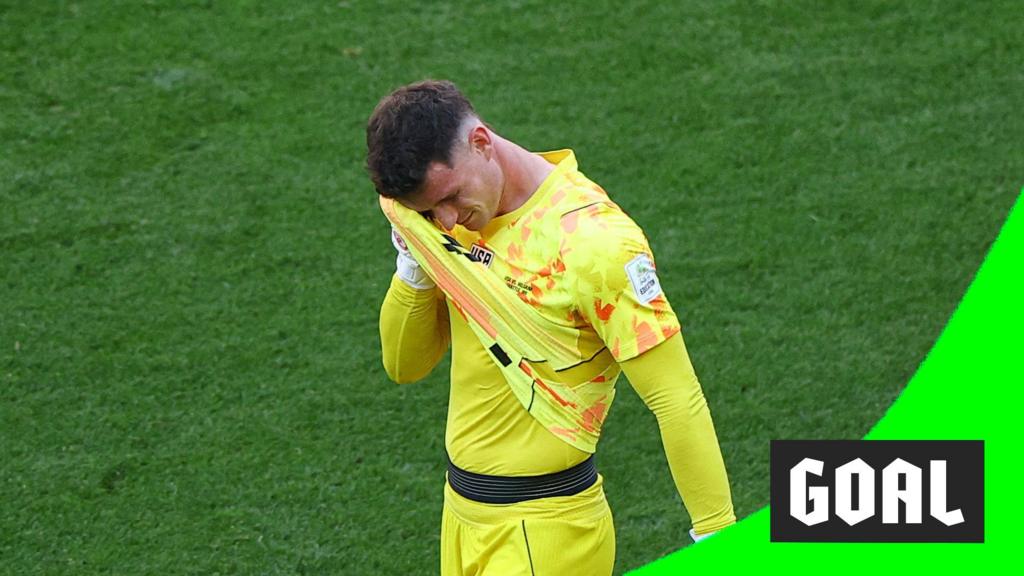
Knockout football often turns on a single lapse, and this BBC Sport clip captures exactly that. United States goalkeeper Matt Freese made a major error in judgement, handing Belgium a third goal and leaving Hans Vanaken with a straightforward finish. In a match already tilting Belgium’s way, the mistake did more than add to the scoreline: it reinforced the sense that the tie had slipped beyond the United States’ control.
The defining feature of this moment is not just the error itself, but the timing. In a last-16 setting, where margins are tight and momentum can swing quickly, a goalkeeper’s decision-making is magnified. A misread pass, a rushed touch or a poor piece of positioning can change the emotional temperature of the game instantly. For Belgium, it was the kind of gift that experienced tournament sides are built to punish. For the United States, it was the sort of setback that can drain belief from a team trying to stay alive in a knockout contest.
Belgium punish the opening
Vanaken’s finish was simple because the opportunity was created by the scale of Freese’s mistake. That matters tactically. Teams that press aggressively or force errors in dangerous areas often do so with the expectation that one clean chance can decide the contest. Belgium did not need a complicated move here; they needed only to stay alert and convert the opening when it arrived.
For supporters, these are the moments that feel especially painful because they are avoidable. Defensive structure can be debated, but a goalkeeper error is the kind of incident that is hard to absorb in real time. It also changes how the rest of the match is played. The trailing side must take more risks, which can create even more space for the leading team to exploit.
What it means for the United States
From a United States perspective, the clip is a reminder of how unforgiving elite international football can be. One mistake from the back line or the goalkeeper can undo long periods of competitive work. In a last-16 tie, that is especially damaging because there is no second leg and no time to recover from a collapse in concentration.
Belgium, meanwhile, will see the moment as confirmation that they were in control when it mattered. Tournament football rewards composure, and this was a clear example of a side capitalising on the opposition’s error rather than allowing the game to drift. For fans, the takeaway is simple: in knockout matches, control is often less about possession and more about who is ruthless when the decisive chance arrives.
The BBC clip’s description of “total calamity” may be blunt, but it reflects the reality of the moment. At this level, a single misjudgement can decide the narrative of an entire tie.
Source note: This article was prepared using publicly available information from BBC Sport and expanded with editorial context.
Share this content: