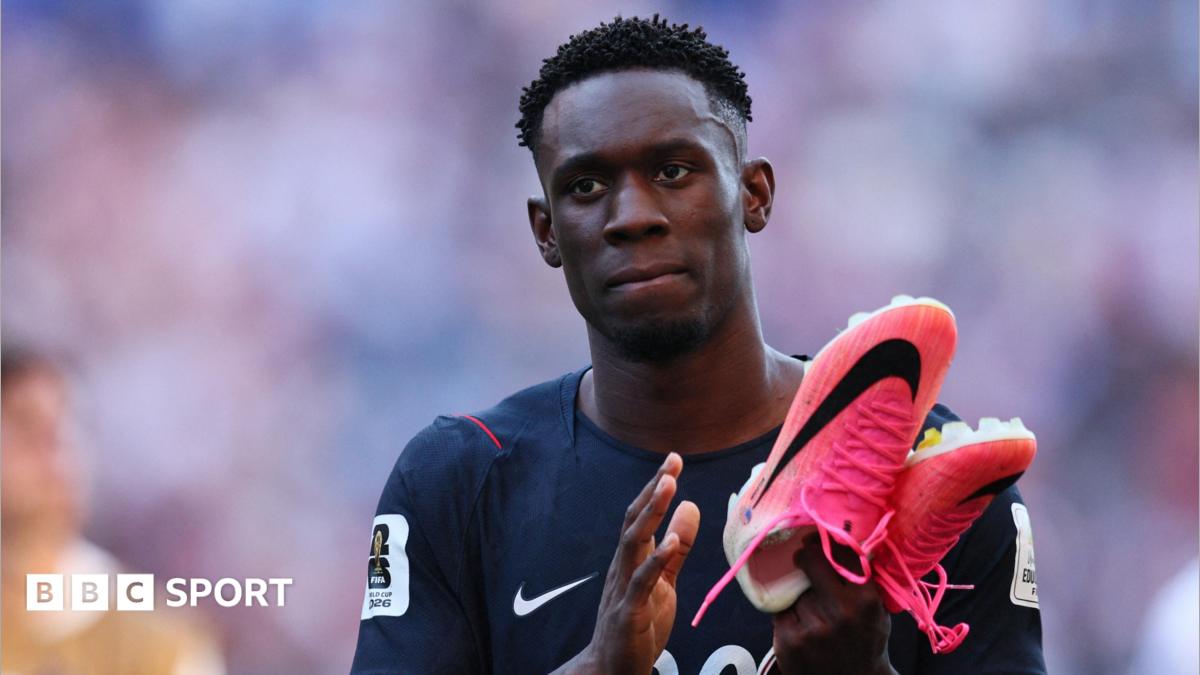
Uefa vice-president Laura McAllister has used the fallout from Folarin Balogun’s World Cup case to issue a broader warning about the direction football could take if political pressure begins to shape disciplinary outcomes. Her concern is not only about one ruling, but about the precedent it may set if governing bodies are seen to be influenced by forces outside the sport.
The immediate flashpoint is Balogun’s avoidance of a ban at the tournament, a decision that has clearly stirred strong reaction. In a sport where eligibility, discipline and tournament integrity are already under intense scrutiny, any suggestion that external pressure can affect outcomes is likely to deepen mistrust among supporters and officials alike.
Why the warning matters beyond one case
McAllister’s language was striking because it went beyond routine criticism. By describing the risk as an “absolute cesspit” of political interference, she was pointing to a fear shared by many in football governance: once decisions are viewed through a political lens, confidence in the rules begins to erode. That matters at every level of the game, from international tournaments to domestic competitions, because consistency is central to credibility.
For supporters, the issue is not just whether one player benefits from a ruling. It is whether the sport can still claim that decisions are made fairly, transparently and without outside influence. In a World Cup environment, where pressure is magnified and every ruling is amplified across social media, the perception of fairness can be almost as important as the ruling itself.
Belgium’s reaction adds to the tension
The controversy was further inflamed when Belgium’s official Instagram account appeared to mock the debacle, posting a picture of striker Romelu Lukaku cupping his ear with the caption “overturn this”. That kind of public response underlines how quickly administrative decisions can spill into national-team rivalry and online confrontation.
It also shows how modern football disputes are no longer contained to official channels. Social media can turn a disciplinary issue into a wider political and cultural argument within minutes, making it harder for governing bodies to manage the fallout. For Uefa and other administrators, the challenge is not only to make the right call, but to preserve trust in the process when emotions are running high.
For fans, the episode is a reminder that football’s biggest tournaments are shaped by more than what happens on the pitch. Governance, communication and discipline now sit alongside tactics and performance as part of the modern game’s competitive landscape. If McAllister’s warning proves accurate, the real damage may not be one isolated decision, but the long-term suspicion it leaves behind.
Source
Attribution: BBC Sport. Read the original report here: BBC Sport article.
Source note: This article was prepared using publicly available information from BBC Sport and expanded with editorial context.
Share this content: