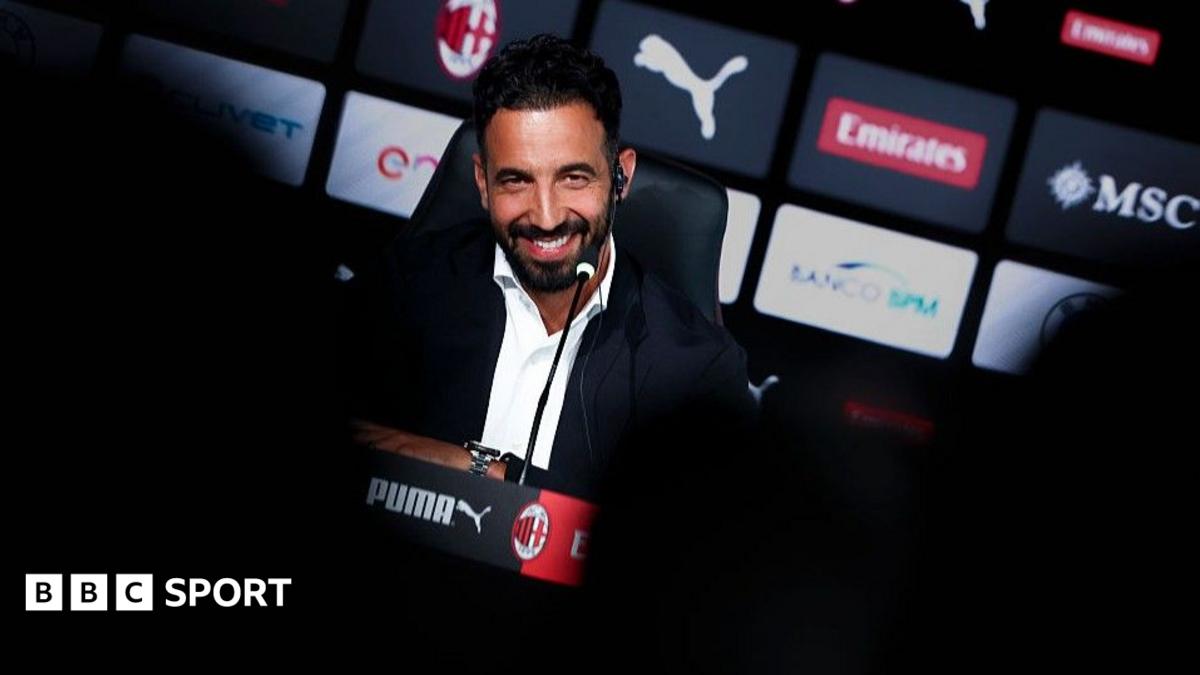
Ruben Amorim has addressed Manchester United supporters for the first time in the BBC Sport report, apologising for his silence since his dismissal in January and saying he remains proud of the spell he had as the club’s coach. It is a brief but notable intervention from a figure whose time at Old Trafford clearly still carries emotional weight for both sides.
For United fans, the comments matter because they arrive against the backdrop of a club that continues to live with the consequences of managerial change. Even without a long statement or a detailed reflection on his exit, Amorim’s words underline how closely supporters still follow the personalities attached to the post-Ferguson era. Any public acknowledgement from a former coach is likely to be read not just as a courtesy, but as a sign of how the relationship ended and how it is remembered.
What Amorim’s apology means
The apology itself is significant because it suggests Amorim felt he had left a gap in communication with the fanbase after his departure. In modern football, where managers are often expected to explain themselves instantly and repeatedly, silence can be interpreted in different ways. Here, the message is simple: he recognises the supporters and does not want the end of his spell to be defined by distance.
His remark that he was proud to have been Manchester United’s coach also gives the story a more reflective tone. That pride does not change the fact that his time in charge ended in January, but it does show that the role still carries prestige even when the outcome is not what either side hoped for. For a club of United’s size, that matters. The manager’s office is never just about results; it is about identity, expectation and the pressure of representing one of the game’s most scrutinised institutions.
Why supporters will care
There is no tactical detail or transfer angle in the report, but the wider implication is clear: United’s fanbase remains sensitive to how former coaches speak about the club. In that sense, Amorim’s apology may be small in scale, yet it is the kind of statement that can soften perceptions and reopen discussion about what went wrong, what was learned and how the club moves forward.
For readers following Manchester United’s ongoing rebuild, the story is less about a major football development and more about the human aftermath of a managerial departure. It is a reminder that even short tenures leave a public record, and that the relationship between a coach and supporters does not end the moment the job does.
Source note: This article was prepared using publicly available information from BBC Sport and expanded with editorial context.
Share this content: