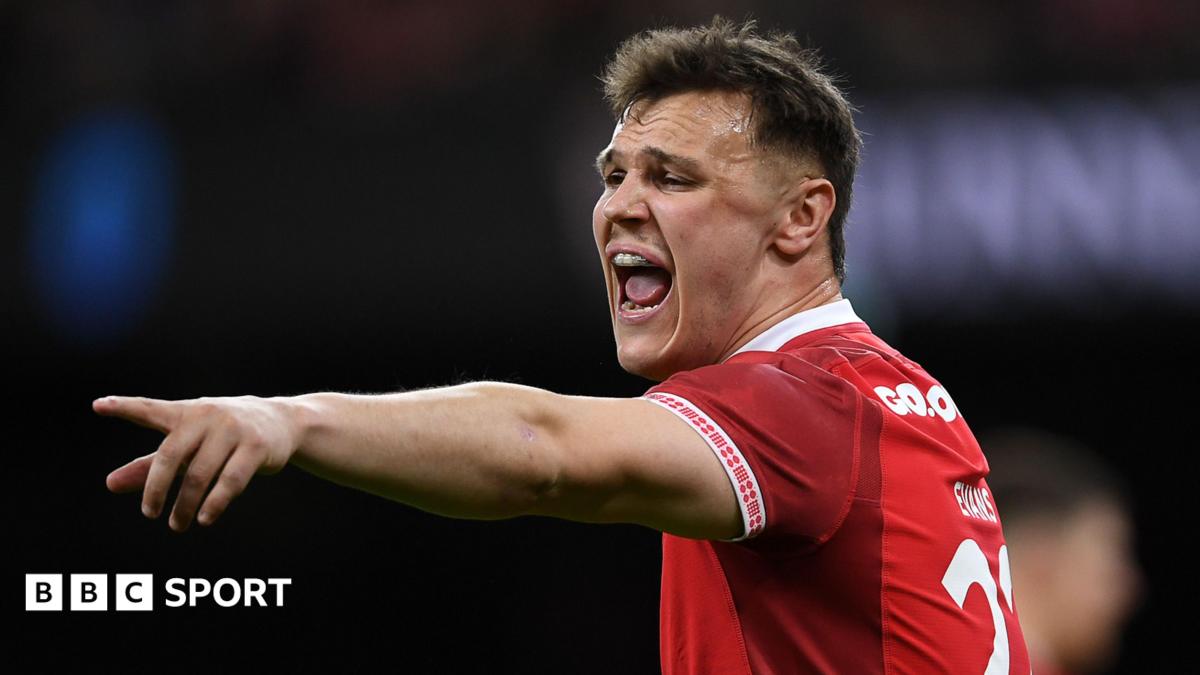
Wales fly-half Jarrod Evans has completed a return to Cardiff after three seasons with Harlequins, a move that restores one of Welsh rugby’s more familiar attacking playmakers to the region where he first built his reputation.
The BBC report places the transfer in the context of Welsh rugby’s wider squad reshaping for the 2026-27 season. For Cardiff, bringing Evans back is more than a sentimental reunion. It is a practical addition of a player who understands the demands of the club, the expectations of the supporters and the pressure that comes with controlling a game from fly-half.
Why Evans matters to Cardiff
Fly-half is one of the most influential positions in rugby, and Cardiff’s decision to bring Evans home suggests a clear desire for stability and experience in the key decision-making role. A player in that shirt is not only responsible for distribution and kicking, but also for setting tempo, choosing territory and helping shape how the team attacks under pressure.
Evans’ return should also be viewed through the lens of squad balance. Clubs do not usually bring back a player of his profile unless they believe he can add immediate value, whether through game management, depth, or the ability to guide younger players in a demanding environment. For supporters, it is the type of signing that can feel both reassuring and symbolic: a known name returning at a time when continuity matters.
What it means for Harlequins and Wales
For Harlequins, Evans’ departure closes a three-season spell in England and removes an experienced option from their fly-half group. The source does not detail the terms of the move, but the timing alone indicates Cardiff have acted early enough to shape their plans for the next cycle rather than wait until the season is already underway.
From a Wales perspective, Evans’ return to a familiar environment may also be significant. Players often benefit from being in a setting where their role is clearly defined and where they can build rhythm through regular minutes. That can matter for both club form and wider international consideration, especially in a position where consistency is closely watched.
Cardiff’s supporters will see this as a statement of intent: not a blockbuster headline, but a targeted move that addresses a key position with a player who knows the club and the league. In a period of ins, outs and re-signings, those are often the deals that shape a season more than the loudest ones.
Source note: This article was prepared using publicly available information from BBC Sport and expanded with editorial context.
Share this content: