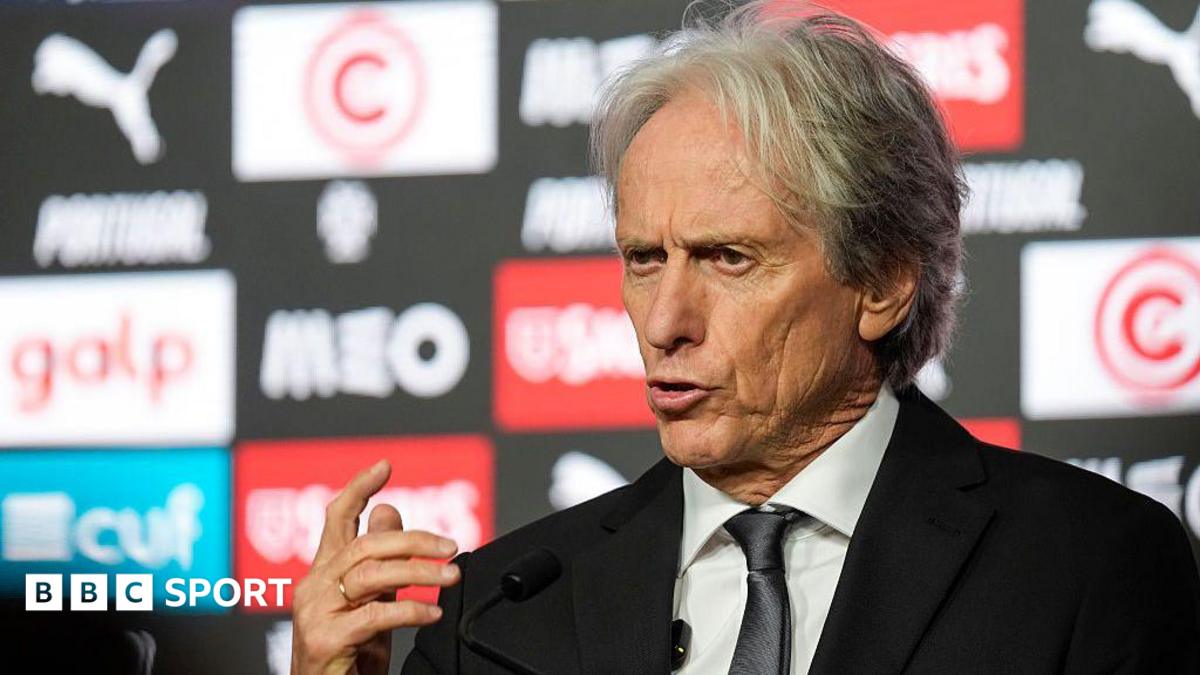
Portugal have turned to Jorge Jesus to lead the national team into a new cycle, appointing the experienced coach on a four-year contract that runs through to the 2030 World Cup. For supporters, the move signals both continuity and change: continuity because Portugal remain built around elite talent and tournament ambition, and change because the federation has opted for a manager with a strong personality, a long club résumé and a clear record of working under pressure.
A reset after Euro disappointment
The appointment comes after Portugal’s 1-0 defeat to Spain in the last 16 of this summer’s tournament, a result that ended their hopes of a deeper run and sharpened scrutiny on the direction of the team. Roberto Martinez had already announced he would step down after serving in the role since January 2023, leaving the federation with a major decision about how to balance experience, leadership and the demands of the next World Cup cycle.
Jesus now inherits a squad that remains one of Europe’s most talented on paper, but also one that must manage the transition between generations while keeping results at the highest level. That is no small task in international football, where limited training time means the coach’s tactical clarity and selection decisions matter immediately.
What the appointment means for Ronaldo and Portugal
The headline for many fans will be the reunion between Jesus and Cristiano Ronaldo. Any coach taking charge of Portugal must deal with the reality that Ronaldo remains central to the national conversation, whether as a starter, a leader, or a late-stage attacking option. Jesus’ arrival adds another layer of intrigue because the relationship between coach and captain will shape how Portugal approach big matches, squad hierarchy and the final phase of Ronaldo’s international career.
From a tactical perspective, Jesus is likely to be judged on whether he can give Portugal more control in possession while preserving the direct threat and individual quality that have long defined the side. The challenge is not simply to win matches, but to do so in a way that maximises the strengths of a squad containing established stars and emerging options.
For Portugal supporters, the appointment is a statement of intent. A four-year deal suggests the federation is thinking beyond short-term fixes and toward a sustained push into the 2030 World Cup, which Portugal will co-host. That brings pressure, but also opportunity: a home tournament cycle can sharpen expectations and create momentum if the early months of Jesus’ reign deliver stability and results.
Jesus arrives with the chance to shape the next chapter of Portuguese football. The margin for error will be small, but the upside is obvious. If he can settle the team quickly, define roles clearly and harness the experience already in the squad, Portugal will believe they can turn a disappointing summer into the start of something more ambitious.
Source note: This article was prepared using publicly available information from BBC Sport and expanded with editorial context.
Share this content: