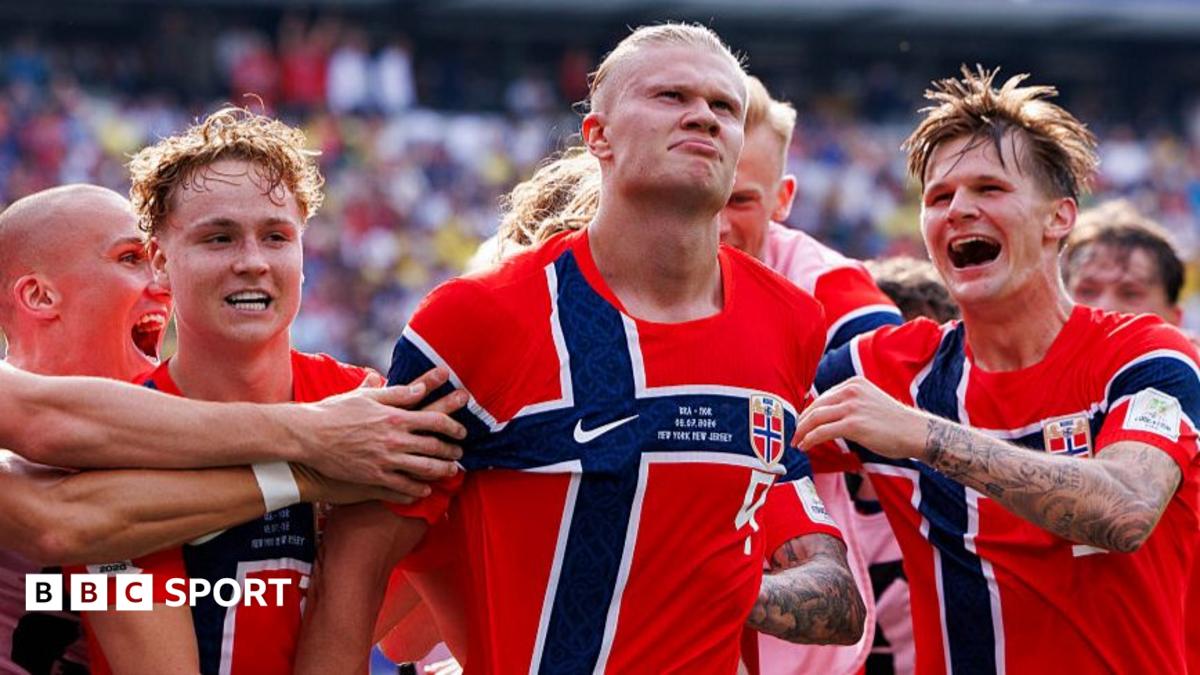
Norway’s emergence as a serious football nation is a reminder that elite international success is rarely built on one player alone. Erling Haaland may be the most visible symbol of the country’s rise, but the broader story is about structures: how young players are developed, where they train, and how a football culture is organised to produce more than isolated talent.
The BBC’s report points to two themes that have helped shape Norway’s so-called golden generation: artificial turf and a coaching revolution. Those details matter because they speak to access and repetition. When a country can give more children more opportunities to play in consistent conditions, the pathway from grassroots football to the elite level becomes less dependent on geography, weather or wealth. For a nation with a population almost the same size as Scotland, that kind of system can have an outsized impact.
Why Norway’s model matters
Artificial turf has long been part of the conversation in Scandinavian football, and in Norway it appears to have played a practical role in widening participation. The benefit is not just that pitches are playable for longer periods of the year; it is that training can be more regular, more predictable and more accessible. That consistency can be crucial in a country where climate would otherwise limit outdoor football for large parts of the year.
The coaching side is just as important. A revolution in coaching suggests a shift away from relying on individual brilliance and toward building a repeatable development model. That is the kind of change supporters often do not see immediately on matchday, but it can define a national team cycle years later. When the same principles are applied across youth levels, the result is usually a deeper pool of players who understand the game in a similar way.
What it means for supporters and rivals
For Norway supporters, the significance is obvious: this is not a one-off generation built around a single superstar, but a football culture that may be capable of sustaining success. Haaland remains central to the country’s profile, yet a stronger development system gives Norway a better chance of staying competitive even when individual players are unavailable or out of form.
For rival nations, Norway’s rise is a warning that modern football development is increasingly about infrastructure and methodology as much as raw talent. Countries that invest in coaching education and reliable playing surfaces can close gaps faster than expected. That makes Norway’s progress relevant well beyond the World Cup itself, because it offers a blueprint for how a smaller nation can compete with the traditional powers.
In that sense, the story is bigger than one striker and one tournament. It is about how a football country builds itself from the ground up, and why the next wave of international contenders may be shaped as much by training environments as by the stars who finish the moves.
Source note: This article was prepared using publicly available information from BBC Sport and expanded with editorial context.
Share this content: