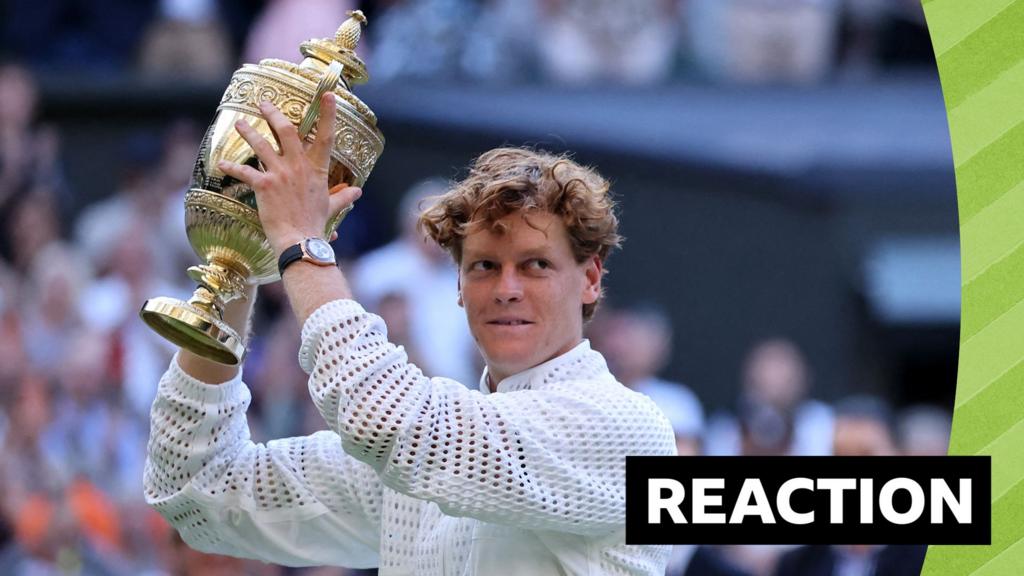
Jannik Sinner’s latest Wimbledon triumph was not just about lifting a trophy. It also underlined how quickly the men’s game can shift when two of its biggest names meet at the top end of a Grand Slam. After defeating Alexander Zverev in four sets in the final, Sinner’s post-match message was as revealing as the result itself: respect for the opponent, and a clear recognition that the race for the world number one spot is far from settled.
Sinner’s warning to the rest of the field
Sinner said Zverev can become a Wimbledon champion soon, a notable endorsement from the player who had just denied him on the sport’s biggest stage. That matters because it frames Zverev not as a one-off finalist, but as a contender whose level is high enough to threaten at future majors. Sinner also said he will need to be “very, very careful” as the German continues to challenge his world number one status, a reminder that rankings pressure now sits alongside the demands of defending major titles.
For supporters, that is the most important takeaway: this was not a final that closed a rivalry, but one that may have opened a new chapter. Sinner’s victory gives him the immediate bragging rights, yet his comments suggest he expects Zverev to remain in the conversation for the biggest prizes. In a sport where margins are tiny, that kind of acknowledgement often signals that the next meeting could be even more competitive.
What the final means for the men’s game
A four-set Grand Slam final is usually a sign that both players have reached a level where tactical discipline and mental resilience matter as much as shot-making. Sinner’s win showed he can handle the pressure of a major final, while Zverev’s run to the title match reinforced his status as a player capable of going deep at the biggest events. The broader implication is that the men’s tour continues to be shaped by a small group of elite players who can trade blows across surfaces and tournaments.
For Wimbledon, the final also offered a familiar but valuable storyline: a champion tested by a rival with the tools to return. Sinner’s praise for Zverev adds a layer of credibility to the result, because it comes from the winner himself. That is often how rivalries harden into something more meaningful than a single match. If Zverev does turn this into a sustained challenge, this final may be remembered as one of the moments that defined the next phase of the season.
For now, Sinner leaves London with the title and the momentum. Zverev leaves with evidence that he belongs in the conversation at the very top. And for fans, that combination is exactly what keeps the sport compelling: a champion who knows he must keep improving, and a challenger who has already shown he can force the issue on the biggest stage.
Source note: This article was prepared using publicly available information from BBC Sport and expanded with editorial context.
Share this content: