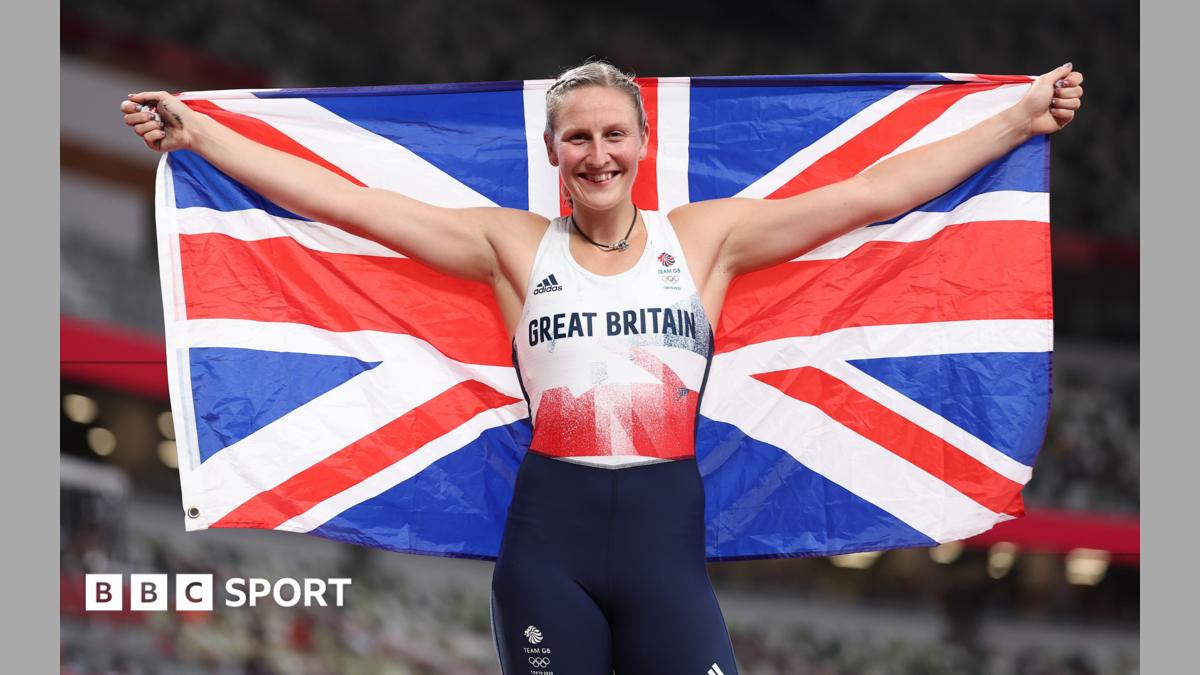
New camera guidance for live female athletics coverage has put a spotlight on how broadcasters frame elite sport, with the aim of making televised events more respectful and less intrusive. The move matters because television presentation does not just document competition; it shapes how athletes are perceived by audiences, sponsors and younger viewers watching the sport for the first time.
According to the BBC source, the new guidelines advise broadcasters to use more respectful camera angles when showing women’s athletics live. That may sound like a technical adjustment, but in practice it speaks to a wider debate about how women’s sport is presented on screen. For supporters, it is another sign that the industry is being pushed to treat female athletes with the same professionalism long associated with the men’s game.
Why the guidance matters
Broadcast standards are increasingly part of the conversation around modern sport. In athletics, where individual performance is central, camera choices can influence whether the focus stays on competition, technique and achievement, or drifts toward angles that feel unnecessary or distracting. The new guidance suggests broadcasters are being encouraged to prioritise dignity and sporting context over spectacle.
That is especially relevant at a time when women’s athletics continues to grow in visibility. Better coverage can help the sport build trust with audiences and reinforce the idea that elite female athletes should be presented with the same care as any other top-level competitors. For fans, that can improve the viewing experience by keeping attention on the race, the field event, or the athlete’s performance rather than on the broadcast style itself.
What it means for the Diamond League
The BBC report also notes an important limitation: the Diamond League, which is broadcast on the BBC, does not go through the European Broadcasting Union and therefore would not necessarily have to follow the guidance. That distinction matters because it shows the new rules are not automatically universal, even if they reflect a broader shift in broadcasting standards.
For athletics supporters, that leaves a degree of uncertainty over how quickly the guidance will be adopted across major events. The principle behind it is clear enough: more respectful coverage of women’s sport. But the practical impact will depend on whether organisers, broadcasters and rights holders choose to apply the same standards beyond the competitions directly covered by the EBU framework.
In that sense, the story is less about a single technical rule and more about the direction of travel in sports media. As women’s athletics continues to command bigger audiences and greater commercial value, the way it is filmed will remain part of the conversation. The new guidance is a reminder that progress in sport is not only measured on the track, but also in how the sport is presented to the world.
Source note: This article was prepared using publicly available information from BBC Sport and expanded with editorial context.
Share this content: