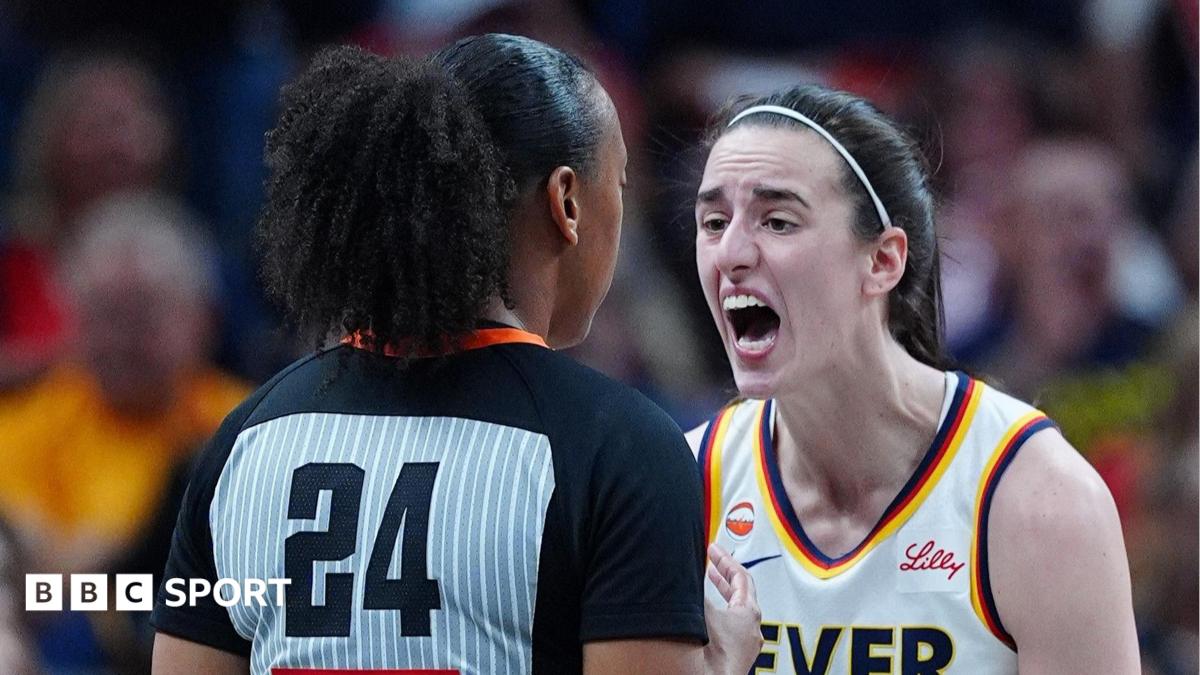
Caitlin Clark’s visible frustration during Indiana Fever’s 88-75 defeat by the Golden State Valkyries has added another layer of scrutiny to a season already defined by intense attention on the WNBA’s biggest young star. According to the BBC report, Clark shouted in the face of referee Gerda Gatling after several decisions went against Indiana, a moment that quickly became part of the wider story of the game.
The reaction matters because Clark is not just another player in the league. As the No 1 pick in the 2024 Draft, she carries the expectations that come with being the face of a franchise and one of the most closely watched athletes in American sport. When the Fever are losing, every emotional response, every officiating complaint and every possession under pressure is magnified.
What the defeat means for Indiana
Indiana’s 13-point loss to Golden State is a reminder that the Fever still have work to do if they want to turn individual star power into consistent team results. Games like this often expose the gap between talent and cohesion: when shots stop falling or momentum swings the wrong way, discipline becomes as important as scoring. For supporters, that is the uncomfortable reality of a team trying to build around a generational guard while also learning how to manage the emotional demands that come with it.
Clark’s reaction also reflects the broader tension that follows elite offensive players through difficult stretches. Opponents defend them aggressively, officials are under constant pressure to manage physical games, and the player herself is expected to stay composed while carrying the offensive load. That combination can lead to flashpoints, especially in a league where every possession is contested and every call is analysed in real time.
Why the moment resonates beyond one game
For Indiana, the concern is not only the result but the optics. A star player confronting a referee is always going to draw attention, particularly when the player in question is already central to the league’s commercial and competitive narrative. Supporters will see the incident in different ways: some will view it as a sign of competitive fire, while others will worry it distracts from the Fever’s need for composure and execution.
From a football-style editorial lens, the key takeaway is simple: teams built around a dominant creator often live and die by how well they handle frustration. Indiana’s challenge is to channel Clark’s intensity into performance rather than controversy. If the Fever can do that, moments like this become footnotes. If they cannot, they risk becoming part of a pattern that opponents will look to exploit.
Source note: This article was prepared using publicly available information from BBC Sport and expanded with editorial context.
Share this content: