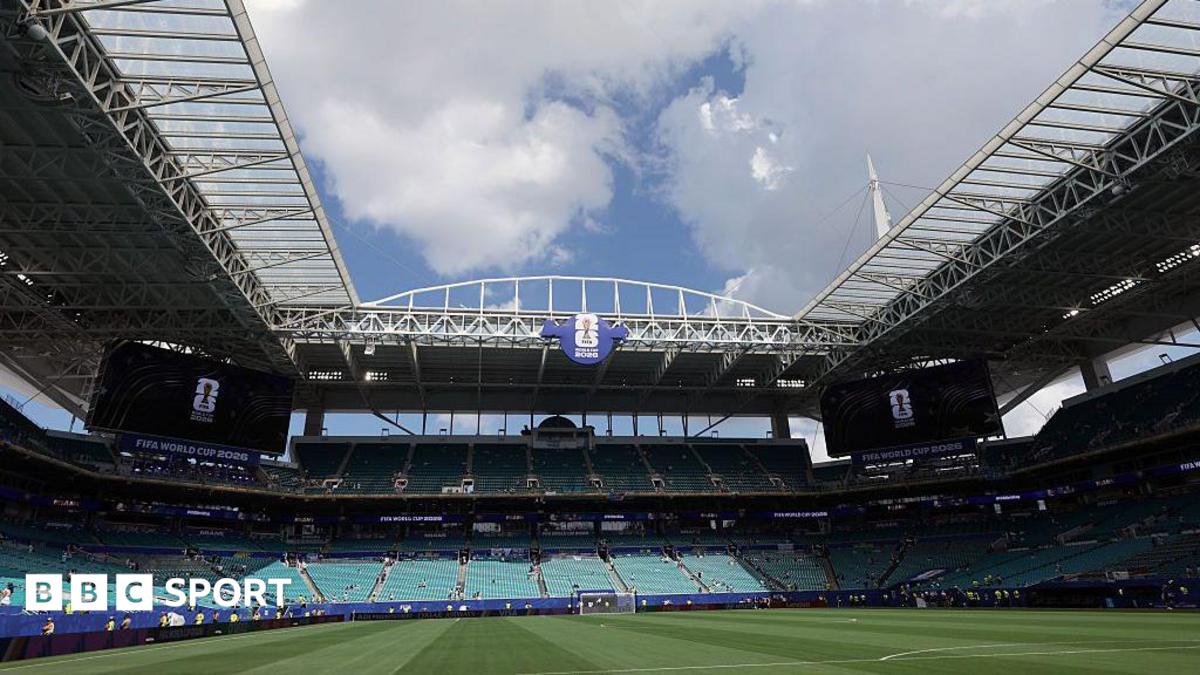
England’s bronze medal meeting with France still has thousands of tickets available, with FIFA’s ticket sites listing around 7,000 unsold seats ahead of Saturday’s World Cup third-place match. It is a reminder that, even at the biggest tournament in football, the game for third place can struggle to generate the same demand as the final stages of the competition.
What the ticket numbers suggest
The figure does not change the importance of the match for the teams involved, but it does highlight a familiar issue for tournament organisers: the bronze medal game often sits in an awkward place in the calendar. Supporters who have already invested heavily in following their teams through the tournament may be less inclined to travel again for a match that does not decide the title.
For England and France, though, there is still a meaningful competitive edge to the fixture. A third-place match offers a chance to finish the tournament on a positive note, avoid the disappointment of ending with a defeat, and give players and supporters a final moment of momentum before the long return to club football. For squads that have spent weeks under pressure, that matters.
Why the match still matters on the pitch
From a football perspective, the bronze medal game can also serve as a final test of squad depth, resilience and motivation. Managers often have to balance fatigue, injuries and emotional recovery after a semi-final exit, while players must quickly reset for one last competitive outing. That can produce a different kind of match: less about caution, more about who can recover mentally and physically fastest.
For supporters, the ticket availability may be a sign of the practical realities of tournament football rather than a reflection of interest in the teams themselves. England and France remain two of the most supported sides in the game, but the third-place fixture is rarely the easiest sell. The atmosphere, however, can still be shaped by travelling fans and by those who see the game as a chance to end the World Cup with a result worth celebrating.
BBC Sport’s report also points viewers toward broadcast coverage of the World Cup on the BBC and ITV, ensuring the match remains accessible even if the stadium is not close to full. In that sense, the story is less about a lack of significance and more about the gap between the prestige of the tournament and the appeal of its consolation fixture.
Source note: This article was prepared using publicly available information from BBC Sport and expanded with editorial context.
Share this content: