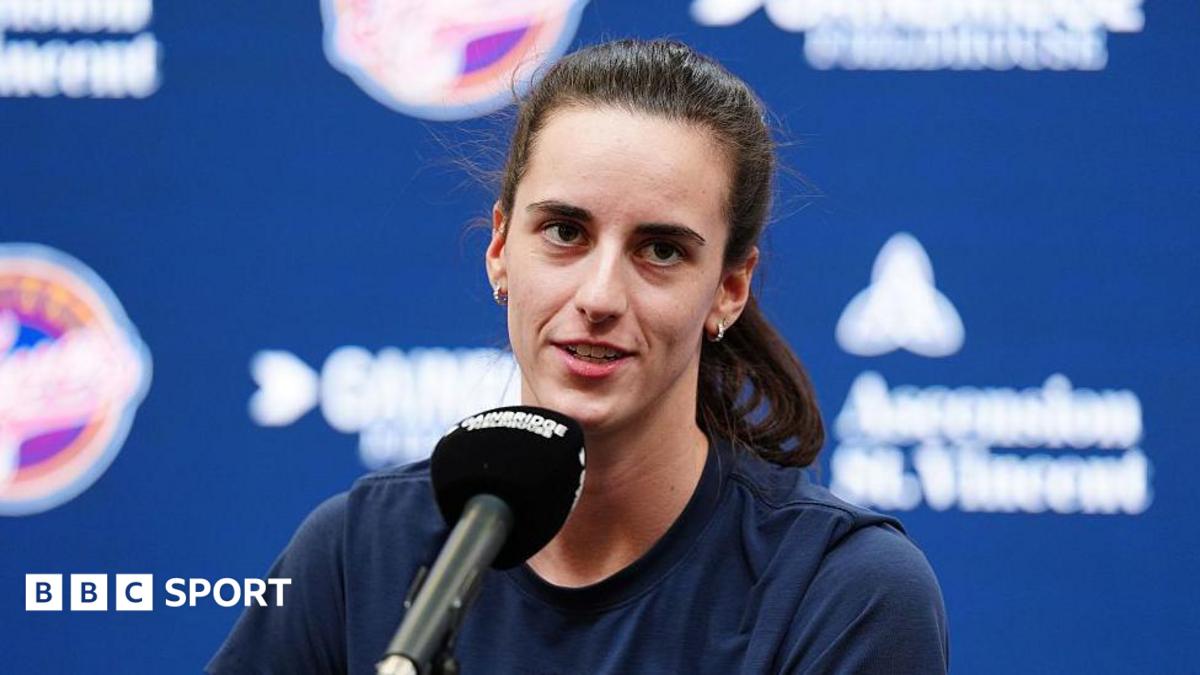
Caitlin Clark’s rise has already transformed the Indiana Fever into one of the most watched teams in women’s basketball, but the latest comments from NBA commissioner Adam Silver underline how far the conversation around her has moved beyond the court.
Silver described Clark as a “political football” in the United States and said the argument over fouls committed against her is “not largely about officiating”. That is a significant framing from one of the most powerful figures in basketball, because it suggests the noise around Clark is now being shaped by culture, media attention and wider public debate as much as by the actual calls made by referees.
Why the debate matters for the Fever
For Indiana, the issue is not simply about one player’s frustration. Clark is the focal point of the Fever’s attack and the main reason every game involving the team now carries extra scrutiny. When a star draws that level of attention, every hard foul, every missed whistle and every emotional reaction becomes part of a much bigger story.
That can be a burden as much as a boost. On one hand, Clark’s profile brings huge visibility to the Fever and to the WNBA more broadly. On the other, it places her in the middle of arguments that can distort how supporters, officials and commentators interpret what is happening on the floor.
What Silver’s comments say about the wider climate
Silver’s intervention matters because it acknowledges that the discussion around Clark is no longer just a basketball issue. When a player becomes a symbol in a broader debate, the sport can lose some of the clarity that should come from focusing on performance, discipline and officiating standards.
Clark’s reaction this week, when she yelled at a referee and used an expletive after calls went against her team, shows how intense the pressure has become. For supporters of the Fever, that frustration will be familiar: it is the kind of emotional flashpoint that often comes when a team’s star feels the game is being officiated inconsistently or unfairly.
For the league, the challenge is to keep the conversation grounded in the basketball itself. Clark’s presence has been a major commercial and sporting lift, but it has also created a spotlight that magnifies every dispute. Silver’s comments suggest the NBA and wider basketball leadership are aware that the debate around her is now about more than foul counts and free throws.
That makes the coming weeks important not only for Clark and Indiana, but for the way the sport manages its biggest star. If the Fever can channel the attention into results, the noise around officiating may fade. If not, every whistle is likely to be examined through the same increasingly political lens.
Source note: This article was prepared using publicly available information from BBC Sport and expanded with editorial context.
Share this content: