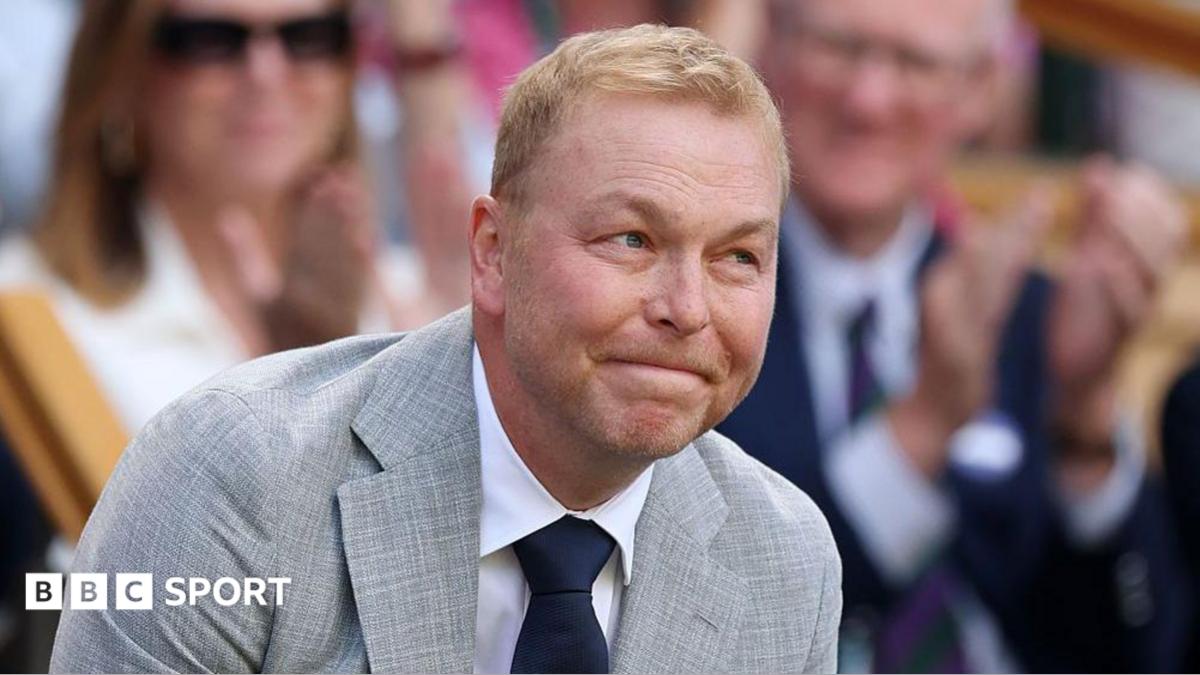
Sir Chris Hoy has offered a public vote of confidence in Glasgow’s Commonwealth Games, saying the event can still be a “massive success” even though it will be staged in a scaled-down format. For a city with strong sporting memories and a history of hosting major events, that endorsement matters: Hoy is not just a decorated athlete, but one of Scotland’s most recognisable sporting figures.
The BBC report says the Games begin next week, and Hoy’s comments frame the tournament as more than a logistical exercise. They point to the emotional pull of the Commonwealth stage, especially for athletes and supporters who associate the event with national pride, opportunity and a rare multi-sport atmosphere. Even with a reduced programme, the expectation is that Glasgow can still deliver a meaningful sporting occasion.
Hoy’s backing gives Glasgow a familiar sporting voice
Hoy’s perspective carries weight because of his own history with the Commonwealth Games. The source notes that he has fond memories of the competition, which helps explain why he is comfortable backing Glasgow despite the compromises that come with a smaller-scale edition. In practical terms, that kind of support can help shape public perception: when a figure of Hoy’s stature says the event will succeed, it reassures supporters that the core value of the Games remains intact.
For organisers, the challenge is clear. A scaled-down format can raise questions about ambition, atmosphere and long-term legacy. But Hoy’s comments suggest that success should not be measured only by size. It can also be judged by how well the event connects with the city, how smoothly it runs and how strongly it resonates with the athletes competing in it.
What it means for supporters and the event’s legacy
For supporters, the message is straightforward: Glasgow still has the chance to stage a memorable Games, even if the format is not as expansive as in previous editions. That matters in a city where major sporting events are often viewed through the lens of civic identity as well as competition. A successful Games can strengthen confidence in future event hosting and keep the Commonwealth brand relevant at a time when multi-sport events are under pressure to justify their scale.
Hoy’s final line in the BBC report is also telling. “Right now, it’s all good and I’m sure I’ll have a great time at the Games.” It is a simple remark, but it captures the tone of cautious optimism around the tournament. The real test will come once competition begins, but Glasgow at least has one of its most respected sporting voices firmly on side.
Source note: This article was prepared using publicly available information from BBC Sport and expanded with editorial context.
Share this content: