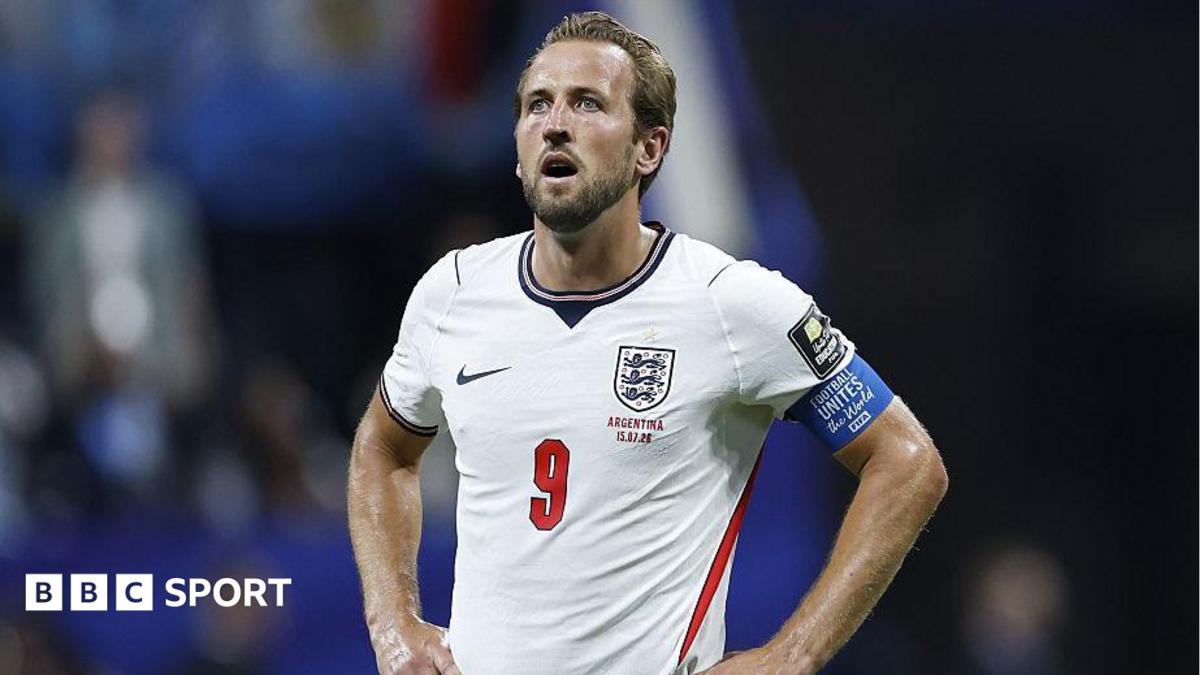
England’s long-running reliance on Harry Kane is once again under the spotlight, not because of anything he has done wrong, but because the conversation around succession is becoming impossible to avoid. BBC Sport’s latest piece asks whether the national team could eventually face a future without a classic centre-forward, and whether a false nine system might become part of the answer.
Kane’s response to a question about the 2030 World Cup was measured and familiar: he said it was “too early to talk about that”. That line may not settle the debate, but it does underline the reality that England are already thinking beyond the present cycle. For supporters, the issue is not simply whether Kane remains available in five years’ time. It is whether England can preserve their attacking identity if and when they have to replace a striker who has defined the side for so long.
Why the question matters for England
Kane has been more than a goalscorer for England. He has often been the focal point of the attack, the reference for build-up play and the player around whom others can rotate. That makes the idea of a false nine especially relevant. A system without a fixed central striker can create more movement between the lines, but it also demands technical precision, timing and runners from midfield and wide areas.
For England, that tactical shift would not just be about replacing goals. It would be about redistributing responsibility. The team would need players comfortable receiving under pressure, linking play and attacking space from deeper positions. In tournament football, where opponents often sit compact and deny central space, that flexibility can be valuable. But it also carries risk if the side lacks a natural penalty-box presence.
What supporters should take from the debate
At this stage, the false nine discussion is more a strategic question than a confirmed plan. Kane remains central to England’s immediate prospects, and the BBC report does not suggest any imminent change. Still, the fact that the topic is being discussed now is significant. It reflects a wider truth about international football: successful teams do not only prepare for the next match, they prepare for the next era.
For England fans, that means watching not only Kane’s form and fitness, but also how the squad evolves around him. If the national team eventually does move toward a more fluid attacking shape, it will likely be because the player pool and tournament demands make that the most practical route. For now, the debate is about planning, not panic.
Source note: This article was prepared using publicly available information from BBC Sport and expanded with editorial context.
Share this content: