The World Cup bronze final is one of football’s most curious fixtures: a match that sits outside the glamour of the title race, yet has remained part of the tournament for generations. BBC Sport’s latest piece asks whether it is an unwanted extra game or a contest with a genuine place in the sport’s biggest event.
According to the source, the bronze final has been staged at every FIFA World Cup for the past 72 years. That longevity matters. In a tournament built on knockout drama, the third-place match has survived because it offers something different: a final chance for two eliminated teams to leave with a result, a medal and a sense of closure after the disappointment of missing the final.
A fixture with a split identity
For supporters, the bronze final can feel contradictory. On one hand, it is not the match teams dream about when the tournament begins. On the other, it still carries international significance, especially for nations that have never reached the final and view any podium finish as a major achievement. That tension is what gives the fixture its odd appeal.
From a footballing perspective, the game can also be shaped by the psychology of the moment. Teams arriving at the bronze final have usually just suffered the emotional blow of a semi-final defeat, which can affect intensity, selection and approach. Yet that same context can produce a more open contest than a typical knockout tie, with both sides willing to take risks rather than protect a season-defining result.
Why the match still matters
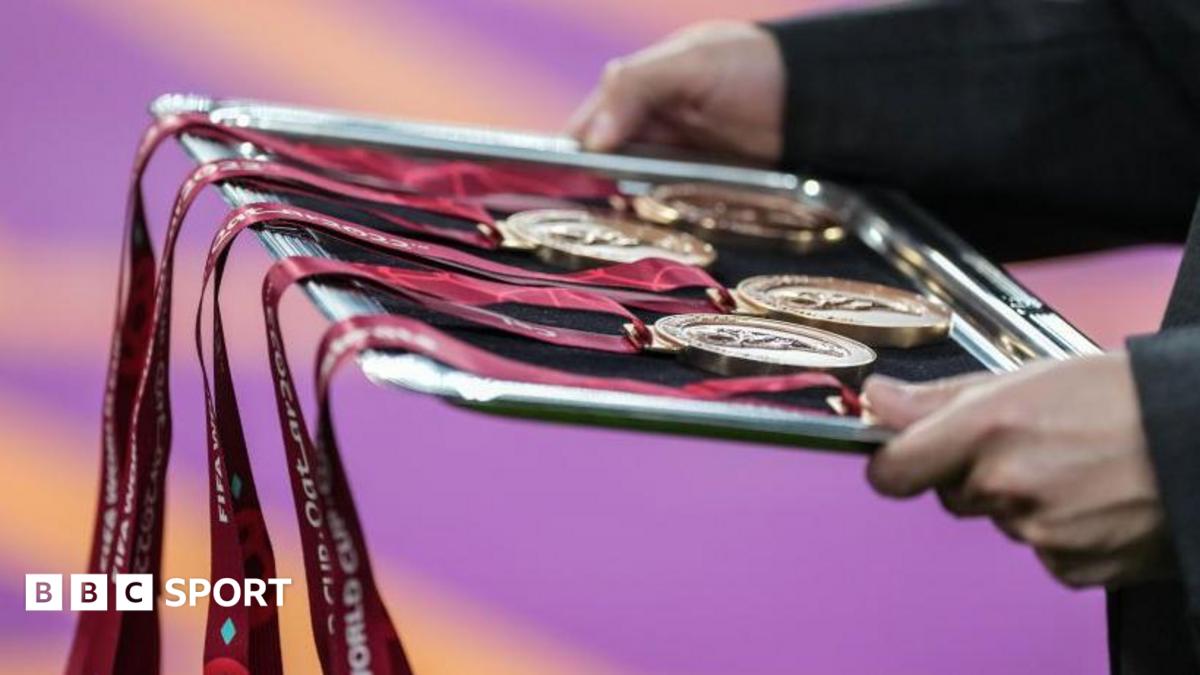
The bronze final also has practical value for players and federations. A World Cup medal is still a World Cup medal, and for some squads the difference between fourth and third place can influence how a campaign is remembered back home. For supporters, it is a final opportunity to see their team on the global stage before the tournament closes.
The BBC Sport article’s framing suggests the debate is less about whether the fixture is historically established and more about whether modern audiences still see enough meaning in it. In an era when every match is scrutinised for entertainment value, the bronze final has to justify itself not through title stakes, but through narrative, pride and the chance to finish on a high.
BBC’s coverage reminder also underlines the fixture’s continued visibility. Even if it does not command the same attention as the final, the bronze match remains part of the World Cup’s broadcast package and part of the tournament’s wider story.
For fans, that makes the bronze final a rare kind of football match: not essential to the crown, but still capable of carrying emotional weight. Whether it is viewed as an unwanted tie or a contest with a golden layer, it remains a fixture that refuses to disappear.
Source note: This article was prepared using publicly available information from BBC Sport and expanded with editorial context.
Share this content: