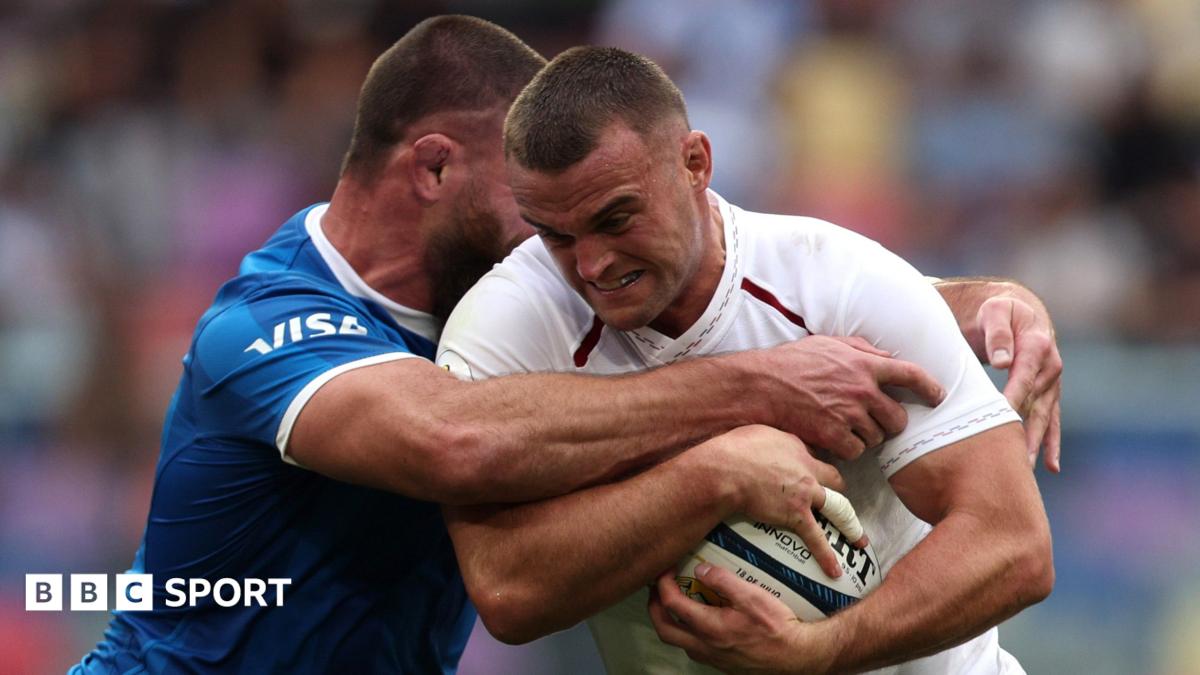
Ben Earl’s intervention on the Nations Championship comes at a moment when player welfare and tournament design are once again under the spotlight. According to BBC Sport, the England back-rower wants changes to the format after what he described as England’s “brutal” schedule in the summer leg of the inaugural competition.
For supporters, the comment matters because it goes beyond one player’s frustration. It speaks to a wider debate in modern international rugby: how to create a competition that is commercially attractive and competitive without overloading players in an already demanding calendar. The fact that Earl has raised the issue publicly suggests the concerns are not limited to the dressing room, but are part of a broader conversation about the shape of the international game.
Why the format debate matters
The Nations Championship is still in its early stages, which makes criticism at this point especially significant. New competitions often need time to settle, but early feedback from players can influence how administrators refine the structure. If the schedule is perceived as too punishing, the risk is not only fatigue but also reduced performance quality and a diminished product for fans.
England’s summer leg being described as “brutal” also hints at the physical and mental strain placed on players during condensed international windows. In rugby union, where collisions are frequent and recovery time is crucial, even small adjustments to scheduling can have a major impact on availability and form. That is why Earl’s comments are likely to resonate beyond England, with other nations and clubs often watching closely when player workload becomes a talking point.
What it means for England and the wider game
For England, the issue is both immediate and strategic. If senior players feel the format is too demanding, it may affect preparation, selection and long-term planning. For the wider game, the debate touches on a familiar tension between the demands of elite competition and the need to protect players across a long season.
BBC Sport’s report does not provide further detail on specific proposed changes, but Earl’s stance is clear enough to frame the discussion: the current format may need adjustment if it is to work for players as well as organisers. For fans, that raises an important question about what kind of international rugby calendar best balances intensity, fairness and sustainability.
As the inaugural Nations Championship develops, this is the sort of early criticism that can shape its future. Whether administrators respond will determine if the competition becomes a lasting feature of the calendar or a format that needs significant revision before it can fully settle.
Source note: This article was prepared using publicly available information from BBC Sport and expanded with editorial context.
Share this content: