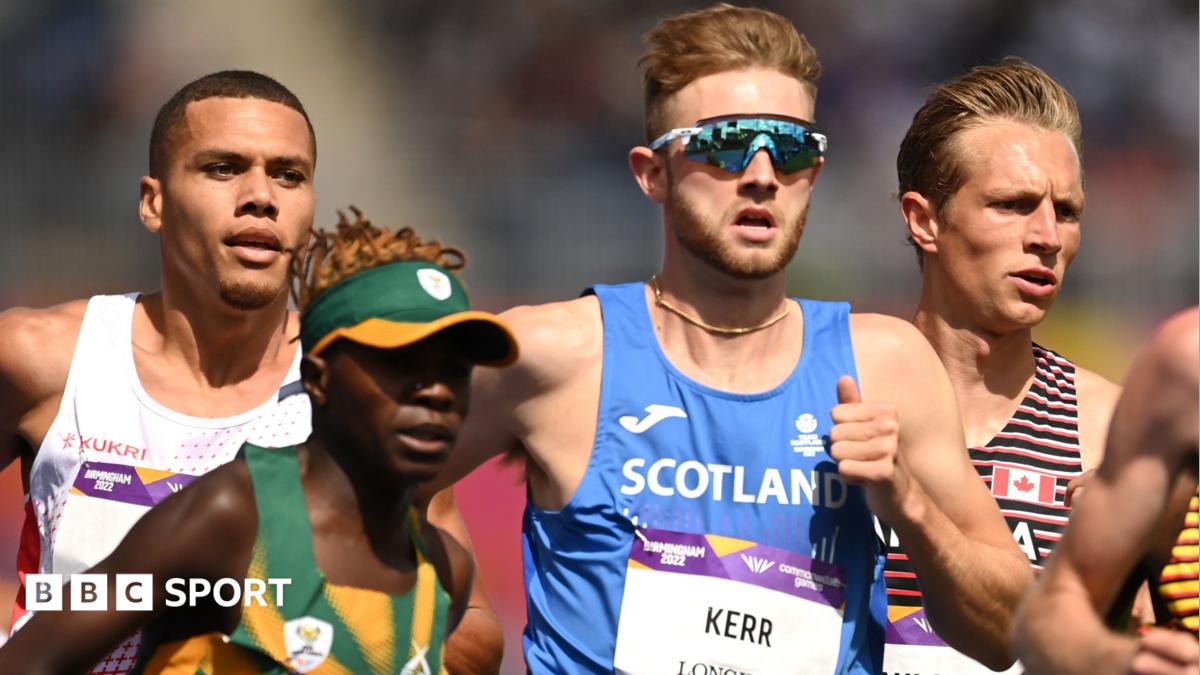
Josh Kerr’s latest comments are a reminder that not every elite athlete measures success in the same way. For the Scottish middle-distance runner, the emotional pull of the Commonwealth Games still appears to sit above the more abstract pursuit of records, even as his career has taken him far from home and into the highest ranks of global athletics.
Kerr said he did not grow up dreaming of becoming the fastest person ever to run a mile. Instead, his ambition was more personal and more rooted in identity: to pull on a Scotland vest and represent his country at the Commonwealth Games. That distinction matters. It frames his career not just as a story of times and medals, but as one of belonging, national pride and the value of competing for something larger than individual status.
Why Scotland still matters to Kerr
The quote also offers a useful window into the mindset of an athlete who has spent a long time living in the United States. Kerr acknowledged that distance, but stressed that his roots remain in Scotland. For supporters, that is the kind of statement that tends to resonate beyond the track. It reinforces the idea that international representation still carries emotional weight in an era when many athletes build their careers across borders and training bases far from home.
That sense of connection can be especially powerful in Commonwealth competition, where national identity is often more visible and more personal than in many other events. For Scottish fans, Kerr’s words will likely be read as a reaffirmation that he sees the vest as meaningful, not symbolic. In practical terms, that matters because athletes often talk about motivation in terms of performance goals, but Kerr is pointing to something deeper: pride, heritage and responsibility.
What it means for supporters
From a sporting perspective, Kerr’s mindset is relevant because emotional investment can sharpen focus in major championships. Athletes who feel a strong connection to the event they are entering often bring an extra layer of intensity, and that can be decisive in tactical races where positioning, patience and finishing speed all matter. While the source does not provide race details or upcoming competition information, the broader implication is clear: Kerr views Commonwealth representation as a genuine target, not a secondary obligation.
For News Goal readers, the key takeaway is that Kerr’s comments are about more than nostalgia. They underline how elite sport can still be driven by identity and loyalty, even for athletes who have built international careers away from home. In Kerr’s case, Scotland remains central to the story.
Source note: This article was prepared using publicly available information from BBC Sport and expanded with editorial context.
Share this content: