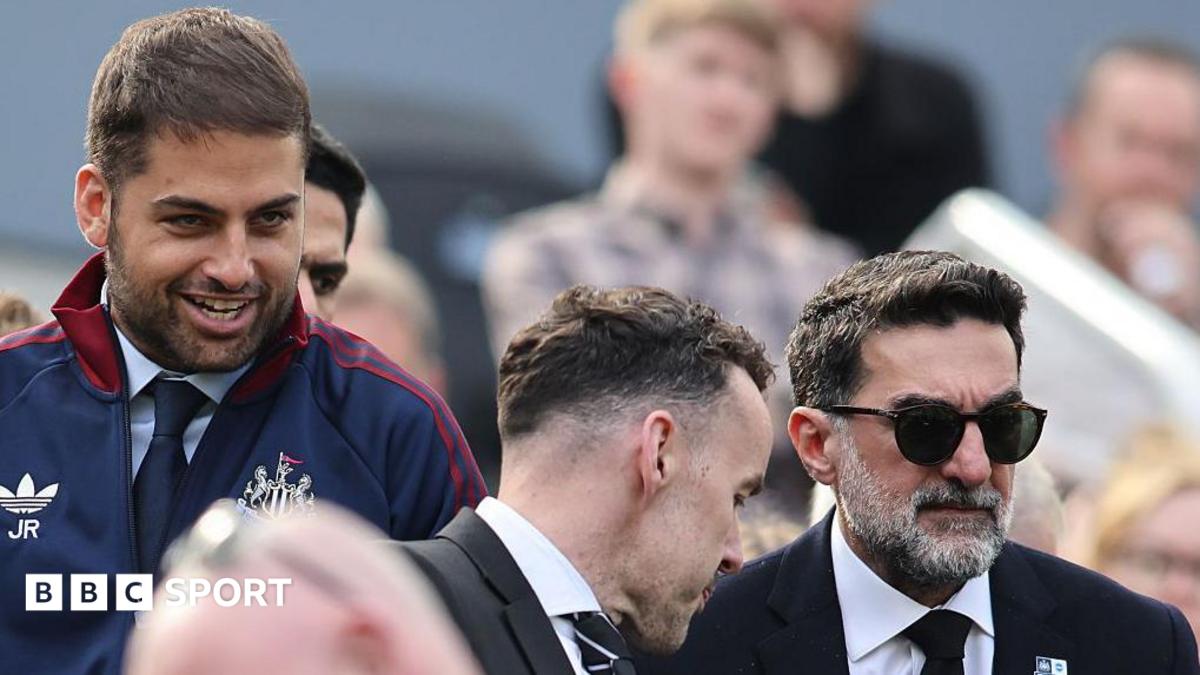
Newcastle United’s long-term project remains one of the most closely watched in English football, not just because of the scale of the ambition, but because the club is trying to turn a major financial and sporting reset into a sustained challenge at the top end of the game. BBC Sport’s latest look at the club asks a simple but important question: where are Newcastle in their bid to be the best by 2030?
The timing matters. Newcastle’s summer rebuild has already been shaped by missed targets, and that is significant because recruitment is the clearest indicator of whether a club’s strategic plan is moving forward or stalling. For supporters, that usually translates into a familiar mix of hope and frustration: hope that the club is still building toward something bigger, frustration that the pathway to elite status is rarely linear.
Why the 2030 target matters
Setting a 2030 benchmark creates accountability. It gives supporters a reference point and forces the club to measure progress in more than just short-term results. For a team like Newcastle, the challenge is not only to improve the first XI, but to build depth, consistency and a recruitment model capable of competing with clubs that have spent years operating at the top level.
That is why missed targets in the transfer market can have a wider impact than simply losing out on one player. They can affect squad balance, tactical flexibility and the speed at which a manager can implement a plan. In a league as competitive as the Premier League, those details often decide whether a club is pushing into the Champions League places or slipping back into the pack.
What it means for the rebuild
Newcastle’s rebuild is not just about signing names; it is about building a squad that can handle domestic and European demands while maintaining the intensity associated with the club’s recent rise. If the club cannot land priority targets, the knock-on effect is usually felt in the structure of the squad, where gaps can remain in key positions and the margin for error becomes smaller.
For Eddie Howe and the football operation around him, the issue is as much about process as it is about individual deals. A summer shaped by near-misses can still be productive, but only if the club responds with smart alternatives and avoids drifting away from the broader plan. That is where the 2030 ambition becomes more than a slogan: it becomes a test of whether Newcastle can keep moving forward even when the market does not cooperate.
For supporters, the key takeaway is that the project is still alive, but it is also under scrutiny. The club’s trajectory will be judged not only by what it says about the future, but by how quickly it can turn ambition into a squad capable of matching it.
Source note: This article was prepared using publicly available information from BBC Sport and expanded with editorial context.
Share this content: