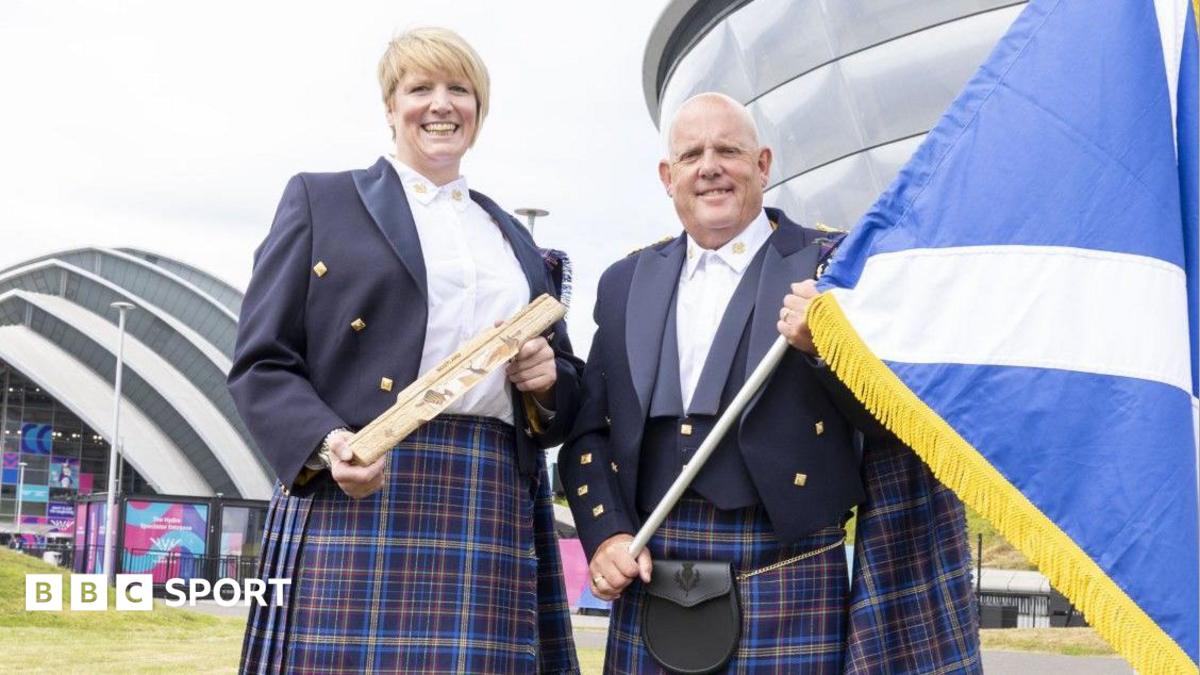
There is a special kind of pressure that comes with carrying a national flag. It is not tactical pressure, nor the pressure of a final end or a decisive shot, but the emotional weight of representing an entire team before a major event even begins. For Scotland, that honour has fallen to Alex Marshall and Adlington, and the reaction from Marshall suggests the moment has landed exactly as it should: with nerves, pride and a sense of occasion.
Marshall is no stranger to the Commonwealth Games stage. The bowler has already built up seven previous appearances, which gives his words added significance. When a veteran of that experience says he woke up nervous and expects to be even more anxious the next day, it tells you the flag-bearing role still carries real meaning. This is not a routine media moment. It is a symbolic job that can sharpen the emotional edge around a squad and remind supporters what the event represents.
A ceremonial role with real emotional weight
Marshall’s comments point to the human side of elite sport that often gets overlooked. The Games are usually discussed in terms of medals, selection and performance, but the flag honour is about identity and belonging. For Scotland, handing that responsibility to a proven competitor signals trust in experience and character as much as sporting achievement.
The reference to 2014 also matters. Marshall said that if the experience is even half as good as it was then, it will be amazing. That places the current honour in a wider personal and national context, suggesting this is not simply another appearance but a moment linked to memory, legacy and the emotional pull of representing Scotland on a major stage.
What it means for Scotland supporters
For supporters, the story offers a reminder that major tournaments are built on more than results. They are also shaped by the figures chosen to lead the team into competition. Marshall’s long Commonwealth Games history makes him a fitting face for that responsibility, while the nerves he described make the moment feel authentic rather than ceremonial for ceremony’s sake.
In practical terms, the flag honour does not change the scoreboard or the competition itself. But it can influence the mood around a squad, especially when a respected veteran is placed at the centre of the opening spectacle. For Scotland fans, that creates a sense of continuity: a familiar name, a big occasion and the possibility of another memorable campaign.
With Marshall openly admitting to sleepless anticipation, the message is clear. Scotland’s flag honour is not being treated lightly. It is being felt, and that emotional honesty may be exactly why it resonates beyond the ceremony itself.
Source note: This article was prepared using publicly available information from BBC Sport and expanded with editorial context.
Share this content: