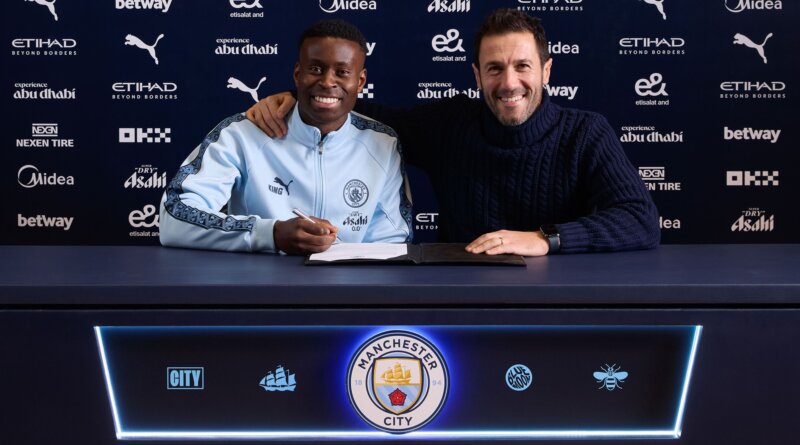
How Football Transfers Work: Behind the Scenes of Player Moves
Football transfers are one of the most exciting and complex aspects of the sport, captivating fans and shaping the destinies of clubs across the globe. From headline-grabbing signings to behind-the-scenes negotiations, understanding how football transfers work offers a fascinating glimpse into the business side of the beautiful game.
What Is a Football Transfer?
A football transfer is the process by which a player moves from one club to another, typically involving a financial transaction known as a transfer fee. This fee compensates the selling club for releasing the player from their contract. Transfer fees vary greatly and are influenced by the player’s quality, contract duration, commercial value, and potential future worth. Clubs invest heavily in scouting and negotiating to secure the best talent, making transfers a critical component of football strategy.
How Football Transfers Work: The Key Steps
The journey of a football transfer starts when a buying club expresses interest in a player. The first official step is to contact the selling club to discuss the possibility of a deal. If the selling club is open to negotiation, talks begin regarding the transfer fee and any additional clauses, such as sell-on percentages or performance bonuses.
Once clubs agree on a fee, the process shifts to the player and their representatives. The buying club must negotiate a new contract with the player, covering salary, bonuses, contract length, and other personal terms. Upon reaching agreement, the player undergoes a medical examination to ensure fitness, and final paperwork is submitted to the league and governing bodies for official approval.
The Role of Football Agents in Transfers
Football agents are instrumental in transfer processes. Acting on behalf of the player, agents handle contract negotiations and seek the best possible financial and sporting terms for their clients. A skilled agent combines legal expertise with negotiation prowess, often influencing the outcome of high-stakes moves. Renowned agents like Jorge Mendes and the late Mino Raiola have become celebrities in their own right for brokering some of the sport’s biggest deals. Agents typically receive a percentage of the player’s salary and may also earn bonuses linked to the transfer.
Transfer Windows: When Can Deals Happen?
Football transfers are regulated by designated periods known as transfer windows. Most football associations operate a summer window, usually before the season starts, and a winter window, typically at the season’s midpoint. Only during these windows can players be officially registered with new clubs, though negotiations often take place year-round. This system ensures a degree of competitive balance and allows clubs to plan their squads strategically.
Special Types of Transfers: Free Transfers and Transfer Requests
Not all football transfers involve massive fees. A free transfer occurs when a player’s contract expires, allowing them to join another club without a transfer fee. Under the Bosman ruling, players can negotiate with other clubs when they have six months or less remaining on their contract, dramatically shifting the power balance toward players and their agents.
A transfer request is another important aspect of how football transfers work. When a player wishes to leave their club, especially if repeated bids have been rejected, they may submit a formal transfer request. This move is often made public and signals the player’s desire for a new challenge, putting pressure on their club to facilitate a move.
Understanding ‘Tapping Up’ in Football Transfers
One controversial aspect of football transfers is ‘tapping up’, which refers to clubs or agents approaching players under contract with another club without permission. While strictly prohibited by football authorities, tapping up remains a common, albeit discreet, part of the transfer landscape. Clubs found guilty of such practices can face fines or transfer bans, but enforcement remains a challenge due to the secretive nature of negotiations.
Why Football Transfers Matter?
Football transfers not only shape the competitive landscape but also have significant commercial implications. Star signings boost ticket sales, merchandise revenue, and global branding. Conversely, losing key players can disrupt team cohesion and fan morale. The ever-evolving transfer market requires clubs to balance ambition with financial prudence, navigating complex rules and fierce competition.
Opinion: The Intrigue and Impact of Transfers
In my view, the intricate world of football transfers adds a unique layer of drama and excitement to the sport. The blend of negotiation, opportunity, and risk keeps fans engrossed even during the off-season. While financial powerhouses often dominate the market, smart deals and strategic planning can still enable smaller clubs to punch above their weight. As the game evolves, transparency and fair play will be crucial in ensuring football transfers continue to benefit clubs, players, and supporters alike.
For more updates and insights on football’s biggest moves, visit for more news.
Your global gateway to nonstop football coverage:
News Goal
Share this content: