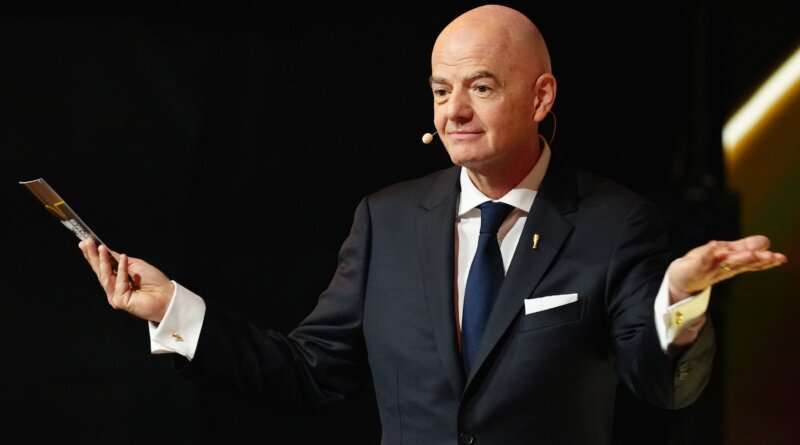
Infantino Urges End to Russia Football Ban Amid Backlash
Russia football ban has become a central issue after FIFA president Gianni Infantino called for its immediate lifting, igniting heated debate across the football world and beyond.
Infantino’s Stance on Russia Football Ban
FIFA president Gianni Infantino has unequivocally stated that Russia’s ban from international football, imposed after the country’s invasion of Ukraine in 2022, should “definitely” be lifted. In a forthright interview with Sky News, Infantino argued that the ongoing isolation of Russian teams has not helped resolve geopolitical tensions and instead, “created more frustration and hatred.” He believes that excluding Russia from global football contradicts FIFA’s mission of promoting unity through sport.
Infantino went a step further, advocating for a permanent rule change within FIFA’s statutes. He proposed that no country should face a football ban due to the actions of their government. “Sport must not be held hostage by political decisions,” Infantino insisted, emphasizing the importance of maintaining open sporting ties even during political crises. He suggested that allowing Russian children to play football internationally could help rebuild bridges and foster understanding.
Controversy and Opposition: Ukraine’s Response
Infantino’s remarks quickly drew strong criticism, particularly from Ukrainian officials. Matvii Bidnyi, Ukraine’s sports minister, labeled the FIFA chief’s comments as “irresponsible” and “infantile,” highlighting the ongoing suffering and loss of life in Ukraine. The Ukrainian Football Association, along with other European football bodies, reiterated their stance against any reintegration of Russian teams while the conflict persists.
European Resistance to Lifting the Ban
Resistance to lifting the Russia football ban extends across Europe. Major nations such as England, Poland, Sweden, and Ukraine have declared they would refuse to play against Russian teams if the ban were lifted, making any practical implementation virtually impossible. Previous attempts to re-admit Russia at the Under-17 level failed after widespread boycott threats, demonstrating the complexity of the issue.
Currently, there are no concrete plans for the FIFA Council to vote on reinstating Russia. The topic remains highly contentious, with UEFA members and fan groups voicing strong opposition. Many see the ban as a necessary response to Russia’s ongoing military actions.
Infantino’s Position on Other Football Bans
Infantino also addressed the topic of bans on other countries, including Israel. He maintained that football should remain separate from political conflicts and opposed moves to exclude any nation from the sport for political reasons. This broader stance is consistent with his calls to keep Russia part of the football community.
Defending the Trump ‘Peace Prize’
In the same interview, Infantino defended his controversial decision to award former U.S. President Donald Trump a “FIFA Peace Prize” during the 2026 World Cup draw. The award, which faced widespread skepticism, was criticized by many as a public relations gesture. Infantino, however, insisted that Trump’s efforts in resolving conflicts merited recognition, citing support from Nobel laureate Maria Corina Machado.
He dismissed calls for a boycott of the 2026 World Cup in North America due to Trump’s immigration policies, noting that commercial sponsors have not withdrawn their support. Infantino argued that political boycotts should not dictate the direction of global football.
Apology to British Fans After World Cup Remark
Infantino also took the opportunity to address British supporters, following criticism over a joke he made about British fans at the Qatar 2022 World Cup. The joke—about no British fans being arrested during the tournament—was labeled as insensitive by the Football Supporters’ Association, who accused Infantino of perpetuating outdated stereotypes. Infantino apologized, clarifying that his comment was meant to be light-hearted and not a slight against British fans. He went on to commend English authorities and fans for their ongoing efforts to curb football violence.
What’s Next for the Russia Football Ban?
While Infantino has made his position clear, the reality is that lifting the Russia football ban remains highly unlikely in the near future. The climate within UEFA and among many FIFA members is one of caution and resistance. As the global football community navigates these turbulent times, the debate over the intersection of politics and sport continues to intensify.
For more news and detailed coverage on global football developments, visit for more news.
Opinion: Navigating the Complexities of Football and Politics
Infantino’s call to lift the Russia football ban raises important questions about the role of sport in an increasingly polarized world. While the intention to use football as a force for unity is admirable, ignoring the broader context of conflict risks undermining the sport’s credibility and the values it stands for. Navigating the balance between inclusivity and accountability remains a challenge for FIFA and the entire football community.
Your global gateway to nonstop football coverage:
News Goal
Share this content: