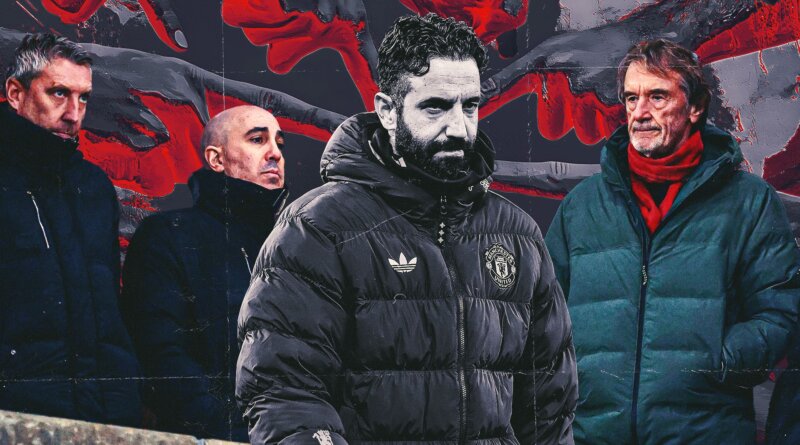
Ruben Amorim’s Manchester United Exit: Where It All Went Wrong
Ruben Amorim’s Manchester United tenure ended in disappointment, with the Portuguese manager’s own decisions and stubborn philosophy ultimately sealing his fate at Old Trafford.
Ruben Amorim’s Approach Under Scrutiny
Ruben Amorim arrived at Manchester United with high hopes, but results quickly began to slide. Despite backing from the board and significant investment in the squad, Amorim’s commitment to his 3-4-2-1 formation became a major talking point. He rarely deviated from his preferred shape, even when performances and results suggested a tactical rethink was needed. This rigid approach frustrated not just supporters, but also members of the club hierarchy, particularly sporting director Jason Wilcox, who reportedly urged a more flexible style to halt United’s decline.
Fractured Relationships and a Tense Atmosphere
The cracks became public in a tense press conference following a disappointing draw at Leeds. When pressed about his relationship with the board, Amorim spoke candidly about feeling undermined and insisted he was meant to be the “manager, not just the coach.” His comments, delivered with visible frustration, cast doubt on his future and seemed almost a precursor to his dismissal less than a day later. While Amorim often clashed with pundits like Jamie Carragher and United legends such as Wayne Rooney and Gary Neville, the support of the board had appeared to be unwavering until his public outburst.
Manchester United’s Historic Low Under Amorim
On the pitch, the statistics were damning. In 14 months, Amorim managed just 24 wins from 63 games—a win percentage of 38.7%, the worst for any United manager since the 1970s. United finished their lowest in the league for 51 years and missed out on European football for the first time in over a decade, including a Europa League final loss to Tottenham. The board had backed Amorim in the transfer market, spending £216 million on additions like Matheus Cunha, Bryan Mbeumo, Senne Lammens, and record-signing Benjamin Sesko. Yet, the new arrivals failed to turn United’s fortunes around.
The Cost of Stubbornness: No Progress or Evolution
Despite being given time and resources, Amorim’s refusal to adjust tactics held the team back. Sources inside the club noted a lack of progress both in results and style of play. The Portuguese coach also struggled to foster positive relationships within the squad. Notably, he marginalized academy talents such as Marcus Rashford and Alejandro Garnacho, while barely playing Kobbie Mainoo—decisions that angered a fanbase proud of its youth tradition. Amorim’s public criticism of players further eroded morale, with Christian Eriksen later admitting that such comments only added to the pressure inside the dressing room.
Home Woes and Missed Opportunities
United’s form at Old Trafford was particularly disappointing. In their last five home games, they secured only six points, slumping to draws against Wolves, West Ham, and Bournemouth, and suffering a defeat to ten-man Everton. Even their sole win over Newcastle was somewhat fortunate. As United languished sixth in the Premier League without the distraction of European football, expectations of a domestic resurgence were unmet.
Ruben Amorim’s Manchester United Spell Ends Abruptly
Amorim’s downfall was not a result of club politics or lack of support, but rather a failure to adapt and deliver results. The board had demonstrated patience, resisting the urge to make a change even after painful defeats such as the loss to Brentford and the Europa League final defeat to Tottenham. However, once Amorim publicly criticized the very people who had supported him, his position became untenable.
Opinion: Lessons for Manchester United and Ruben Amorim
Ruben Amorim’s exit from Manchester United serves as a cautionary tale for both managers and clubs. While having a tactical identity is crucial, flexibility and adaptability are equally important in the Premier League. Amorim’s reluctance to evolve his approach and his failure to nurture young talent ultimately outweighed the significant backing he received. For Manchester United, the next managerial appointment must prioritize both footballing philosophy and the ability to unite the squad and fanbase. For more news, visit for more news.
Your global gateway to nonstop football coverage:
News Goal
Share this content: