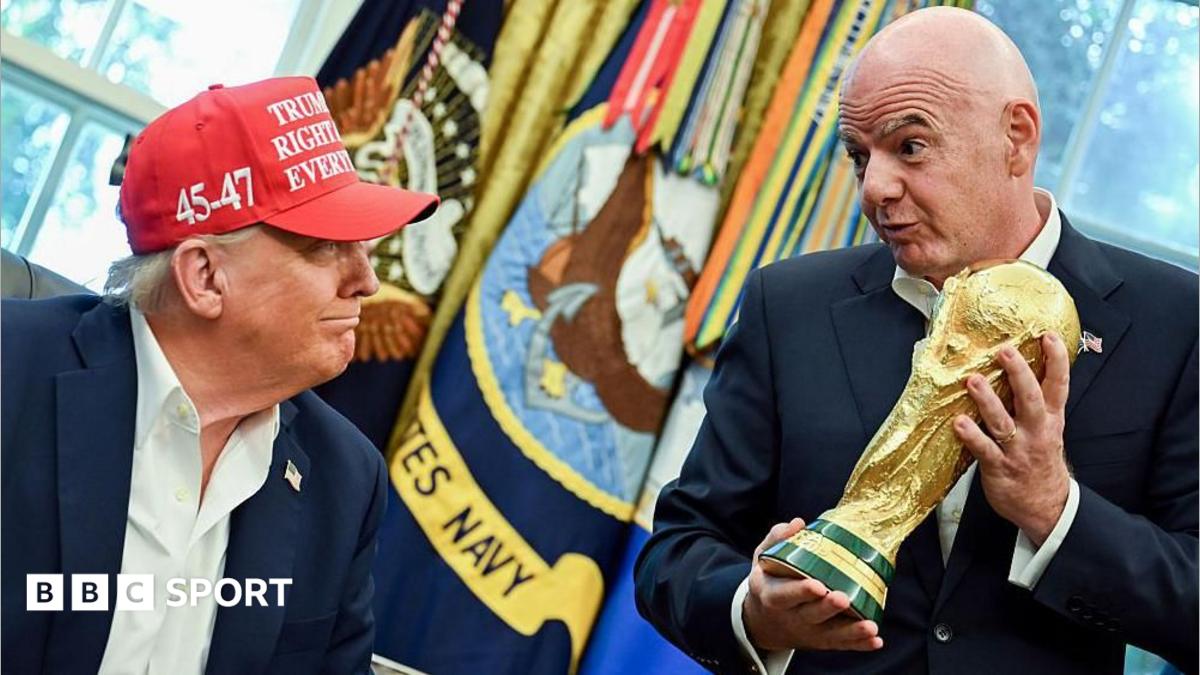
FIFA president Gianni Infantino has described the World Cup as “Simply the greatest event that humanity, that mankind, has ever seen”. Yet as the tournament continues to grow in size, scale and political significance, questions are being raised about what that expansion means for the competition itself.
The World Cup has long been football’s most powerful global stage, but the move towards a larger, more complex event has brought fresh concerns. More teams, more matches and more host nations can increase reach and commercial value, but they can also place greater strain on players, organisers and supporters. The result is a tournament that is bigger than ever, but not necessarily better for everyone involved.
The price of expansion
One of the main issues surrounding the super-sized World Cup is the burden it places on the football calendar. A larger tournament means more games and more travel, which can add to player workload at a time when elite football is already packed with domestic and continental fixtures. That raises obvious questions about fatigue, recovery and the quality of the football on show.
There is also the matter of competitive balance. Expanding the tournament gives more nations the chance to qualify, which is positive in terms of inclusion and global representation. But it can also create a wider gap between the strongest teams and those still developing at international level, leading to more uneven matches in the early stages.
Politics and football on the world stage
The World Cup has never existed in isolation from politics, and its growing scale has only made that relationship more visible. Hosting rights, global influence and the symbolism of the tournament all carry political weight. As the event becomes more ambitious, it also becomes more closely tied to the interests of governments, federations and commercial partners.
That can create tension between football’s sporting purpose and the wider forces surrounding it. For supporters, the appeal of the World Cup has always been its ability to unite different countries and cultures through the game. But when politics and expansion dominate the conversation, there is a risk that the football itself becomes secondary.
What the World Cup should protect
The challenge for FIFA is to preserve what makes the World Cup special while adapting it for a modern global audience. Growth may bring opportunity, but it also comes with costs that cannot be ignored. The tournament’s prestige depends not only on its scale, but on the quality, fairness and meaning of the competition.
As the World Cup continues to evolve, the debate is no longer just about how large it can become. It is about what football is willing to sacrifice in order to make it bigger.
Your global gateway to nonstop football coverage:
News Goal
Share this content: